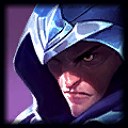
 Talon T3
 - เทียร์
- T3
- อันดับ
- #86
- อัตราชนะ
- 49.81%
- อัตราเลือก
- 0.44%
Talon ถูกจัดอยู่ในระดับ T3 ตามข้อมูล ARAM Mayhem ปัจจุบัน ดูไกด์แชมเปี้ยน
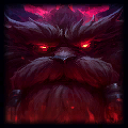
Ornn ถูกจัดอยู่ในระดับ T3 ตามข้อมูล ARAM Mayhem ปัจจุบัน
Ornn The Fire below the Mountain
He is both, but he works best when you treat engage as a resource instead of a habit. If your team has follow-up damage ready, start fights with crowd control and walk forward to force space; if they are clearing waves or poking, hold your cooldowns and body-block instead. The tradeoff is that a missed engage leaves Ornn standing in enemy range with fewer ways to stop a counterattack.
Pick Ornn when your team needs a durable champion who can start fights, peel divers, and create reliable clumps for area damage. If your comp already has multiple melee champions and no sustained damage behind you, he becomes harder to use because enemies can kite the whole team at once. In that case, play slower and use Ornn as a peel wall rather than the first body in every fight.
Start measured, not passive. If the enemy team has low early damage or short range, walk up with your wave and threaten a trade; if they have heavy poke, wait for minions, terrain, or allied crowd control before committing. The tradeoff is tempo: playing too safe gives up brush and health relic space, but forcing too early feeds Mayhem snowball pressure.
Your job is to decide where the fight happens. If enemies step into a narrow lane section or bunch near terrain, start the fight and pin them there; if an assassin jumps your carry first, turn around and peel instead. Ornn loses value when he chases too far past his damage dealers, because his control means less if nobody can hit the target.
Snowball is strong when you need a clean way to enter fights without walking through poke. If it lands on a carry or a grouped frontline, take it only when your team can move with you; otherwise, let it expire and keep your position. The tradeoff is that Snowball can solve range problems, but it can also drag you into five enemies before your crowd control chain is ready.
Use it when the enemy team is forced to move in a predictable line, such as during a retreat, a push, or a fight around a narrow choke. If you cast it too early from maximum distance, good players will spread or sidestep, so look for slowed, distracted, or already-engaged targets. The tradeoff is patience: holding it can win the fight, but holding it forever lets your team get poked out.
Peel when your carry is the only real damage source or when the enemy has divers waiting for you to leave. Stand close enough that your knockups, slows, and body position punish the first champion who jumps in. The tradeoff is that you may give up the flashy initiation, but stopping a reset champion or bruiser dive often wins more fights than starting one deep.
Look for augments that help him survive the first burst, reach targets, or reward extended brawls. If an augment only adds damage but does not help you connect or stay alive, take it only when your team already has enough frontline and you can afford to play for threat. The tradeoff is simple: tankier choices make your engages safer, while greedier choices punish mistakes harder but also get punished harder.
Usually he wants durability first, because his control matters only if he lives long enough to use it twice in a fight. If your team has no damage and the enemy cannot quickly kill you, adding some threat can make your engages matter more. The tradeoff is that every damage-leaning choice makes you less reliable as the first champion taking cooldowns.
Stand slightly ahead of your carries, not a full screen away from them. If enemies have hooks or long poke, use minions and side angles so you threaten engage without eating every skillshot for free. The tradeoff is space versus health: taking ground is good, but losing half your health before the fight makes even a perfect engage risky.
Ornn struggles into teams that can kite backward, disengage repeatedly, or shred tanks while staying spread out. Against those comps, stop chasing the backline every fight and instead punish whoever oversteps to deal damage. The tradeoff is slower fights, but forcing enemies to walk into you is better than spending the whole round running after them.
He punishes short-range teams, melee-heavy comps, and groups that must walk through the same narrow space to fight. If they clump, use your crowd control to start a chain and let your team unload damage before they can reset spacing. The tradeoff is that these fights can still turn if you dive past your carries, so keep the enemy trapped in your team’s range instead of behind it.
Back out toward your team and switch to peel immediately. If your engage misses or the enemy survives the first burst, do not keep walking forward just because you started the fight; use your remaining control to slow the counter-engage and protect low-health allies. The tradeoff is giving up pressure, but saving two teammates is better than turning one mistake into a full wipe.
Follow the first controlled target, not the deepest target on the screen. If Ornn starts a fight and enemies are knocked up, slowed, or trapped in a tight angle, damage that cluster quickly before they spread. The tradeoff for teammates is positioning: stepping forward helps finish the engage, but walking past Ornn can expose you to the counter-dive he was supposed to block.
The biggest mistake is engaging just because the button is available. If your team is low, split, reloading cooldowns, or stuck behind the wave, wait and threaten instead of forcing. The tradeoff is that Ornn can look inactive while holding space, but a patient Ornn creates better fights than one who starts every fight on cooldown.
แชมเปี้ยน / เทียร์
Talon T3 Talon ถูกจัดอยู่ในระดับ T3 ตามข้อมูล ARAM Mayhem ปัจจุบัน ดูไกด์แชมเปี้ยน
 Alistar T3
 Alistar ถูกจัดอยู่ในระดับ T3 ตามข้อมูล ARAM Mayhem ปัจจุบัน ดูไกด์แชมเปี้ยน
 Illaoi T3
 Illaoi ถูกจัดอยู่ในระดับ T3 ตามข้อมูล ARAM Mayhem ปัจจุบัน ดูไกด์แชมเปี้ยน
 Zilean T3
 Zilean ถูกจัดอยู่ในระดับ T3 ตามข้อมูล ARAM Mayhem ปัจจุบัน ดูไกด์แชมเปี้ยน
 Olaf T3
 Olaf ถูกจัดอยู่ในระดับ T3 ตามข้อมูล ARAM Mayhem ปัจจุบัน ดูไกด์แชมเปี้ยน
 Mordekaiser T4
 Mordekaiser ถูกจัดอยู่ในระดับ T4 ตามข้อมูล ARAM Mayhem ปัจจุบัน ดูไกด์แชมเปี้ยน
 Diana T3
 Diana ถูกจัดอยู่ในระดับ T3 ตามข้อมูล ARAM Mayhem ปัจจุบัน ดูไกด์แชมเปี้ยน
 Rengar T4
 Rengar ถูกจัดอยู่ในระดับ T4 ตามข้อมูล ARAM Mayhem ปัจจุบัน ดูไกด์แชมเปี้ยน
 Ambessa T3
 Ambessa ถูกจัดอยู่ในระดับ T3 ตามข้อมูล ARAM Mayhem ปัจจุบัน ดูไกด์แชมเปี้ยน
 Gangplank T3
 Gangplank ถูกจัดอยู่ในระดับ T3 ตามข้อมูล ARAM Mayhem ปัจจุบัน ดูไกด์แชมเปี้ยน