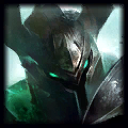
 Mordekaiser T4
 - Tier
- T4
- Rang
- #91
- Taux de victoire
- 48.50%
- Taux de sélection
- 0.68%
Mordekaiser est actuellement classé T4 dans les données ARAM Mayhem. Voir le guide du champion
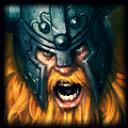
Olaf est actuellement classé T3 dans les données ARAM Mayhem.
Olaf the Berserker
Olaf is both, but only if he gets to keep fighting. When your team has follow-up damage, start fights by walking with axes and force enemies to spend crowd control on you; if they cannot kite you after that, you become the carry. The tradeoff is that Olaf offers little protection for teammates, so a bad engage can leave your backline exposed.
Go in when an enemy carry steps past their frontline, misses a key peel spell, or gets tagged by your axe. Use Snowball or a flank angle if you need to cross open space, because running straight through poke usually costs too much health. If the enemy still has multiple slows, knockbacks, or disengage tools ready, wait and keep throwing axes until they waste something.
Use it to break through the moment the enemy commits crowd control, not just because you feel like fighting. If you activate it too early, opponents can back away and let your window lose value; if you hold it too long, you may get chained before reaching the target. The best use is often after you have already drawn attention and know which carry you can actually stick to.
Focus the closest high-value target you can keep hitting, not always the squishiest champion on the screen. If the enemy carry is protected by traps, walls, or heavy peel, cut through their frontline first and use your sustained damage to win the brawl. Chasing too deep for a low-health target is the classic Olaf throw, because he has trouble leaving once the fight turns.
Very important, because axes are how Olaf starts, sticks, and forces movement. Throw them through the path the enemy wants to take, then step forward to threaten another cast if it is safe to retrieve. The tradeoff is positioning: grabbing every axe can pull you into burst range, so skip the pickup if it would cost more health than the slow is worth.
Build enough damage to punish targets that let you reach them, then add durability if the enemy team can burst or kite you. Full damage works when your team already has engage and the enemy lacks reliable disengage; tankier builds are better when you must be the first body in. The tradeoff is simple: damage Olaf ends fights faster, but durable Olaf gets more chances to actually fight.
Olaf wants augments that reward extended combat, sticking power, healing, durability, or repeated ability use. If an augment helps you stay on a target after the first engage, it usually fits his game plan better than a pure poke or backline-scaling option. The tradeoff is that greedy damage augments feel amazing when ahead, but defensive or movement-focused choices are often what let you reach the fight at all.
Yes, Snowball is one of Olaf’s cleanest ways to solve the gap-closing problem. Use it after the enemy wastes a dodge or movement spell, then decide whether the second cast is safe before you commit. If you take every Snowball blindly, you will land in five players with no exit and give the enemy the fight they wanted.
Do not walk up just to trade one axe for half your health bar. Sit behind minions or terrain, farm safely with axes, and look for a hard engage when the poke champions step forward or split their damage. The tradeoff is patience: Olaf feels useless while waiting, but one good all-in can erase several minutes of poke pressure.
Track the spells that actually stop your approach, then use your ultimate when those tools are about to hit or after they have been forced out. If the enemy stacks crowd control from long range, let a teammate or minion wave absorb the first layer before you run in. You can ignore a lot during your engage, but you still lose if you spend your power window hitting a tank while the carries walk away.
Stop forcing solo dives and play around cleanup instead. Throw axes to slow enemies for your team, threaten low-health targets after cooldowns are spent, and build more durability if you are dying before dealing damage. The tradeoff is that you give up some carry pressure, but you stay useful instead of donating another death.
Olaf becomes much scarier when an ally can speed him up, shield him, or keep him alive during the first burst. If you have that support, call the fight with your movement and force the enemy to choose between peeling you or being run down. The tradeoff is dependency: if you engage outside your support’s range, you waste the exact tools that make Olaf hard to stop.
Olaf likes teams that can follow his all-in with damage, speed, or secondary engage. Champions that punish grouped enemies make his dives better, because opponents have to scatter instead of focusing him freely. He struggles more when his team is all poke and no commitment, since he may go in alone while everyone else is still standing back.
Olaf hates clean disengage, terrain control, long-range kiting, and teams that can reset the fight after he commits. If enemies can knock him away, slow his approach before his ultimate matters, or punish him after his window ends, he has to be much more selective. The answer is not to never engage; it is to wait for the peel spell, dodge it or absorb it with intent, then choose the target that cannot escape next.
The biggest mistake is treating Olaf like he is unkillable just because he wants to fight. You still need a target, a path, and enough team pressure behind you to stop enemies from freely kiting backward. If those pieces are missing, throw axes, hold space, and wait for the enemy to step into a fight you can actually finish.
Champions / Tier
Mordekaiser T4 Mordekaiser est actuellement classé T4 dans les données ARAM Mayhem. Voir le guide du champion
 Diana T3
 Diana est actuellement classé T3 dans les données ARAM Mayhem. Voir le guide du champion
 Rengar T4
 Rengar est actuellement classé T4 dans les données ARAM Mayhem. Voir le guide du champion
 Ambessa T3
 Ambessa est actuellement classé T3 dans les données ARAM Mayhem. Voir le guide du champion
 Gangplank T3
 Gangplank est actuellement classé T3 dans les données ARAM Mayhem. Voir le guide du champion
 Gragas T3
 Gragas est actuellement classé T3 dans les données ARAM Mayhem. Voir le guide du champion
 Miss Fortune T3
 Miss Fortune est actuellement classé T3 dans les données ARAM Mayhem. Voir le guide du champion
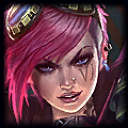 Vi T3
Vi T3 Vi est actuellement classé T3 dans les données ARAM Mayhem. Voir le guide du champion
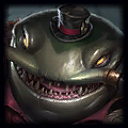 Tahm Kench T3
 Tahm Kench est actuellement classé T3 dans les données ARAM Mayhem. Voir le guide du champion
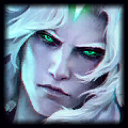 Viego T3
 Viego est actuellement classé T3 dans les données ARAM Mayhem. Voir le guide du champion