Mistake Guide
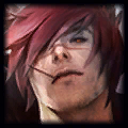
Seraphine wins Mayhem fights by layering poke, shields, crowd control, and a fight-breaking ultimate from safe spacing. Most bad Seraphine games come from trying to play like a burst mage or saving every spell for a perfect moment. You are at your best when you keep the wave playable, protect the carry line, and punish enemies after they commit.
Mechanical Mistakes
- Wrong action: Casting your double-cast passive spell on whatever is available, especially a random poke spell into tanks.
Direct consequence: You lose your best empowered cast before the real fight starts, so your shield, catch, or finisher is weaker when enemies dive.
Correct action: Decide what the next fight needs before spending the echo. Use empowered damage when enemies are already low or clumped, empowered control when your team can follow, and empowered shield when the enemy engage is about to land.
Recovery: If you waste it, stop fishing for a hero play. Back up, farm safe notes and spell cycles, and play the next few seconds as a peel bot until the passive is ready again. - Wrong action: Throwing your crowd control straight down the lane with no setup.
Direct consequence: Mobile champions sidestep it, tanks absorb it, and you have no answer when the real engage comes through Snowball, dash, or flash-like movement.
Correct action: Aim it after an ally slow, knockup, trap, or body block forces the enemy path. If the enemy has to walk through a choke near minions or turret space, cast where they must go, not where they are standing.
Recovery: When you miss, instantly reposition behind your frontline and hold your shield. Do not step forward to “make up” the missed spell; that is when assassins punish you. - Wrong action: Using your shield and heal only after teammates are already split or dead.
Direct consequence: The spell lands on too few allies, the speed arrives too late to dodge, and your team loses the short window where Seraphine can turn burst into a counter-engage.
Correct action: Cast it as the enemy engage begins, not after the damage is finished. If multiple allies are grouped and a diver is entering, shielding early is often stronger than waiting for a prettier heal.
Recovery: If you cast late, call the fight off with your movement. Kite backward, use control to slow the chase, and let the shield cycle return before contesting space again. - Wrong action: Ulting the first target you see from max range with no ally or enemy line to extend through.
Direct consequence: The ultimate hits one low-value target or misses entirely, and the enemy team can walk at you while your biggest fight tool is gone.
Correct action: Look for lines through champions. Cast when enemies are stacked behind a tank, chasing through the lane, or locked in place by allied engage. A shorter, guaranteed multi-target cast is better than a flashy max-range miss.
Recovery: If the ultimate whiffs, immediately switch to disengage. Save the next control spell for the enemy’s counter-engage and stop your team from overcommitting into a fight you can no longer start cleanly. - Wrong action: Standing still while weaving passive notes and poke.
Direct consequence: You become an easy Snowball target, and Mayhem fights punish immobile backliners fast because threats can chain movement and crowd control from unexpected angles.
Correct action: Auto only when the enemy cannot punish the animation. Step between every spell, hug the side of your team that has peel, and keep minions or tanks between you and direct engage tools.
Recovery: If you get tagged, do not panic-cast everything forward. Shield for speed, move behind the nearest ally, and use your control spell on the diver’s landing path. - Wrong action: Clearing the wave with all spells right before the enemy team groups to engage.
Direct consequence: You have no shield, no control, and no threat when the wave dies, so your team gets forced off space despite having pushed.
Correct action: Use one spell to help clear and hold at least one defensive button when enemy engage champions are visible and healthy. Seraphine does not need to last-hit every minion if a fight is about to start.
Recovery: If you are empty after clearing, ping your movement by backing away from the wave. Let the enemy take a few steps of space rather than fighting with no rotation ready. - Wrong action: Casting damage spells into the enemy frontline while ignoring low-health targets behind them.
Direct consequence: Tanks soak your pressure, enemy carries stay comfortable, and your team lacks the finishing damage Seraphine can add from range.
Correct action: Angle poke around the frontline when carries are already chipped or forced into predictable movement. Seraphine’s damage is much scarier when it lands on targets who cannot afford another hit.
Recovery: If you spent your damage on the wrong target, stop chasing numbers. Use the next cast to zone the carry’s escape path or protect your teammate who is stepping forward to finish.
Decision Mistakes
- Wrong action: Drafting or building like you are the only damage source when your team already has poke and lacks protection.
Direct consequence: Your backline becomes fragile, divers reach your carries, and your damage build does not matter because nobody survives long enough to use the poke advantage.
Correct action: Read the team before locking your plan. If you have hypercarries or immobile mages, lean into shielding, control, and reliable uptime. If your team lacks magic pressure and has enough peel, then a more damage-focused plan makes sense.
Recovery: If you chose the wrong direction, adapt your next purchases and augment choices toward the missing job. Add survivability and utility when your team is dying first; add damage only when your team can already hold the line. - Wrong action: Walking past your frontline to poke because Seraphine feels safe at long range.
Direct consequence: You give assassins and bruisers a clean angle, and one crowd control chain can remove your shield and ultimate from the entire fight.
Correct action: Let tanks and durable allies create the first screen. Stand close enough to shield multiple teammates but far enough that enemy engage must pass through your team to reach you.
Recovery: If you overstep, retreat diagonally toward allies instead of straight backward into isolation. Use speed and control to reconnect with your team, then stop casting until you are safe again. - Wrong action: Saving ultimate forever for a dream five-player hit.
Direct consequence: Your team loses winnable skirmishes because the best available engage or peel tool never gets used.
Correct action: Use ultimate when it wins the current fight: catching two carries, stopping a diver from killing your marksman, or extending through a frontliner into the enemy backline. Perfect is nice. Fight-winning is better.
Recovery: If you held it too long and an ally dies, do not force the late ult into a lost fight. Use it only if it guarantees an escape or a shutdown; otherwise reset the formation and keep it for the next wave fight. - Wrong action: Using Snowball aggressively just because it landed.
Direct consequence: Seraphine lands in melee range without the durability to survive, and your team loses its main enchanter-mage for a low-value trade.
Correct action: Treat Snowball as a repositioning or follow-up tool, not a default engage button. Take it only when the target is already controlled, isolated, or guaranteed to die before their team can punish you.
Recovery: If you take a bad Snowball, cast shield immediately, move through your team if possible, and use ultimate or control defensively. Your goal changes from killing to surviving the mistake. - Wrong action: Grouping too tightly into enemy area damage because your shield is stronger on multiple allies.
Direct consequence: The enemy gets easy multi-target damage and crowd control, and your shield cannot offset a full combo landing on everyone.
Correct action: Group loosely. Stay close enough for shield value, but keep slight spacing so one engage spell does not catch the whole team. Against heavy wombo combos, your formation matters more than squeezing one extra ally into the shield.
Recovery: If your team gets clumped and hit, do not all retreat in the same line. Shield, fan out, and use your control spell to slow the enemy’s chase through the narrowest path. - Wrong action: Fighting before checking whether your main peel tools are available.
Direct consequence: You enter a Mayhem skirmish with only poke, then get run over when the enemy commits with mobility and crowd control.
Correct action: Before stepping forward, ask what you can do if a diver lands on your carry right now. If the answer is “nothing,” play behind the wave and wait a spell cycle.
Recovery: If the fight starts while you are missing key tools, kite first and damage second. Buy time with movement, body positioning, and any remaining slow or shield rather than trying to burst your way out. - Wrong action: Ignoring enemy cleanse, spell shield, untargetability, or unstoppable engage patterns when planning your ultimate.
Direct consequence: Your best cast gets blocked, dodged, or wasted into a target that was never going to be stopped, and the enemy backline remains free.
Correct action: Track who can deny your engage. Bait defensive tools with smaller spells, wait for an ally to force them out, then cast ultimate when the enemy has fewer clean answers.
Recovery: If your ult gets denied, mark that cooldown mentally and play the next fight slower. Use regular control and shields to survive until the enemy’s protection is down or your ultimate returns. - Wrong action: Chasing low-health enemies past the minion wave after a won trade.
Direct consequence: You leave your safe zone, lose shield coverage on allies, and give the enemy a counter-engage angle onto a squishy champion with important cooldowns down.
Correct action: Let long-range spells and teammates finish unless the kill is guaranteed and your team is moving with you. Seraphine gains more from holding lane control than from dying for a risky cleanup.
Recovery: If the chase turns bad, abandon the kill immediately. Shield for movement, throw control behind you, and retreat toward your team instead of trying one more spell for the highlight.
The clean Seraphine habit is simple: spend spells with a purpose. If a cast does not poke a valuable target, protect multiple allies, set up crowd control, or stop an engage, hold it for a better window. Mayhem rewards fast reactions, but Seraphine rewards calm ones.