Mayhem vs Normal ARAM: Akshan
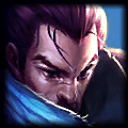
Akshan changes more than he looks. In normal ARAM, he is often a skirmishing marksman who waits for messy fights, pokes with Q, cleans low targets, and threatens revives when enemies overcommit. In Mayhem, that slow opportunist style is weaker if you play it too carefully. Fights break open faster, enemies gain sharper engage or damage patterns from augments, and Akshan has to create angles earlier instead of only reacting after the fight is already won.
Role: from cleanup marksman to angle-based fight starter
- Normal ARAM: Akshan can sit behind the front line, throw Q through minions and champions, and wait for a marked or low-health target. His value comes from sustained pressure, passive damage, and punishing enemies who chase too deep.
- Mayhem: he still cleans fights well, but he is punished harder for being late. If enemy carries have strong augment damage or mobility, walking up like a standard backline marksman gets you deleted. You need side angles, brush control, and quick E threats to force enemies to turn before your team is already losing health.
- Practical shift: do not stand in the exact center lane pile for every fight. If your team has vision or pressure, move to the wall side where Heroic Swing can reposition you. If the enemy has hard engage ready, stay closer to your turret side and save E as an escape instead of a damage tool.
Skill use: Q poke matters less than clean E decisions
- In normal ARAM, Q is a comfortable default. You throw it through the wave, tag champions, build passive pressure, and fish for safe trades. That still works, but it is not enough in Mayhem because enemy sustain, burst, and engage patterns can make light poke disappear quickly.
- In Mayhem, Akshan’s E decision is the real test. Use Heroic Swing when the enemy has already spent their main stop tool, or when your swing path keeps you outside the brawl instead of pulling you into it. If you swing through the middle of five champions, you are not flanking; you are donating a reset.
- W is more active in Mayhem. In normal ARAM, Going Rogue can feel like a passive revive tool or a way to chase after a fight. In Mayhem, use it to hide your rotation before a fight starts. If the enemy carry steps forward to hit your tank, coming out from fog or side brush can force Flash, peel, or a bad turn.
- R is not your main engage. Comeuppance is best after crowd control, after enemy dashes are gone, or when a target has no clean body block. In Mayhem, people often have extra ways to survive or reposition through augments, so firing R too early gives them time to hide behind allies, minions, or terrain.
Skill order: normal habits are fine, but priorities feel harsher
- Normal ARAM skill order logic usually leans on Q for lane pressure and reliable poke, with E becoming important as fights open up. That general idea remains reasonable in Mayhem if your team needs wave control and safe chip damage.
- Mayhem rewards E confidence earlier. If your augments, items, or team comp support aggressive repositioning, E becomes more than a follow-up button. It is how you dodge the first engage, punish the backline after peel is spent, and convert one kill into a revive swing.
- Do not level or play around stealth as if it replaces positioning. W helps you choose the fight, not survive a bad one. If you reveal yourself in front of point-and-click crowd control or a stacked enemy formation, the mistake happened before the first auto attack.
Tempo: Mayhem gives you fewer “free” neutral waves
- Normal ARAM has more waiting. Akshan can clear, poke, and let both teams posture until someone gets impatient. You often get several chances to chip enemies before a real all-in.
- Mayhem compresses that window. Teams hit fight-ready states faster because augments create earlier breakpoints and more extreme threat profiles. If you spend the whole pre-fight only throwing Q from max range, your frontline may get engaged on before you have an angle to punish.
- Play the wave with a purpose. Clear when your team needs space, but once the wave is safe, shift to a side wall or brush. Akshan is much scarier when the enemy is asking “where is he?” than when they are watching him auto minions in the open.
Augment impact: build around a job, not a fantasy
- Normal ARAM builds are more linear. You usually decide between on-hit, crit, or damage-focused marksman patterns based on enemy durability and your team’s damage mix.
- Mayhem augments can push Akshan into different jobs. If your augments improve sustained attacks, play longer fights and protect your E. If they reward burst or execution, look for shorter side-angle trades and commit only when a target is already controlled or isolated. If your augments give defense or mobility, you can take more forward space, but you still cannot face-tank layered crowd control.
- Bad habit: choosing every flashy damage augment and then playing like a short-range assassin. Akshan can assassinate weakened targets, but he is still punished by hard engage, reveal pressure, and body blocking. Take the fight that your augment set actually supports.
Snowball use: Akshan should not copy bruiser engage patterns
- In normal ARAM, Snowball can be tempting as a way to reach targets for passive procs, R angle cleanup, or surprise E setups. It is already risky because Akshan is not a true frontline champion.
- In Mayhem, reckless Snowball is worse. Enemy burst is higher and punish windows are shorter. If you take Snowball into the center of the enemy team before their crowd control is used, you usually lose your swing path and die before dealing meaningful damage.
- Good Snowball use: mark a low-health carry after their peel is spent, follow only if your team is moving with you, then use E to exit or continue around the edge. Snowball should help you finish a fight, not start one alone.
- Defensive Snowball has value. Throw it at a nearby minion or frontline target to create a reposition option when you are being run down. In Mayhem, surviving with one health and resetting your spacing is often better than forcing one extra auto attack.
Item and rune logic: adapt faster than in normal ARAM
- Normal ARAM item logic often lets Akshan scale into a standard damage curve. You can build for sustained DPS, add armor penetration when tanks stack defenses, and choose defensive tools once threats become clear.
- Mayhem asks for earlier answers. If enemy burst is deleting you before your second rotation, greedier damage buys lose value. Add survivability or anti-burst tools sooner when the enemy has assassins, long-range engage, or augment-enhanced dive. If the enemy frontline is the real problem, commit to damage that actually kills durable targets instead of chasing backline highlight plays.
- Rune choices should match fight length. If your setup wants extended auto trades, position for repeated hits and do not blow E at the first target you see. If your setup rewards short trades, take quick angles, proc damage, then reset behind your team before the counter-engage lands.
- Do not blindly import normal ARAM comfort builds. Mayhem lobbies can make one defensive buy or one anti-tank adjustment matter much earlier. Check who is actually killing you and who your team cannot kill, then build for that problem.
Teamfight spacing: wider angles, shorter commitments
- Normal ARAM spacing lets Akshan hover just behind the frontline and step forward when key spells miss. The lane is predictable, and fights often move in a straight line.
- Mayhem spacing is less forgiving. Stay near walls that give E options, but do not stand so close that a displacement or root kills your swing. Your best position is usually diagonal from your frontline, not directly behind them, because that forces enemies to choose between chasing you and fighting the main group.
- When your team engages, wait half a beat for enemy peel to show. Then swing or step into the side of the fight. If you enter at the same time as your tank, you eat the same crowd control as your tank and lose the advantage of being Akshan.
- When the enemy engages, kite first. Akshan wins many Mayhem fights by letting enemies overshoot, then turning onto the exposed damage dealer or Scoundrel target. If you panic E forward during their engage, you remove your own escape.
ARAM habits that become wrong in Mayhem
- Wrong habit: farming Q poke forever. If nothing is dying and your team is losing health, move to an angle. Mayhem rewards converting pressure, not just displaying it.
- Wrong habit: using E for damage every time it is available. Hold it when the enemy has engage ready. Akshan without E is an easy target if he is standing past his frontline.
- Wrong habit: ulting the first low-health champion you see. Wait for body blocks to be removed, crowd control to land, or the target to separate. A rushed R gives the enemy a simple answer.
- Wrong habit: chasing revives at any cost. Revives are fight-winning when the target is reachable. They are bait when the Scoundrel is protected behind five champions and your team cannot follow.
- Wrong habit: treating stealth like safety. W helps you start from a better place. It does not save you after you reveal in a bad place.
- Wrong habit: copying tank Snowball engages. Akshan follows broken fights. He does not want to be the first body landing in the enemy backline unless the target is already doomed and your exit is planned.
The Mayhem version of Akshan is more proactive, but not more reckless. Compared with normal ARAM, you spend less time being a straight-line poke marksman and more time managing side pressure, swing paths, and punish windows. Take angles before the fight starts, enter after key peel is spent, and build for the actual threat in front of you. If you do that, Akshan’s cleanup and revive pressure can flip Mayhem fights extremely hard.