Mayhem vs Normal ARAM: Kindred
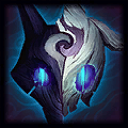
Kindred changes from a patient ranged carry into a much more active skirmisher in Mayhem. In normal ARAM, you often play behind your front line, farm safe angles, stack damage over time, and use Lamb's Respite as a defensive reset when the fight finally collapses. In Mayhem, fights start faster, reset faster, and punish hesitation harder. You still want clean spacing, but you cannot play like a backline turret waiting for the perfect engage. You need to move with the fight, follow low-health targets, and use your mobility to create short damage windows before the enemy turns on you.
Role and fight identity
- Normal ARAM: Kindred is usually a scaling marksman-skirmisher. You chip from range, protect yourself with Q movement, and save ultimate for burst or dive denial. If your team has strong frontline, you can play very standard carry spacing and let enemies walk into your damage.
- Mayhem: Kindred becomes more of a tempo carry. You are strongest when you enter and leave the edge of a fight repeatedly instead of standing still. If enemies spend key crowd control or mobility on someone else, you should step forward immediately and punish. If you wait until the whole fight is clean, the fight may already be over.
- Wrong ARAM habit: Sitting far back and only auto attacking the nearest tank is often too passive in Mayhem. You still cannot dive blindly, but you should look for marked, slowed, or isolated targets whenever the enemy formation breaks.
Skill use is less static
- Q in normal ARAM is mostly a spacing tool: dodge skillshots, kite divers, and reposition inside or around Wolf's zone. You use it carefully because wasting movement can get you caught.
- Q in Mayhem should be treated as both damage uptime and survival. Use it to keep firing while shifting sideways, not just backward. If an assassin misses their first engage, Q forward or diagonally to punish before they recover. If multiple threats still have access to you, Q away and keep your damage on the safest target.
- W in normal ARAM is often placed before an extended trade or when you expect enemies to walk into your range. The fight pace lets you set your zone and work inside it.
- W in Mayhem needs to be placed where the fight is going, not where it started. Drop it around a choke, a health relic contest, or the side angle you plan to kite through. If you place it too early in the center lane and the fight instantly shifts, you lose a lot of your comfort zone.
- E in normal ARAM is commonly saved for a kill target or a bruiser diving into you. You can be patient and wait for a clear execute setup.
- E in Mayhem should be used earlier when a target is about to be focused. The mode rewards fast commitment. If your ally lands crowd control or an enemy uses mobility forward, tag them and help finish the window. Holding E too long can mean the target escapes, receives protection, or the fight resets around an augment effect.
- R in normal ARAM is often a team-saving button. You cast it when your carries are about to die, when the enemy commits hard, or when a burst combo is landing.
- R in Mayhem is still powerful, but sloppy use is punished harder. Do not drop Lamb's Respite just because health bars are low. Ask what happens after it ends. If your team has follow-up damage, healing, shields, or crowd control ready, your ultimate can flip the fight. If the enemy has more bodies inside the zone and your team is scattered, you may simply protect their divers and lose the exit.
Skill order comparison
- Normal ARAM: Kindred usually values consistent damage and mobility first, because long poke and front-to-back fights reward repeated Q usage and steady auto attacks.
- Mayhem: The same basic logic often holds, but your priority should match the lobby. If you are constantly fighting short skirmishes, Q value rises because repositioning and uptime decide whether you live. If your team has reliable lockdown and you need to help finish targets quickly, E becomes more important in actual play even if your leveling pattern stays damage-focused.
- Practical rule: Do not think of the skill order as a script. Think of what the enemy is giving you. Against dive, play for Q spacing and R discipline. Against squishy poke, use W and Q to claim ground, then E the first target who oversteps.
Tempo and map rhythm
- Normal ARAM gives Kindred more time to scale into fights. You can clear waves, wait behind minions, and take trades when your frontline moves.
- Mayhem is more explosive. People fight around every small opening. If your team wins a trade, move up quickly and threaten the next target before the enemy stabilizes. If your team loses the first exchange, do not stand in the same lane pocket trying to lifesteal back. Reset your angle, let cooldowns come back, and look for a side step into the next fight.
- Wrong ARAM habit: Treating every low-health enemy as bait is too slow, but treating every low-health enemy as free is too greedy. Kindred wants controlled chase. Follow if you still have Q pathing, ally pressure, or ultimate insurance. Stop if the enemy is dragging you into hard crowd control or multiple untouched champions.
Augment impact
- Normal ARAM has rune and item planning, but your champion identity stays fairly stable. You are a ranged damage dealer with a defensive ultimate.
- Mayhem augments can push Kindred into different jobs. Damage-focused augments reward aggressive target selection and faster E commitment. Mobility or survivability augments let you play wider side angles and bait divers longer. Attack-pattern or on-hit-style augments reward clean uptime, so your goal becomes staying alive through the first engage instead of forcing the first kill.
- Do not let a good augment make you stupid. If your augment improves damage, you still die when you Q into layered crowd control. If your augment improves survivability, you still need a damage target. Kindred wins Mayhem fights by combining augment power with spacing, not by pretending to be a bruiser.
Snowball use
- Normal ARAM: Kindred usually does not need Snowball as a primary engage tool. Taking the mark in can place you inside enemy threat range, which is dangerous for a marksman.
- Mayhem: Snowball can be more valuable, but it is still not a free engage button. Use it to follow a guaranteed collapse, punish an isolated backliner, or reposition into a fight where your ultimate can decide the outcome. Do not take Snowball into five enemies just because you landed it.
- Best use case: Your team has already forced movement or crowd control, the target has limited escape options, and you can arrive with Q or R ready. In that case, Snowball turns Kindred from a kiter into a finisher.
- Bad use case: You land Snowball on a tank standing in front of four teammates. Taking that mark usually removes your own spacing and gives the enemy the fight they wanted.
Item and rune logic
- Normal ARAM: Item choices often lean toward reliable sustained damage, anti-frontline tools, and enough protection to survive poke or engage. You can build for longer fights because many ARAM fights become front-to-back damage checks.
- Mayhem: Build logic should answer the enemy's punish pattern. If divers are reaching you every fight, defensive value and movement-friendly damage matter more than pure greed. If the enemy has multiple durable champions, you need damage that keeps working through extended trades. If the enemy is mostly squishy and chaotic, burst-follow and execute pressure become stronger because fights are decided by the first clean pick.
- Rune habits also shift. Normal ARAM players may default to generic carry setups, but Mayhem rewards runes that actually match your fight access. If you cannot safely auto for long stretches, do not overvalue choices that only pay off after extended uptime. If your team can protect you, sustained damage choices become much better.
Teamfight spacing
- Normal ARAM spacing is mostly back-to-front: stand behind allies, hit what is safe, kite backward when threatened.
- Mayhem spacing is more circular. You often kite sideways, re-enter through a side lane pocket, or stand near your ultimate exit path before the fight even starts. Kindred should avoid being the first champion seen at the front, but also avoid being so far back that Q cannot convert a punish window.
- When using Lamb's Respite, think about the exit before you cast it. If you can leave the zone with Q, allies can cover the edge, and enemies are forced to stay low inside it, the ultimate is excellent. If the enemy controls every exit with crowd control, you may need to cast later or outside their ideal collapse point.
ARAM habits that become wrong in Mayhem
- Holding ultimate only for yourself can lose fights. In Mayhem, saving one ally who is carrying augment pressure or holding key crowd control may be more valuable than protecting your own health bar a few seconds later.
- Using ultimate too early can also lose fights. If no lethal damage is actually landing yet, you give enemies time to walk in and share the zone.
- Always hitting the closest target is too simple. Hit the closest target when they are the only safe option, but switch fast when an enemy carry steps into Q range without protection.
- Chasing marks or kills without lane state is dangerous. If your team cannot follow, your mobility becomes a trap. Take the fight when your allies are close enough to punish the turn.
- Playing every fight like a slow DPS check misses Kindred's Mayhem strength. Your best fights come from quick angle changes, clean E focus, and a well-timed ultimate that makes the enemy waste their burst.
The big difference is confidence with restraint. Normal ARAM Kindred can afford to be patient and linear. Mayhem Kindred needs to read the fight faster, move with more purpose, and spend abilities when the punish window appears. Step up when enemy tools are down. Back off when their engage is still loaded. If you keep that rhythm, Kindred feels much less like a fragile marksman and much more like a fight-stealing skirmisher.