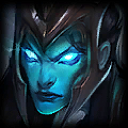
Kalista Mistake Guide
Kalista is punished harder than most marksmen when her rhythm breaks. In Mayhem, fights get messy fast, so the goal is not to play perfectly every second. The goal is to avoid the mistakes that make you stand still, lose Rend value, or throw your bonded ally into a bad fight. Use this checklist to keep your damage clean and your exits planned.
Mechanical Mistakes
- Wrong action: Auto-attacking without choosing your hop direction first. Direct consequence: You drift forward by accident, land inside enemy engage range, and lose the space that makes Kalista hard to punish. Correct action: Pick the direction before the spear leaves your hand. In neutral fights, hop sideways or backward unless a low-health target is already committed. Recovery: If you hop too far forward, stop chasing immediately, use the next few attacks to kite back, and let your frontline or bonded ally cover the space before you re-enter.
- Wrong action: Spamming attack commands so fast that your movement becomes random. Direct consequence: You cancel your own rhythm, miss easy follow-up autos, and give skillshots a predictable path to hit. Correct action: Keep a steady attack-move pattern: target, hop, target, hop. Speed matters, but clean spacing matters more. Recovery: If your inputs get messy, widen the fight for one second. Hit the closest safe target, reset your cursor placement, then rebuild tempo instead of forcing a flashy chase.
- Wrong action: Holding Rend too long because you want the perfect execute. Direct consequence: The target leaves range, becomes untargetable, gets shielded, or you die before cashing out the spears. Correct action: Use Rend when it secures a kill, forces a major retreat, or guarantees a reset on a low-health unit nearby. You do not need a highlight stack every fight. Recovery: If you held it too long and lost the kill, stop tunneling that target. Swap to the nearest enemy or minion wave, rebuild spear stacks, and wait for the next clean slow or execute window.
- Wrong action: Using Rend early on a healthy frontline target just because stacks are visible. Direct consequence: You lose your main threat, the enemy tank walks forward freely, and your team has no immediate punish when someone drops low. Correct action: Keep Rend available while the fight is still forming. Auto the safest target, then cash out when the damage changes the fight state. Recovery: If you used it too early, play like a normal short-range marksman until it is back. Kite backward, avoid hard commitment, and do not chase without another reliable slow or ally control.
- Wrong action: Throwing Pierce through the wave without checking what happens after it lands. Direct consequence: You step up for a poke pattern, miss the transfer or follow-up, and eat the enemy’s engage while your main ranged tool is unavailable. Correct action: Use Pierce when enemies are lined up, when a marked low-health unit can pass damage forward, or when your team can punish the target hit. Recovery: If the spear misses and the enemy walks at you, give ground immediately. Do not try to “make up” the missed damage with short-range autos unless your frontline has already stopped the engage.
- Wrong action: Standing still to finish one more auto into heavy crowd control or burst. Direct consequence: Kalista loses the thing that keeps her alive: constant repositioning. Once rooted, stunned, displaced, or trapped, she is often easier to finish than other carries. Correct action: Respect enemy control ranges even when a target is low. If the next auto requires you to stand in the danger zone, skip it and keep moving. Recovery: If you get caught, use every defensive option in order: take any ally peel, move toward your team instead of away from them, and only turn for Rend if it actually stops the chase.
- Wrong action: Using Fate’s Call on your bonded ally with no landing plan. Direct consequence: Your ally gets pulled out of their position, then either misses the re-engage or is forced to dive into a losing area. Correct action: Treat Fate’s Call as a rescue, a setup, or a guaranteed follow-up. Before using it, know whether your ally should escape backward, knock up priority targets, or hold the cast until the enemy commits. Recovery: If you pulled them at the wrong time, back up with them and reset the fight. Do not demand they re-engage just because the ability was used.
- Wrong action: Re-engaging after being slowed, blinded, exhausted, or heavily zoned because you still have spear stacks on someone. Direct consequence: Your autos become unreliable, your hops lose value, and the enemy gets to punish a predictable path. Correct action: Wait out the worst debuff or hit a safer target while it is active. Kalista is strongest when she controls spacing, not when she fights through every negative effect. Recovery: If you forced it and lost health, drop the chase. Stand behind minions or allies, life-steal or reset through safe attacks if your build allows it, and only return when the enemy’s punish tools are gone.
Decision Mistakes
- Wrong action: Bonding with the wrong teammate because they look like the “standard” choice. Direct consequence: Fate’s Call becomes awkward if that ally never wants to enter, cannot follow your timing, or is usually too far away in fights. Correct action: Bond with the teammate who can actually use the pull: a reliable engager, a peel support who needs saving, or a durable champion who can turn a fight after being repositioned. Recovery: If the bond is already poor, adjust your expectations. Use Fate’s Call mostly as a rescue or disengage tool instead of forcing plays the ally cannot execute.
- Wrong action: Playing Kalista like a long-range poke carry. Direct consequence: You contribute low pressure, let the enemy clear waves for free, and enter fights late with no spear stacks built. Correct action: Look for controlled windows where you can auto the closest safe target, stack Rend, and threaten a reset. You do not need to hit the enemy backline first. Recovery: If you spent the early fight doing nothing, move up only after enemy engage tools are used. Start on the nearest target and build pressure from there instead of sprinting toward the carries.
- Wrong action: Chasing a marked low-health enemy past your team. Direct consequence: You turn a possible Rend kill into a trade or a shutdown for the enemy, especially when their teammates still have crowd control. Correct action: Chase only when your next hop keeps you inside ally support range or when Rend can finish the target without overcommitting. Recovery: If you overchase and the enemy turns, cast Rend if it secures the kill or slow, then retreat through the shortest safe path. Do not continue forward after the first punish lands.
- Wrong action: Ignoring the minion wave in Mayhem skirmishes. Direct consequence: You lose safe spear targets, deny yourself Rend reset opportunities, and make it easier for the enemy to walk at you. Correct action: Use the wave as a spacing tool. Stack spears on minions when enemies are out of reach, threaten Rend resets, and punish anyone who steps through the wave carelessly. Recovery: If the wave is gone and the enemy has control of the lane, back up until your team can contest together. Kalista without space is not a champion that should face-check for damage.
- Wrong action: Building or choosing augments with no plan for how you will actually fight. Direct consequence: You may end up with damage that requires long uptime while your team has no peel, or burst tools that do not match your attack pattern. Correct action: If your team can protect you, lean into sustained auto and Rend value. If fights are chaotic and short, favor choices that help you survive the first engage or finish targets faster. Recovery: If your setup feels mismatched, change your playstyle before blaming the build. With greedy damage, stand farther back. With defensive tools, take more short trades and bait enemies into wasting cooldowns.
- Wrong action: Saving Fate’s Call only for the perfect engage. Direct consequence: Your bonded ally dies with your best defensive tool unused, and the enemy wins the fight before the dream setup appears. Correct action: Use it when it changes the outcome. A clean save on a key ally is often better than a risky knockup attempt. Recovery: If you were too greedy and your ally dies, stop fighting forward. You lost a major teamfight tool, so kite back, clear what you can, and wait for the next grouped fight.
- Wrong action: Front-to-back fighting with no target discipline. Direct consequence: You spread spears across multiple enemies, Rend loses kill pressure, and no target is forced out fast enough. Correct action: Choose the safest target you can hit repeatedly. Swap only when a higher-value target enters safe range or when Rend can finish the current one. Recovery: If your damage is scattered, stop swapping for a moment. Lock onto the nearest safe enemy, rebuild stacks, and call your own retreat line with movement instead of following every low bar.
- Wrong action: Starting fights when your bonded ally is dead, too far away, or unable to follow. Direct consequence: You lose a huge part of Kalista’s fight control and become a short-range carry with fewer emergency options. Correct action: Check your ally’s position before stepping into threat range. If they are not ready, play slower and farm damage from the edge. Recovery: If you already started without them, do not keep escalating. Kite toward your team, use Rend defensively if needed, and let the fight reset instead of trying to outplay five enemies alone.
Kalista mistakes usually come from greed: one more auto, one more stack, one deeper hop. The fix is simple but demanding. Keep your movement planned, cash out Rend when it matters, and use Fate’s Call for the fight you actually have, not the perfect fight in your head.