How to Play When Ahead
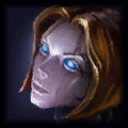
Trigger: your team has lane control, the enemy front line is low, or your divers can walk up without being instantly punished. Action: move Orianna’s ball forward before the fight actually starts. Put it on a minion, an allied engager, or the ground near the enemy escape path. Reason: Orianna is strongest when the enemy has to choose between losing space and walking into the ball. If you wait until the fight begins to place it, you give them time to spread out.
- Use the ball to tax every step. When ahead, do not throw random spells only for damage. Place the ball where the enemy wants to stand, then punish them when they step through it for a cannon, shrine area, or low-health ally. The consequence is simple: they either eat poke and lose the next fight before it starts, or they give up space and your team gets cleaner access to structures and health packs.
- Attach the ball to the champion who can force contact. If your tank, bruiser, or Snowball user is healthy and ready to go in, shield them early enough that they can carry the ball into the enemy formation. Do not hold the shield until they are already dead or crowd controlled in the middle of five people. The good ahead pattern is shield first, movement with the ball second, Shockwave or zone control third.
- Do not Shockwave only because two targets are visible. When ahead, the throw usually comes from using your ultimate into enemies who still have disengage, stasis, dashes, or a clean counter-engage angle. Look for a trigger: an enemy marksman walks up without peel, multiple enemies stack around a low-health ally, or your engager has already forced their movement tools. A patient Orianna ultimate protects a lead better than a flashy one.
- Turn poke into structure damage, not chase deaths. If the enemy is chunked and backing away, push the wave and hit the objective instead of running past the minion line. Orianna can protect a siege with ball threat and shields, but she is not built to recover a bad overchase after her team strings out. If your front line goes too far, keep the ball between your carry and the nearest enemy diver, then let the chase die.
- Use speed and shielding to keep tempo. When your team wins a trade, speed up the ally who can finish the next target or shield the ally who is tanking return poke. The goal is not only saving health; it is denying the enemy a reset window. If they cannot safely step up after losing a trade, your lead becomes repeatable instead of one lucky fight.
Augments When Ahead
- If your team already has engage, take augments that improve follow-up. Ability haste, stronger shielding, safer casting windows, or extra poke pressure help Orianna keep the ball active without exposing herself. The weakness they cover is her reliance on positioning before the fight. More frequent shields and spells let you correct a slightly late ball placement without losing the whole engage.
- If the enemy has long-range poke, take durability or sustain-oriented augments when offered. Ahead Orianna still throws if she gets chipped down before the decisive fight. A defensive augment is not passive here; it lets you stand close enough to threaten the ball while still surviving the enemy’s first answer.
- If your team lacks a clean opener, prioritize movement or control support over greed damage. Orianna’s damage matters, but an ahead team can lose because nobody can start the fight cleanly. Augments that help allies reach the fight, keep them alive during entry, or let you cast more often are usually better than pure numbers when your comp needs execution.
Avoiding Throws While Ahead
- Respect flank and Snowball angles. If an assassin or diver is missing from vision, keep the ball near your backline instead of parking it deep for poke. The punish window against Orianna is when the ball is far away and she has to choose between saving herself and finishing a combo. Do not give that window for free.
- Do not stack with your own carry unless the enemy engage is down. Orianna likes grouping with allies, but a tight clump gives enemy area damage and displacement a clean answer. Stand at a diagonal from your main carry so you can shield them without both of you getting hit by the same engage.
- End fights in layers. First layer is poke and ball zoning. Second layer is shield and speed for the engager. Third layer is ultimate or defensive peel. If you spend all layers at once and the enemy survives, you have no recovery plan. When ahead, controlled layering is how you deny comeback fights.
How to Play When Behind
Trigger: your team is losing wave control, your front line cannot walk up, or the enemy can engage before you finish setting the ball. Action: stop playing for perfect multi-target ultimates and start playing for survival, wave control, and one punished overstep. Reason: behind Orianna wins by making the enemy enter a bad space, not by walking into their stronger formation.
- Keep the ball closer until the enemy commits. When behind, a ball placed too far forward often becomes useless because your team cannot follow it. Hold it near your carry, near the minion wave, or near the path the enemy diver must cross. If they engage, you can shield, slow their advance, and threaten a defensive Shockwave. The consequence is that their dive becomes more expensive, even if you are not winning poke yet.
- Clear waves before fishing for damage. If the enemy wave is alive, they can use it to protect their siege and force your team backward. Use spells to thin the wave when your team cannot contest space. Once the wave is gone, the enemy has to step into open ground to hit structures, and that is where Orianna’s ball becomes dangerous again.
- Save your shield for the target who decides the fight. Behind teams often lose because everyone takes small damage and panic buttons get used on the wrong person. If an ally is only being poked and can walk back, you may not need to spend everything. If your carry is marked by a diver or your tank is absorbing the only engage window you have, shield there. A single correct shield can buy the cast time and spacing needed for a counter-combo.
- Use Shockwave as a stop sign, not just a highlight play. If the enemy has the stronger engage, your ultimate may need to interrupt their follow-up or pull divers off your backline. A one-target defensive ultimate on the enemy assassin can be correct if it saves your main damage dealer. The failed version is holding it for five people while your carry dies first.
- Trade health for position only when there is a recovery plan. If you step forward to poke and lose half your health, your team may be forced into an unwinnable fight. Only walk up when the ball is already placed, your shield is ready, an ally can cover you, or the enemy’s key engage is unavailable. If none of those are true, play from behind the wave and make them come to you.
Augments When Behind
- If you are getting dove, take augments that add survivability, mobility, or defensive casting value. Orianna behind cannot influence fights if she dies before moving the ball twice. Defensive options cover her biggest weakness in losing games: being forced to spend spells on herself and still not escaping.
- If your team cannot clear or poke safely, choose augments that increase spell uptime or safe ranged pressure. More frequent ball movement, shields, and damage windows help your team stall without walking into melee range. The goal is to create enough delay for the enemy to make a mistake, not to instantly outdamage them from a losing state.
- If your engage is unreliable, favor utility over greedy damage. Behind Orianna needs fights to be cleaner. Augments that help allies survive entry, reposition, or stay in combat can turn a desperate Snowball or tank engage into an actual setup. Pure damage does nothing if nobody can hold the enemy in the ball long enough.
Avoiding Unrecoverable Fights While Behind
- Do not contest every health pack or forward wave. If the enemy reaches the area first and your team is split, let it go. Orianna can defend space, but she cannot make a bad numbers fight safe. Ping back, clear what you can, and wait for the enemy to overextend into your side of the lane.
- Do not follow a losing engage with a late ball. If an ally dives too deep without enough health or backup, attaching the ball to them can drag your whole team into the same mistake. Use the ball to peel the retreat path instead. Sometimes the correct recovery is saving three players, not trying to rescue one doomed engage.
- Reset your formation after every lost trade. When your shield and ultimate are down, stand farther back and let the ball protect the approach. Behind Orianna is most punishable right after spending her defensive tools. If the enemy sees you still standing forward, they can force before your team has a real answer.
- Look for enemy impatience. A winning enemy team often throws by diving past the wave, stacking too tightly, or chasing a low-health target through the ball. Your job is to make that mistake costly. Keep enough health to cast, keep the ball where the chase must pass, and punish the first enemy who turns a won siege into a messy brawl.