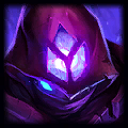
Malzahar Mistake Guide
Malzahar is strongest when he makes the fight unfair before it starts: shove the wave, spread damage safely, hold silence for the right path, then lock down the target your team can actually kill. Most bad Malzahar games come from forcing the big suppression too early or playing like the passive shield makes him immortal. It does not. Treat every mistake as a tempo loss, then recover by resetting the wave and waiting for the next clean punish.
Mechanical Mistakes
- Wrong action: Casting your damage spell on a full-health frontline target while the wave is still alive. Direct consequence: Your push slows down, your Voidlings get cleared for free, and the enemy backline gets space to walk up without being pressured. Correct action: Use your spell rotation to secure minions first, then let the damage bounce or transfer toward champions when they step near the wave. Recovery: If you already wasted the spell on the wrong target, back up, protect your passive shield, and wait for the next wave instead of trying to auto-attack your way into poke range.
- Wrong action: Dropping Voidlings into obvious area damage or into a wave the enemy is already clearing. Direct consequence: They disappear before they create pressure, and you lose a big part of your lane control. Correct action: Summon them when the enemy’s main waveclear has just been used, or when your team is ready to push behind them. Recovery: If they get wiped instantly, do not chase to “make up” the damage. Fall behind your minions, farm with safer spells, and rebuild the push on the next rotation.
- Wrong action: Throwing silence at maximum range with no plan. Direct consequence: If it misses or lands on a low-value target, assassins and divers get a clean window to jump you or your carries. Correct action: Aim silence where enemies must move: narrow bridge angles, minion gaps, retreat paths, or the spot a diver will land after committing. Recovery: If silence is down and a threat is still holding engage, stop walking forward. Ping danger, stand beside peel, and save your suppression for the first enemy who overextends.
- Wrong action: Using Nether Grasp on the first target in range without checking enemy interruption. Direct consequence: You root yourself in place, get interrupted or bursted, and your ultimate becomes a trade for nothing. Correct action: Ult when the main interrupt is unavailable, blocked by your frontline, or forced to choose between stopping you and escaping your team’s damage. Recovery: If your ultimate gets cancelled, immediately kite backward instead of re-entering. Your job becomes silence and wave control until the next engage window.
- Wrong action: Ulting a target your team cannot reach. Direct consequence: The suppression looks good, but the target survives because your allies are out of range, blocked by tanks, or dealing with another threat. Correct action: Before pressing ultimate, check if at least one damage dealer can hit the target during the lock. The best target is not always the carry; it is the enemy who dies while suppressed. Recovery: If you trapped the wrong target and they lived, do not chase after the channel. Reset behind your frontline and use the next silence to stop their counter-engage.
- Wrong action: Breaking your passive shield for a tiny poke trade. Direct consequence: You lose your safest buffer against engage, slows, and stray crowd control, which makes your next ultimate much riskier. Correct action: When your shield is up, use it to hold position, not to tank random skillshots. Let minions and allies soak poke when there is no kill threat. Recovery: If the shield is gone, play like a normal immobile mage. Stand farther back, avoid the side walls, and wait until the enemy has spent their engage before stepping up.
- Wrong action: Walking forward during your damage-over-time setup just because the spell connected. Direct consequence: You turn safe pressure into a bad trade, especially against champions who want you inside dash, hook, or Snowball range. Correct action: Land the spell, then move sideways or backward while the effect does its work. Force the enemy to choose between retreating and losing health or stepping into your team. Recovery: If you got pulled or tagged after overstepping, use silence defensively and retreat toward the closest ally with peel rather than toward open space.
- Wrong action: Channeling ultimate while standing in enemy damage zones. Direct consequence: Even if the suppression completes, you may die during it, and your team loses follow-up control. Correct action: Shift position before ulting. A small sidestep behind your frontline or away from a ground effect often decides whether the play is clean or suicidal. Recovery: If you are forced to ult from a bad spot, accept the short trade and do not stay afterward. Flash, Snowball back if available, or retreat behind the minion wave as soon as the channel ends.
- Wrong action: Using Snowball as a blind engage tool. Direct consequence: You land inside the enemy team as an immobile mage, lose your passive, and get punished before you can set up a real combo. Correct action: Use Snowball mainly to follow a guaranteed kill, reposition after an enemy overcommits, or dodge a lethal skillshot when the return path is safe. Recovery: If you took a bad Snowball in, immediately silence the highest-threat area and ult only if your team is already collapsing. If they are not, stop attacking and try to walk out.
Decision Mistakes
- Wrong action: Picking every fight around your ultimate cooldown as if Malzahar is useless without it. Direct consequence: You give up wave control and let the enemy start fights on their terms. Correct action: When ultimate is unavailable, shift into poke, silence zones, and fast waveclear. You can still make the enemy walk through bad space. Recovery: If your team is trying to force while you lack suppression, ping back, clear the wave first, and only join if the enemy has already committed too deep.
- Wrong action: Saving ultimate forever for the enemy carry. Direct consequence: Divers, bruisers, or assassins get multiple free engages because you refuse to lock down the target actually killing your team. Correct action: Use suppression on the highest-value threat in the current fight. If the carry is unreachable but the diver is on your marksman, ult the diver. Recovery: If you held it too long and an ally died, stop looking for a miracle backline pick. Stabilize the next wave and use ultimate early on the next enemy who crosses your frontline.
- Wrong action: Standing alone on a side angle to fish for silence. Direct consequence: You become the easiest engage target, and your team cannot punish the enemy fast enough when they collapse on you. Correct action: Take angles only when your passive is up, your frontline is close enough to punish, and you have a clear retreat line. Recovery: If you are caught on the side, do not run deeper along the wall. Cut back toward your team, silence the chase path, and use suppression defensively if the first diver reaches you.
- Wrong action: Ignoring enemy cleanse, spell shields, untargetability, or displacement tools when choosing an ultimate target. Direct consequence: Your best ability gets denied, delayed, or wasted into a target that can avoid the kill window. Correct action: Track which enemy can block, cleanse, interrupt, or escape your setup, then bait those tools with silence and poke before committing. Recovery: If they deny your ultimate, call off the chase. Rebuild pressure through minions and look for the enemy who just used their defensive answer.
- Wrong action: Building and augmenting only for personal damage when your team lacks reliable lockdown. Direct consequence: You may top poke numbers but still lose fights because enemies can walk away or dive through you. Correct action: Choose items and augments that match the job your team needs: more burst when allies have setup, more survivability or control when you are the main answer to divers. Recovery: If your current setup is too greedy, change your playstyle first. Stand farther back, ult defensively, and let teammates start fights until your next buy or augment choice can correct the gap.
- Wrong action: Forcing a fight while your wave is under your tower or your Voidlings are unavailable. Direct consequence: You fight without your natural pressure, lose space, and give the enemy easy minion cover against your skillshots. Correct action: Clear first unless an enemy is clearly caught. Malzahar wins many ARAM: Mayhem fights by making the enemy answer the wave before they can answer him. Recovery: If a fight starts on a bad wave, play peel instead of chase. Silence the entrance, ult the first overextended threat, and clean the wave after the trade.
- Wrong action: Treating tanks as worthless ultimate targets every time. Direct consequence: A tank with engage tools may start the whole fight for free while you wait for a backline angle that never appears. Correct action: Ult a tank when stopping their engage saves your carries or when your team has damage ready to burn them down. Do not ult them just because they are close; ult them because their next action matters. Recovery: If you ignored the tank and they started a winning fight, use your next rotation to disengage, not revenge-kill. Surviving with two players is better than feeding a staggered wipe.
- Wrong action: Chasing low-health enemies after your damage-over-time effect tags them. Direct consequence: You leave your safe formation, lose passive protection, and may die before the delayed damage finishes the job. Correct action: Let the spell pressure them while you keep position. If they must retreat through your team’s zone, they are already losing the fight. Recovery: If you chased and got turned on, stop attacking immediately. Drop silence between yourself and the enemy, walk back through your minion wave, and only re-engage if an ally lands hard crowd control.
- Wrong action: Using ultimate to start every fight instead of waiting for the enemy’s commitment. Direct consequence: You reveal your plan, root yourself, and give the enemy time to counter-engage around you. Correct action: Let your frontline, poke, or wave pressure force movement first. Malzahar’s ultimate is often better as the second button in the fight, when someone has already dashed in or burned a defensive tool. Recovery: If you started too early and the enemy disengaged, do not walk forward to salvage it. Take the free space, clear the wave, and make them deal with the next push.
- Wrong action: Panicking after one failed ultimate and playing the rest of the round scared. Direct consequence: You stop contributing waveclear and silence pressure, so the enemy gets repeated engages without paying health. Correct action: Separate the failed play from your next job. Even without the perfect suppression, Malzahar can still control lanes, punish divers, and force enemies to respect choke points. Recovery: After a bad fight, reset your position behind the healthiest ally, clear the next wave cleanly, and wait for one enemy mistake instead of trying to instantly redeem yourself.
The clean Malzahar habit is simple: push first, punish second, suppress only when the target can die or the engage must be stopped. If a mistake happens, do not chase the lost play. Recover your spacing, rebuild the wave, and make the enemy walk into the next silence on your terms.