Mistake Guide
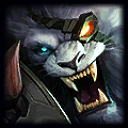
Rengar wins in Mayhem when he controls the moment of contact. He looks simple because the jump is instant and the damage is loud, but most bad Rengar games come from entering fights one step too early, spending Ferocity on the wrong button, or leaping into a team that still has every answer ready. Use this checklist when a fight goes wrong: identify the bad input, accept the punish window, then reset your angle instead of forcing the next jump.
Mechanical Mistakes
- Wrong action: Leaping from brush the second an enemy enters range, without checking who is behind them.
Direct consequence: You land on the front target, get revealed in the middle of the lane, and eat crowd control before you can finish the kill.
Correct action: Hold the brush position until a carry steps past their frontline or uses a key disengage tool. Rengar’s jump is strongest when it starts a collapse, not when it announces one.
Recovery: If you already jumped into the wrong body, do not keep chasing through the team. Use your defensive button and movement to exit toward your side brush, then wait for the next wave or ally crowd control to create a cleaner target. - Wrong action: Spending empowered damage every time you reach Ferocity, even while you are being locked down or focused.
Direct consequence: You may deal a burst of damage, but you lose the button that could have kept you alive or helped you reposition. In Mayhem, fights often continue after the first target drops, so dying after one trade can still be a bad exchange.
Correct action: Decide your empowered cast before you enter. If the target is isolated and their peel is down, commit to damage. If you expect crowd control or return burst, save the empowered defensive option for the enemy response.
Recovery: If you used the wrong empowered ability and are now low, stop looking for another kill. Back out through brush, use minions or terrain to break the enemy’s line, and re-enter only after Ferocity is rebuilt or an ally starts the next engage. - Wrong action: Throwing your bola after you already land in melee without aiming for the enemy’s escape path.
Direct consequence: Mobile targets dash or flash away while your control tool misses behind them, and you are left standing in their team with no reliable follow-up.
Correct action: Aim the bola where the target needs to move, not where they are standing. Against slippery champions, use it during your approach or immediately as they begin their escape animation.
Recovery: If the bola misses, cancel the chase unless your team has another guaranteed lock. Turn onto a nearby low-health target or retreat to brush; chasing a missed skillshot usually turns one mistake into a shutdown. - Wrong action: Using your defensive roar too early, before the enemy commits meaningful damage or control.
Direct consequence: The enemy simply waits out your safety window, then punishes you after you have no answer left.
Correct action: Let the enemy spend something real first. If you jump into a carry and they panic with burst, peel, or control, then use the defensive cast to survive that exchange and keep moving.
Recovery: If you panic-cast too early, stop trading aggressively. Step back behind your frontline or into brush, because your next few seconds are about not giving the enemy a clean punish. - Wrong action: Treating Snowball as a guaranteed engage button and taking every second activation.
Direct consequence: You deliver yourself into a stacked team, lose brush access, and make it easy for the enemy to chain control you on arrival.
Correct action: Use Snowball to mark priority targets or create threat, but only take it when your team can follow or when the landing spot gives you an exit. Sometimes the best Snowball is the one that makes the enemy back up without you taking it.
Recovery: If you took a bad Snowball, do not tunnel on the marked target. Immediately look for the nearest brush, ally shield, or minion line to retreat through. Surviving with low health is better than donating a free reset to the enemy team. - Wrong action: Standing still after a kill to finish another auto or chase straight down the lane.
Direct consequence: The enemy team gets a predictable line on you, and Rengar’s biggest advantage, his ability to re-enter from fog or brush, disappears.
Correct action: After the first kill or forced escape, move sideways into brush or behind terrain before choosing the next target. Rengar is much harder to punish when every re-entry forces the enemy to guess.
Recovery: If you overstay in the open and get chunked, give up the second kill. Reset your position, let an ally take the forward space, and rebuild threat instead of trying to outplay five people with no angle.
Decision Mistakes
- Wrong action: Building and playing like you can always one-shot the enemy carry, even when they have heavy peel, shields, or multiple durable champions.
Direct consequence: Your first jump gets absorbed, and after that you are a melee champion in the wrong part of the fight.
Correct action: Match your plan to the lobby. If the enemy backline is protected, look for flank timing, delayed entry, or bruiser-style trading around your frontline instead of forcing pure assassination every fight.
Recovery: If your damage plan is failing, stop diving the same target. Start punishing whoever steps too far forward, help your team finish crowd-controlled enemies, and use later fights to attack after enemy peel is already spent. - Wrong action: Engaging first when your team has no follow-up in range.
Direct consequence: You burn your whole kit to start a fight your team cannot join, and the enemy turns your death into wave control or a push.
Correct action: Watch your allies before you jump. If your crowd control, burst, or frontline is walking back, wait. Rengar can threaten from brush without committing, and that threat buys space by itself.
Recovery: If you engaged alone and lived, ping your retreat path with movement, not frustration. Back off, let your team regroup, and use the next wave to reset brush control before trying again. - Wrong action: Ulting or committing from stealth just because the enemy carry is visible.
Direct consequence: You may reveal your intent too early, giving the target time to group tightly, hold defensive tools, or bait you into their strongest zone.
Correct action: Use the threat window to read movement. If the carry walks backward into four teammates, do not force it. If they separate, waste a dash, or step near brush, then commit.
Recovery: If your ultimate pressure gets nothing, accept the failed hunt. Do not dive late after the enemy has already prepared. Return to your team, clear the wave, and wait for the next misposition. - Wrong action: Ignoring brush control and fighting only in the center of the lane.
Direct consequence: You lose repeated jump access, your approach becomes obvious, and ranged champions can poke you down before the fight starts.
Correct action: Fight for side space before the fight breaks open. Even if you cannot sit in brush forever, stepping in and out of it forces enemies to respect your leap range and makes their carries position worse.
Recovery: If the enemy owns the brushes, do not walk in blind at low health. Let your team check with safe spells, wait for minions, or threaten a different angle until the enemy has to move. - Wrong action: Chasing a low-health target past the enemy team after your burst fails to finish them.
Direct consequence: You leave your allies, run into fresh cooldowns, and often die without even securing the kill.
Correct action: Kill the target that can actually be killed within your team’s reach. Rengar is not weak for swapping targets; he is strongest when he converts one mistake into a fast numbers advantage.
Recovery: If you chased too far, cut sideways instead of running straight back through the enemy. Look for brush, a minion wave, or an ally skill that can cover your exit, then stop re-engaging until your resources are back. - Wrong action: Taking augments or item paths without asking what problem you must solve in that match.
Direct consequence: You may have high damage on paper but no way to reach carries, survive counter-burst, or contribute when the enemy groups tightly.
Correct action: Choose your setup around the enemy’s answer. Into fragile teams, lean into faster kills. Into control-heavy teams, value tools that help you survive the first response or re-enter fights. Into tanks, plan for longer trades rather than one clean pop.
Recovery: If your setup feels mismatched, adjust your play pattern immediately. Stop taking coin-flip dives, play more off ally crowd control, and use your threat to zone carries while your team handles the front line. - Wrong action: Forcing fights while your team is clearing under pressure or waiting on key health bars.
Direct consequence: You jump into enemies at their strongest moment, and even a good mechanical engage becomes a bad team decision.
Correct action: Look at the wave and ally health before committing. If your team is low, your job is to threaten the brush and discourage a push, not start a full fight.
Recovery: If you forced at the wrong time and your team cannot follow, retreat early and help stabilize the wave. A delayed fight with five players alive is far better than a heroic death that opens the lane.
The clean Rengar game is not about jumping more often. It is about making every jump answer a real mistake from the enemy. If you lose the angle, reset. If you spend the wrong empowered cast, slow down. If the target is bait, let them live and punish the next one. Rengar becomes much harder to beat when you stop treating every opening as a command to dive.