Practical Match Tips
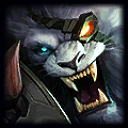
Play Rengar like a threat bubble, not a front-to-back bruiser. In ARAM: Mayhem, the lane is too narrow for slow flanks, so your best pressure comes from brush control, Snowball angles, and forcing enemies to walk past the point where your leap can punish them. If your team owns the side brush, stand just deep enough that the enemy has to respect a jump, but not so deep that you get tagged by random poke before the fight starts.
Engage
- Start fights from brush when the enemy carry has already used movement or crowd control. Rengar’s engage is strongest when the target cannot instantly dash, stun, or knock you away. Wait for a mage to miss their root, an ADC to use their dash, or an enchanter to step forward for poke. Then leap, spend your burst, and decide quickly whether you are committing or backing out.
- Do not be the first body into five champions unless your team can follow immediately. Rengar can delete isolated targets, but in the ARAM lane, enemies naturally stack together. If you jump before your tanks, Snowball users, or area damage champions are ready, you eat every defensive spell at once and your team gets no trade.
- Use your ultimate as a positioning tool, not only as a kill button. If the enemy backline is playing far behind their frontline, ultimate can force them to retreat and split their formation. That alone may let your team walk up, clear minions, or take brush. If the reveal pressure makes the carry step away from their support, then you take the jump.
Counter-engage
- Rengar is excellent at punishing enemies who dive past their team. When an assassin, bruiser, or Snowball tank lands on your backline, do not always chase their carries. Turn first if the diver is isolated in your brush zone. Burst them, use crowd control if available, and make the enemy engage fail before looking forward.
- Hold empowered defensive tools when the enemy has reliable lockdown. If you spend everything for damage into a team with point-and-click crowd control or layered slows, you may never get a second action. Against those comps, jump in with a plan to survive the first return hit, then re-enter after their peel is down.
- If your carry is fed, play near them instead of hunting alone. A visible Rengar near a high-value ally makes enemy assassins hesitate. If they still go in, they are giving you the isolation you wanted without you needing to cross the whole lane.
Escape and Recovery
- Always know your exit before you leap. Your common exits are back into brush, back through your minion wave, or sideways after the enemy burns their first control spell. If none of those exist, the jump is probably a trade at best.
- Use brush to break target focus after your first rotation. Even a short step into fog can force enemies to reposition, lose clean autos, or throw skillshots into the wrong spot. After you reset their aim, you can either re-leap, retreat, or wait for your team’s next spell wave.
- When low health, stop fishing for hero jumps. Sit near your team, catch minions only when safe, and threaten anyone who overextends. A low-health Rengar still creates pressure from brush, but a dead Rengar gives the enemy a free push and removes your team’s best punish tool.
Narrow-Lane Spacing
- Do not stand in the same line as your frontline before the fight. Poke and crowd control often travel straight down the bridge. If you stack with your tank, one spell can hit both of you and remove your engage window. Play slightly off-angle in brush or behind minions, then move when the enemy has to choose between hitting you or your team.
- Respect area control in choke points. If the enemy drops persistent damage or zoning spells on the brush entrance, do not force through it. Let the wave move, wait for the zone to expire, or use Snowball/ultimate to bypass the obvious path. Walking through visible danger is how Rengar loses before he gets to play.
- Use minion waves as timing signals. When your wave is alive, enemies often step forward to clear. That is your window to threaten a leap. When your wave is gone, back up unless your team is actively engaging, because the enemy has a clean line to hit you.
Target Priority
- Kill the target who cannot answer you, not always the lowest-health champion. A low-health tank with shields and crowd control may waste your whole combo. A mid-health mage with no flash-style escape, no peel nearby, and no defensive spell ready is often the better target.
- Backline carries are ideal only when their peel is separated. If the support and tank are standing on top of the ADC, wait. Force them to move with ultimate pressure, minion push, or your team’s poke. When one protector steps forward and the carry steps back, that split is your opening.
- Do not ignore fed melee threats. If an enemy bruiser is carrying fights by walking through your team, bursting their backline may not matter. In that case, save your damage for the bruiser after they commit, especially if your crowd control can stop their reset or healing window.
Snowball Timing
- Use Snowball to create a second angle, not to announce a bad engage. Throw it when the enemy is dodging another spell, clearing a wave, or stepping out of brush vision. If you mark a target while your team is far back and the enemy team is grouped, taking the dash just feeds them a predictable Rengar.
- Mark frontline when you need access, then choose whether to take it. You do not always need to Snowball directly onto the carry. A mark on a tank can let you close distance, threaten brush, or follow your team’s engage. If the backline panics and mispositions, then you redirect with leap or ultimate pressure.
- Do not take Snowball into fresh crowd control. If you see the enemy holding a stun, knockup, or displacement for your arrival, let the mark expire. A missed chance is better than arriving into five prepared champions with no follow-up.
Augment Trigger Windows
- Plan augments around your first contact and your exit. If your augment rewards burst, trigger it when the target has no defensive answer and your team can finish. If it rewards durability or repeated combat, do not spend it on a one-way jump; enter when you can stay near brush or allies long enough to benefit.
- Hold active augments until after the enemy reacts. Many fights are decided by the first defensive spell. Jump, draw the shield, dash, cleanse, or crowd control, then trigger your augment when the target has fewer answers. This turns their panic button into your real engage signal.
- When behind, use augments to stabilize instead of forcing kills. Defensive, mobility, or utility triggers should be saved for enemy engage windows. If you burn them trying to assassinate a full-health carry under protection, you will not have them when their bruiser dives your team.
Push and Pull Rhythm
- Push when you have brush control and your team can walk with the wave. A pushed wave forces enemies to clear near your threat range. Stand in brush, punish the first squishy who steps too close, and let your ranged champions hit turret or poke safely.
- Pull back when your brush is warded by bodies or controlled by enemy spells. If the enemy owns the lane center, do not hover in dead space. Give ground, let them overextend into your side, then use your side brush and Snowball to punish the champion who walks too far ahead of their support.
- After a kill, hit structures only if the enemy respawn threat is low enough for your team to leave. Rengar can zone respawners from brush, but he is not invincible under turret pressure. If your health is low or key tools are down, help clear the wave and reset position instead of dying for a few extra hits.
Dive Timing
- Dive only when the target is already trapped. Good dive signs are a low-health carry under turret with no peel beside them, enemy crowd control already used, your minion wave arriving, and your team close enough to finish if you get stopped. If two of those are missing, wait.
- Let someone else take the first turret focus when possible. Rengar wants to enter after the enemy reacts, not stand under turret while they line up control. If your tank or Snowball engager starts the dive, follow instantly onto the priority target and leave as soon as the kill is secured.
- If the dive fails, stop chasing through the back of the lane. Turn out, use brush or movement to break focus, and protect your surviving teammates from the counter-engage. A failed dive becomes a disaster only if everyone keeps running forward one at a time.
Behind-State Damage Control
- When behind, become a punisher instead of an initiator. Sit near brush, wait for enemies to overuse mobility, and burst the champion who steps ahead of their wave. You are looking for shutdown participation, not stylish solo kills.
- Build fights around numbers advantage. If your team pokes someone low or forces an enemy to retreat, then you can threaten the next target. If all five enemies are healthy and grouped, clear minions, guard your carry, and wait for a mistake.
- Protect your death timer like it matters, because it does. A behind Rengar who dies first gives the enemy a free push and removes all brush pressure. A behind Rengar who stays alive forces carries to keep spacing carefully, which buys time for your team’s scaling, augments, and next engage window.