How to Play When Ahead
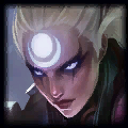
Use the lead to control engage range, not to start every fight on sight. Diana is strongest when the enemy has already stepped into a narrow space, used key crowd control, or grouped tightly enough for her pull to punish multiple targets. When your team is ahead, walk forward with minions and allies, threaten Q poke, and make the enemy retreat before you commit. If they split up and keep distance, do not waste your dash just to touch one carry. Force them to lose space first, then dive when they have fewer escape angles.
- Trigger: enemies are stacked near the wave, turret remains, or a healing relic fight is starting. Hold your engage until they bunch up for last-hits, relic access, or peel positioning. Tag with Q first when possible, then dash in only if the target is marked or cannot kite cleanly. The consequence is simple: a clean Diana entry turns a small lead into a wipe because the enemy has to answer your burst, your shield, and your pull at the same time. If you miss the setup and dash raw, you give them the easiest punish window in the game: crowd control after your first dash, then focus fire before your team can follow.
- Trigger: your frontline or poke champion has already forced defensive spells. Go immediately. Diana loves second entry. If the enemy has spent knockups, stuns, silences, or displacement on someone else, your all-in becomes much harder to stop. Use Snowball or your dash as the bridge, activate your shield before the damage lands, and pull when multiple enemies are inside threat range. Waiting too long after those tools are used lets the enemy reset formation, so the action has to be fast once the window opens.
- Trigger: you are fed but the enemy still has one hard answer, like point-click lockdown or heavy disengage. Do not be the first champion visible in the engage line. Stand slightly off-center, let a tank, summon, minion wave, or ally poke draw attention, then enter from the side. The consequence of respecting one key counter is that your lead stays playable. The throw pattern is diving straight through the middle, getting stopped before your pull matters, and handing shutdown gold to the only champion who can still stabilize the game.
- Trigger: your team wins short trades but cannot safely hit structures. Use your lead to zone, not chase. Stand between the enemy and the wave so they must choose between losing minions or walking into Q range. If they back away, hit the turret with your team. If they step forward, threaten the full combo. Chasing past the structure after one low-health target is usually worse than taking the map space, because Diana without an exit can turn a won push into a staggered death.
Augments should make your winning pattern harder to punish. When ahead, prioritize augments that help you survive the first counterburst, reach priority targets more reliably, or refresh pressure after a takedown. Diana already has enough threat when she is ahead; the weak point is the moment after she enters. Defensive shields, damage reduction, healing on combat success, haste, movement tools, or takedown-based resets all help convert the first kill into a second action instead of a trade death. If an augment only adds more damage but leaves you dying instantly after the pull, take it only when your team already has reliable engage and peel.
- Trigger: enemy carries are building defensively or standing far back. Choose augments that improve access, sticking power, or repeated casts. You need to get onto them without spending every tool before the fight starts. If your engage requires Snowball, dash, and flash-style movement all at once, you will kill one target at best and then be stranded. A reach or reset augment covers that weakness by letting you start on the front edge and still threaten the backline after the fight breaks open.
- Trigger: the enemy team is full of burst and is waiting for you. Choose survivability over greed. A fed Diana who lives two extra seconds is often more valuable than one with slightly higher burst, because her shield cycle, area threat, and follow-up damage force the enemy to keep hitting her while your team cleans up. If you die before your allies enter, the enemy gets a clean recovery fight and your lead starts shrinking.
- Trigger: your team lacks a tank but you are the strongest champion. Build and augment like a durable diver, not a pure assassin. Start fights only when your team is close enough to damage the pulled targets. If you dive from beyond follow-up range, your team watches you die and then has to fight without its lead. Ping or posture first, then enter when allies are already moving forward.
The main way to throw while ahead is over-chasing after the first win. After a successful fight, count who can still stop you. If the enemy still has a fresh control mage, bruiser, or support-style peel champion alive, take the wave, turret, or relic instead of diving into their spawn side. Diana is excellent at starting a fight, but she is not guaranteed a clean exit after every kill. If your pull is down, your dash target is gone, or your shield has already been consumed, back up and reset the formation. Make the enemy walk into you again.
How to Play When Behind
When behind, stop playing like the first engage has to win the game. Diana can still change a fight, but only if the enemy gives her a real cluster or spends their peel first. Your job is to farm safely with Q, protect your health bar, and threaten counter-engage. A desperate dash into five healthy enemies usually becomes unrecoverable: you die, your team loses wave control, and the enemy gets to hit structures while your respawn stagger starts.
- Trigger: the enemy is sieging and your team cannot walk up. Use Q to thin the wave and hold your dash. Do not dash to a marked minion or champion unless the enemy’s main crowd control is already used or your team can instantly follow. The consequence of patience is that the enemy must either overextend into your turret zone or spend time clearing slowly. The consequence of impatience is a free pick for them before the real fight even starts.
- Trigger: one enemy carry steps too far forward while the rest are behind the wave. Look for a short punish, not a full backline dive. Q, dash, shield, pull if it secures the catch or forces their team to collapse into bad positioning. If the target escapes but burns a major defensive tool, accept that win and back out. Behind Diana recovers through repeated forced mistakes, not one heroic engage into perfect enemy spacing.
- Trigger: the enemy frontline is hitting your team and their backline is spread. Peel first. Diana’s pull and burst can punish divers who commit too deep, and that is often safer than trying to reach a carry standing behind three champions. If you kill or chunk the diver, the enemy formation loses its anchor and your team gets room to move forward. If you ignore the diver and dive alone, your backline dies while you are stuck in the enemy team.
- Trigger: your team has poke, traps, or long-range crowd control. Wait for their hit before entering. Behind Diana needs someone else to create the first crack. When an ally lands a root, stun, knockup, or heavy slow, that is your cue to dash and convert. If no one has landed anything, keep threatening from fog or brush and protect your health. Going first while behind gives the enemy a clean target; going second lets you punish their reaction.
Augments should cover the reason you are losing, not just your favorite combo. If you are getting blown up before your pull matters, take defensive or sustain options. If you cannot ever reach the carry, take mobility, haste, or engage-supporting options. If fights last long but your damage falls short, then damage scaling or repeated-cast augments become reasonable. The wrong choice is stacking more burst when the enemy is killing you during the entry animation or kiting you before you touch anyone.
- Trigger: you are behind against heavy poke. Pick augments that help you preserve health, recover after trades, or close distance when a real window appears. Your action plan is to avoid taking free poke while fishing for Q. Stand behind the wave when needed, use brush to break targeting, and only step forward when your team can contest the same space. If you reach half health before the fight starts, your engage threat is fake.
- Trigger: you are behind against heavy crowd control. Value durability, tenacity-style protection if available, or tools that let you delay entry. You cannot brute-force through every stun, knockup, silence, or displacement. Track the first control spell that can stop your dash or interrupt your follow-up, then engage after it is used. If multiple answers are still ready, play counter-engage and let the enemy come into your pull range.
- Trigger: your team has no reliable starter. Use Snowball as a threat, not a promise. Landing Snowball does not mean you must take it. If the target is isolated and your allies are close, take the ride. If the enemy is grouped with peel ready, let the mark expire and keep the pressure. Behind teams lose games by accepting every engage button just because it connected.
Avoid unrecoverable fights by checking three things before you go in: ally distance, enemy spacing, and your exit plan. If allies are clearing a wave behind you, wait. If enemies are spread so your pull only hits one tank, wait. If you have no dash reset, no Snowball follow-up, no shield timing, and no terrain to retreat through, wait. Diana can still be the comeback button in Mayhem, but only when she turns enemy confidence against them. Let them overstep, punish the clump, take the safe reset, and build the next fight from there.