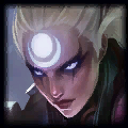
Mayhem vs Normal ARAM: Diana
Diana changes from a patient engage assassin into a much more explosive tempo pick in Mayhem. In normal ARAM, she often waits behind the frontline, tags someone with Q, then commits when the enemy team has spent enough crowd control. In Mayhem, that same patience still matters, but the window closes faster. Enemies rotate spells more often, mobility is higher, and one missed entry can get punished before your team can follow. You are still looking for Q into E access and a high-value R, but you have to read the fight earlier and commit cleaner.
Role and Fight Identity
- Normal ARAM Diana: Usually plays as a diver or burst engage champion. She can start fights, punish clumped carries, or follow another initiator. If her team lacks a frontline, she often has to build and play more carefully because dying first wastes her biggest threat.
- Mayhem Diana: More of a repeat-entry skirmisher when augments and item haste support it. She can threaten backline access more often, but enemies also have more tools to escape, shield, or counter-burst her. You are not just asking “Can I hit R?” You are asking “Can my team damage during the pull, and can I survive the answer?”
In normal ARAM, one huge Diana ultimate can decide a fight outright. In Mayhem, that still happens, but it is less safe to assume the first engage ends everything. A good Mayhem Diana often enters, forces defensive tools, backs out or repositions, then looks for the second punish when the enemy has no clean spacing left.
Skill Use: Less Autopilot, More Layering
- Q is not just poke. In normal ARAM, throwing Q through the wave and fishing for Moonlight is often fine because the pace gives you time to wait for the next angle. In Mayhem, wasting Q can remove your only clean dash target during a fast engage. Use Q when your team is close enough to punish, or when the enemy carry is stepping forward to cast.
- E should not be spent just because Q hit. Normal ARAM players often Q-E instantly on any tagged target. In Mayhem, that habit gets you killed because peel, knockbacks, shields, and counter-engage can arrive immediately. If Q tags a tank standing in front of five champions, hold E unless your team is already moving.
- R needs setup, not hope. Diana’s ultimate is strongest when enemies are already compressed by the map, minion wave, turret pressure, or another ally’s crowd control. In Mayhem, enemies may have stronger escape patterns, so cast R when they have committed forward or when your dash puts you behind them. Pulling three people means little if your team is too far back to hit them.
Skill Order Differences
Normal ARAM Diana usually values consistent Q access because it controls her engage threat and poke pattern. That logic still holds in Mayhem, but the practical priority shifts toward whatever lets you actually fight on the mode’s pace. If your augments and items reward repeated spellcasting, Q uptime and E access feel better because you can create more dash windows. If your build is burst-heavy, your order should support landing one clean rotation rather than poking endlessly from max range.
Do not copy a normal ARAM skill order blindly if the lobby is forcing a different job. Against heavy poke and disengage, you need reliable ways to threaten entry and force movement. Against melee-heavy teams, you can save Q for close-range marks and use W timing to absorb return damage before casting R. The important difference is that Mayhem rewards adapting your spell use to the fight pattern, not just following the most common ARAM leveling habit.
Tempo and When to Fight
- Normal ARAM tempo: Wait for level spikes, item completions, enemy cooldowns, and minion waves. Diana can stand back, farm with Q, and look for one decisive engage near the middle of the lane.
- Mayhem tempo: Fights break out faster and reset faster. You must track who is actually vulnerable right now. A carry with movement tools down is a real target. A clumped team with all defensive spells ready is bait.
The biggest tempo mistake is entering after your team already used everything. In normal ARAM, Diana can sometimes salvage a messy fight with one late ultimate. In Mayhem, late entry often means you dash into enemies who still have enough damage to delete you while your allies are reloading or retreating. If your poke champions just missed their burst, wait. If your support or frontline lands control and your damage dealers are stepping forward, go immediately.
Augment Impact
Augments matter more for Diana than a normal ARAM rune page ever does. In normal ARAM, you roughly know your job from champion select: burst diver, AP bruiser, or engage threat. In Mayhem, augments can push you toward repeated dashes, bigger burst windows, better durability, or stronger follow-up after casting spells. Pick augments that solve the fight in front of you, not just the ones that look flashy.
- If your augment setup increases burst: Play around target selection. Do not waste your full combo on the nearest tank unless killing that tank opens the fight. Mark a carry with Q, enter when their escape is forced, and use R when your team can finish.
- If your augment setup improves durability: You can start more fights, but you still need damage behind you. Dive deep only when allies can step up. A tankier Diana that pulls enemies away from her team often dies slowly instead of winning.
- If your augment setup rewards repeated casting or movement: Play for extended skirmishes. Burn enemy cooldowns with a first threat, then re-enter when they spread badly or chase too far.
Snowball Use
Snowball is useful on Diana in both modes, but the risk profile changes. In normal ARAM, Snowball can be a simple delivery tool: hit a backliner, take it, press R, and hope your team follows. In Mayhem, taking every Snowball is a bad habit. Enemies have more ways to punish predictable delivery, and a Snowball dash that skips your Q setup can leave you without a clean reset path.
- Use Snowball to punish overextension. If a carry steps past their frontline and your team is in range, Snowball gives Diana a direct angle that Q alone may not create.
- Use Snowball as a threat, not always as a dash. Landing it can force enemies to spread or burn movement. If they panic away from each other, you may get a better Q-E angle without taking the Snowball at all.
- Do not Snowball into five prepared champions. If the enemy is standing still, facing you, and saving peel, they want you to take it. Wait for another ally to force a reaction first.
Item and Rune Logic
Normal ARAM Diana often chooses between burst AP and a more durable AP bruiser style. In Mayhem, that choice should be based on how long you are allowed to stay in the fight. If the enemy team has fragile carries and limited peel, burst logic is strong because one clean engage can remove the main damage source. If they have layered crowd control, shields, and bruisers who survive your first rotation, you need enough durability or repeated access to avoid becoming a one-button trade.
Rune logic also becomes less automatic. Normal ARAM pages often reward predictable poke, all-in burst, or sustained fighting. In Mayhem, augments and game pace can change what your runes actually support. If your setup wants frequent engages, choose runes that help you survive and keep pressure after the first dash. If your setup is about deleting one target, choose runes that make that first contact count. The wrong habit is taking a normal ARAM burst page, building full damage, then diving into a Mayhem lobby where every enemy can answer instantly.
Teamfight Spacing
- Normal ARAM spacing: Diana hides near fog, behind minions, or slightly behind the frontline until Q hits. Enemy clumping is common, so she can punish teams that stand too close around the wave.
- Mayhem spacing: You need wider angle discipline. Standing directly in front makes your engage obvious. Standing too far away means your team cannot follow. The best position is usually off-center, close enough to punish a step forward, but not so close that you eat every poke spell before the fight starts.
Do not tunnel on the perfect five-man ultimate. In Mayhem, a clean two-person R on the enemy carries is often better than a desperate dive into the whole team. If enemies are spread, pressure one side and force them to collapse. If they are grouped, make sure your allies are ready before you pull them together. Diana creates the moment, but she does not want to be the only champion playing it.
ARAM Habits That Become Wrong in Mayhem
- Bad habit: Q-E every Moonlight target. In Mayhem, that turns you into a predictable missile. Hold E until the target is valuable or the enemy has spent peel.
- Bad habit: saving R forever for the dream engage. Mayhem fights move too quickly. Use R to win a real skirmish, stop a dive, or secure two priority targets instead of waiting for a perfect clump that never comes.
- Bad habit: taking every Snowball. A landed Snowball is an option, not a command. If your team is not in range, let it expire and keep your life.
- Bad habit: building only for normal ARAM burst. If the lobby has heavy counter-engage, you need a plan after your first rotation. Damage is useless if you die before R finishes creating value.
- Bad habit: engaging from the exact front line. Diana is easier to stop when everyone sees her coming. Use side angles, minion movement, and ally pressure to make the enemy turn late.
The short version: normal ARAM Diana can often wait for one clean Q and turn the game with a single commit. Mayhem Diana has to manage tempo, augments, Snowball threat, and enemy counterplay more carefully. Enter when your team can hit, hold your dash when the target is bait, and treat every fight as a sequence instead of one all-or-nothing button press.