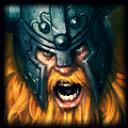
Olaf Mistake Guide
Olaf wins Mayhem fights by turning small openings into forced brawls. Most bad Olaf games come from either missing the first few inputs, or choosing fights where his immunity and healing do not actually solve the problem. Use this checklist to catch the common traps before they lose the whole engage.
Mechanical Mistakes
- Throwing the axe past the target instead of where the fight will move. The wrong action is aiming at the champion model from max range while they are already kiting sideways. The direct consequence is simple: the axe misses, lands too far away, and Olaf loses both chase pressure and repeated slow uptime. The correct action is to aim slightly behind the target’s escape path or into the narrow space they must walk through. If you miss, do not keep running in a straight line forever. Step to pick up the axe only if it does not pull you into five enemies; otherwise back up, wait for the next safe angle, and re-enter with Snowball or a teammate’s crowd control.
- Chasing the axe into the enemy team after the trade is already bad. The wrong action is treating every axe pickup as mandatory. The consequence is that you walk deeper while your backline cannot follow, then you get burned down after your first health swing is gone. The correct action is to pick up axes that keep you parallel with your team, not axes that drag you behind enemy carries and into their supports. If you already overchased, turn sideways toward the nearest wall or minion wave instead of continuing forward. Force enemies to spend more movement and spells to finish you, and give your team a cleaner angle to punish them.
- Using Ragnarok before the enemy has committed key crowd control. The wrong action is pressing ultimate the moment you see opponents on screen. The consequence is that enemies simply walk back, wait out your best window, then control or kite you when you are no longer forcing anything. The correct action is to hold it until you are entering a real kill zone, breaking through a major disable, or committing onto a carry who cannot freely disengage. If you used it too early, stop tunneling. Use the remaining pressure to zone space, take a health pack area, or protect your carries from the enemy front line rather than pretending you still have a guaranteed dive.
- Holding Ragnarok too long and dying with it available. The wrong action is trying to “outplay” every stun, knockup, root, or slow without spending your main tool. The direct consequence is brutal: you get chained before your healing and damage matter, and your team loses its front-line breaker. The correct action is to press it before the control chain removes your ability to choose the fight, especially when you are already in range of priority targets. If you die with it unused once, adjust the next fight by pre-planning the trigger. Pick one enemy spell or one distance marker, and commit as soon as that condition happens.
- Misusing Snowball as a panic button. The wrong action is throwing Snowball at the first visible tank or pressing the dash into a fight you have not read. The consequence is that Olaf arrives alone, burns defensive tools, and gives the enemy carries an easy spacing drill. The correct action is to use Snowball when the hit target gives you a real route to the backline, a safe follow-up after allied engage, or a way to dodge incoming poke before the brawl starts. If you took a bad Snowball in, immediately change the job. Hit the closest safe target, keep moving, and pull the fight toward your team instead of sprinting deeper for a low-chance carry kill.
- Auto-attacking the wrong target during the all-in. The wrong action is swapping targets every second because someone lower health appears nearby. The consequence is that Olaf loses kill pressure, lets multiple enemies survive at low health, and wastes the value of sticking to one victim. The correct action is to choose the target you can actually stay on: usually an exposed carry, immobile damage dealer, or overextended bruiser. If you already split damage badly, stop chasing the lowest health champion if they are unreachable. Turn back onto the enemy closest to your team and secure the numbers advantage instead.
- Ignoring basic attack uptime while spamming abilities. The wrong action is moving, axe throwing, and repositioning so much that you barely attack during your strongest window. The consequence is that your threat looks scary but deals less than it should, and enemies live long enough to kite out. The correct action is to weave attacks whenever you are in range, then use axe and movement to keep that attack range alive. If you notice the target escaping because you overcast, slow down. Hit once, move with them, then throw the next axe to cut off the escape rather than resetting your own damage rhythm.
- Using defensive sustain after the damage has already landed too late to matter. The wrong action is waiting until you are one hit from death before using your survival tools. The consequence is that burst, ignite effects, or layered damage can finish you before the healing window changes the fight. The correct action is to use sustain when you are about to take a committed trade and can keep hitting during it. If you mistimed it late and survived, disengage for a moment instead of instantly re-diving. Let your team take the next spell rotation, then re-enter once your health and positioning are stable enough to fight again.
Decision Mistakes
- Starting fights when your team cannot follow the lane shape. The wrong action is charging from the middle of the lane while your carries are clearing minions, walking back from poke, or trapped behind terrain pressure. The direct consequence is that Olaf creates a fight only he is playing. The enemy collapses on him, then turns on the rest of the team with cooldowns still available. The correct action is to check ally distance before you commit. If your team is two screens back or blocked by minions, use axes to threaten space instead of starting the final run. If you already engaged alone, kite back through your teammates rather than dying behind enemy lines.
- Diving the backline when the enemy front line is the real win condition. The wrong action is forcing past tanks and bruisers every fight just because Olaf can ignore some control during his engage. The consequence is that your carries get run over by the enemy divers while you spend too long chasing someone with peel or mobility. The correct action is to decide whether your team needs a backline diver or a front-to-back shredder before the fight starts. If your backline is under threat, hit the enemy diver first and use your threat to keep them from freely walking in. If you already abandoned your carries, turn immediately when you see them being collapsed on; saving two teammates is usually worth more than a delayed solo chase.
- Picking fights after poke has already removed your margin. The wrong action is engaging at low health just because Olaf can become dangerous in extended combat. The consequence is that you die before the fight becomes extended, especially against burst, execute pressure, or layered damage zones. The correct action is to use minions, brush, health packs, shields, and allied engage timing to enter with enough health to survive the first rotation. If you got chunked and still need to contest, play as a threat wall. Hold the angle, throw axes, and make the enemy respect your re-engage instead of donating yourself as the opener.
- Fighting into obvious disengage without a second layer. The wrong action is running at champions who still have dashes, speed boosts, knockbacks, or terrain control while your team has no follow-up ready. The consequence is that they spend one escape, Olaf loses contact, and the rest of your team is now too far forward. The correct action is to wait for an allied crowd control hit, a missed enemy mobility spell, or a Snowball connection that changes the distance. If the enemy disengages your first attempt cleanly, do not chase the empty space. Reset behind minions, collect your axe if safe, and force them to answer the next wave or objective space.
- Building and augmenting like you are unkillable no matter the lobby. The wrong action is choosing only greedy damage or only generic durability without asking what actually stops you. The consequence is that you either explode before healing matters or fail to threaten targets enough for your durability to have value. The correct action is to match choices to the enemy problem: more staying power when they burst you, more sticking power when they kite you, and more damage only when you can already reach targets. If you realize mid-game that your setup does not answer the lobby, change your play pattern. Peel more if you cannot dive, flank more if you cannot frontally enter, and stop taking isolated coin-flips.
- Ignoring enemy anti-heal and burst windows. The wrong action is assuming every low-health fight favors Olaf. The direct consequence is that healing reduction, focus fire, and burst timing make your “last stand” disappear much faster than expected. The correct action is to track when the enemy has committed their heavy damage and when they are saving it for you. Enter after key spells land on someone else, or force them to waste damage into your ultimate timing and movement. If you get baited and melted, do not repeat the same center-lane sprint. Approach from the side, wait for allied initiation, or play shorter trades until their cooldowns are less stacked.
- Overvaluing kills and undervaluing space. The wrong action is chasing a low-health champion to the enemy side of the map while your team could take a health pack, push the wave, or finish the remaining enemies. The consequence is that Olaf may get one kill but loses the larger fight structure, often dying after the chase. The correct action is to ask what your body is denying. Standing between enemies and your carries can be more valuable than a risky execute. If you already chased too far, do not keep going because the target is almost dead. Turn back as soon as the enemy reinforcements appear, and use your remaining health to block their counter-engage.
- Taking every death as a failed engage instead of reading why it failed. The wrong action is respawning and repeating the same run because Olaf is “supposed” to go in. The consequence is a chain of predictable deaths where enemies save the same tools for you every fight. The correct action is to identify the exact failure: missed axe, bad Snowball, early ultimate, no ally follow-up, wrong target, or entering too low. If the mistake was mechanical, simplify the next fight and hit the closest good target. If it was decision-based, wait longer, enter from a different angle, or protect your backline first. Olaf is at his best when the enemy knows he is coming but cannot choose a clean answer.