Practical Match Tips
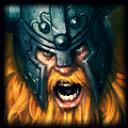
Olaf wins Mayhem fights by choosing the moment when the lane is already messy. Do not open every fight by sprinting in from full vision. Let poke, minions, pets, traps, and frontliners create clutter first, then use that clutter to hide your angle. If you walk straight down the center before anyone commits, the enemy team gets to kite backward in a clean line and you spend your best window just reaching them.
Engage
- Start fights when a priority target has already used movement or crowd control. Olaf can force through a lot, but he still hates chasing a champion that saved every dash, knockback, and speed boost for him. Watch for the first escape tool, then commit immediately before they reset their spacing.
- Use axes to make the enemy choose between losing space or taking the all-in. Throwing an axe through the lane before you run in can create a short punish window: if they sidestep wide, your team gains lane room; if they stay grouped, you have a path to follow. Do not throw it so far that you cannot pressure after it lands.
- Commit hard only when your team can actually follow. Olaf looks self-sufficient, but in Mayhem a five-man focus can erase even a fed diver if he arrives alone. If your backline is clearing a wave, buying items, or dodging poke, hold the engage and threaten from the side instead.
- Ragnarok-style all-in windows should be used to pass through control, not to start a doomed chase. If the enemy has layered stuns, roots, fears, or knockups ready, wait until those effects are about to matter, then activate and keep moving toward the carry. Burning your immunity while still outside threat range gives the enemy an easy retreat.
Counter-Engage
- Olaf is excellent when the enemy dives first. If assassins or bruisers jump your backline, turn on them instantly instead of chasing the enemy marksman across the lane. A diving target has already spent mobility, is closer to your team, and cannot kite you through the full length of the bridge.
- Stand one step ahead of your carries when the enemy has hard engage. You want to be close enough to punish the diver, but not so far forward that you get poked out before the fight starts. When the enemy commits, move through the first target and force their backline to choose between helping the diver or backing away from you.
- Do not waste your anti-control window on soft pressure. If the enemy only throws light poke or a slow that does not start a kill, absorb it normally or back off. Save the big commit for the moment their actual engage lands, because that is when ignoring crowd control changes the fight.
Escape and Recovery
- Your escape is usually forward pressure, not clean disengage. If you are caught in the middle of the lane, turning to run can expose you to every projectile. Sometimes the safer play is to hit the nearest champion or minion, force them to respect your damage, and walk out after they create distance.
- Use bushes and side walls to break target focus. When your health drops and your major tools are down, do not drift backward in the open. Move into brush, behind minions, or around the side of the fight so skillshots lose clean angles and the enemy has to step into your team to finish you.
- If you survive at low health, reset your role immediately. Stop frontlining until sustain, shields, or the next wave gives you a new window. A low-health Olaf can still threaten a counter-kill, but only if the enemy oversteps. Do not donate the shutdown by walking back into five champions with no cooldowns ready.
Narrow-Lane Spacing
- Never stand directly in front of your entire team against poke. Olaf can bait skillshots, but if you absorb them while your backline is stacked behind you, the enemy gets value anyway. Offset to one side of the minion wave so missed projectiles do not continue into your carries.
- Use the side brush as a threat zone, not a hiding place forever. If you sit unseen while your team loses wave control, you give up pressure. Step in and out of brush to make enemy carries respect Snowball and axe angles, then return to the wave when your team needs help clearing.
- Against heavy zone control, avoid fighting in the exact center. Traps, walls, ground effects, and slows are strongest when they cover the only path forward. Start from the side, force the enemy to turn, and make their backline reposition before you fully commit.
Target Priority
- Your best target is the high-value champion who cannot leave after you reach them. This is usually a marksman, artillery mage, enchanter, or reset assassin after mobility is down. If the enemy carry still has every escape ready, pressure the nearest damage dealer first and wait for a better angle.
- Do not tunnel the tank unless the tank is the fight. Hitting a frontline champion is correct when they are isolated, low, or blocking your path during counter-engage. It is bad when their backline is free-hitting and you have a route around them.
- Kill secure only when it keeps your momentum. Chasing a low-health support behind the enemy team can drag you away from the real threat. If finishing the target costs your life and leaves the enemy carry untouched, swap targets and keep pressure in the main fight.
Snowball Timing
- Snowball is strongest after the enemy has committed to a direction. Throw it when a carry steps up to poke, when a diver lands in your team, or when someone is forced into a narrow dodge path. Random max-range Snowballs from neutral often just warn the enemy to spread.
- Do not always take the second activation instantly. If the marked target retreats into five teammates, wait a beat and check whether your team can follow. Taking Snowball late can dodge incoming skillshots, extend your engage, or let you arrive after the enemy has wasted peel on your frontline.
- Use Snowball as a bridge, not a full plan. Marking a target gets you in, but you still need your anti-control window, axe pressure, or team damage to finish the play. If those pieces are not ready, hold Snowball for counter-engage or a punish on a mispositioned carry.
Augment Trigger Windows
- Plan augments around the moment you become targetable and dangerous. If an augment rewards entering combat, repeated hits, low-health fighting, shielding, healing, or takedowns, your best trigger window is usually after the enemy has spent their first peel tool and before your team’s damage lands. That is when Olaf can stay glued to a target instead of being kited immediately.
- Do not trigger defensive augments too early into poke. If the enemy is only chipping you from long range, back up or use minions. Save defensive value for the real brawl, where it buys enough time to reach a carry or survive the return burst.
- If your augments reward takedowns, play the first kill patiently. Hit the reachable target, force cooldowns, and let your team help finish. Diving past everyone for a perfect carry kill can delay your first reset or proc so long that you die before the build turns on.
- If your augments reward sustained combat, avoid short fake trades. Step in when you can keep hitting something. A minion, frontline, or trapped diver can maintain combat long enough for you to enter the next part of the fight with your bonuses already active.
Push and Pull Rhythm
- Help push when your team needs lane control, but do not spend your whole health bar clearing. Olaf can threaten enemies near the wave, so stand where your axe and body position make them choose between clearing and getting engaged on. If you are low before the objective fight even starts, you have lost your main job.
- When ahead, pull the wave slightly toward your side before engaging. This gives your team room to chase after you force a retreat. If you engage under their structure or deep into their side with no minion support, the enemy can kite backward forever while you take focused damage.
- When behind, clear first and fight second. Do not sprint into the enemy just because you are Olaf. Let the wave come in, remove minions, and look for the opponent who steps too far forward to harass. Behind-state Olaf wins by punishing greed, not by forcing clean five-on-five fights into stronger items.
Dive Timing
- Dive only when the enemy backline is already split or trapped near terrain. If all five enemies are healthy, grouped, and waiting, you become the target instead of the threat. The best dives happen after poke lands, after Snowball connects, after an ally forces a flash or dash, or after the enemy frontline moves too far forward.
- Track peel before you dive past the first champion. Knockbacks, polymorph-style effects, suppressions, heavy slows, exhaust effects, and displacement tools all change your route. Your control immunity may solve some problems, but not every form of damage denial or repositioning. If the enemy still has multiple answers, hit the nearest target until one is spent.
- Exit through the enemy, not back through their whole team, when the dive succeeds. After a kill, keep moving to the side brush, health relic area, or next low-health target. Turning around through five champions often gives them a straight line to finish you.
Behind-State Damage Control
- When behind, become a punish tool instead of the primary engage. Stand near your strongest damage dealer and attack whoever enters their range. This denies assassins and bruisers the free backline access they need to snowball harder.
- Build your fights around enemy mistakes. A carry walking up to hit tower, a mage stepping past minions to poke, or a tank engaging without follow-up is your signal. If no mistake appears, clear waves and preserve health until your team has cooldowns ready.
- Trade your health for space only when your team gains something real. Soaking poke is fine if it lets your team take a relic, clear a wave, or finish a low target. Soaking poke while nothing happens just removes your future engage threat.
- Accept short wins. Forcing a key enemy ultimate, peeling a diver, saving your carry, or making the enemy back off the wave can be enough. Olaf does not need a highlight dive every fight; in a losing game, one controlled counter-engage can create the first clean reset your team needs.