Mayhem vs ARAM Comparison
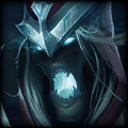
Karthus in normal ARAM is already happy to trade his life for damage, but Mayhem makes that idea sharper and more dangerous. The pace is faster, enemies get more mobility or durability from augments, and fights break open sooner. You are still a sustained magic damage threat with a global execute angle, but you cannot play Mayhem like a slow poke mage waiting for perfect Requiem value. If you stand too far back, the fight may be decided before you matter. If you dive without a plan, enemies may simply kite your passive zone and cash in on your death.
Role: from backline artillery to controlled damage bomb
In normal ARAM, Karthus can often sit behind the wave, land Lay Waste, use Wall of Pain to slow a push, then press Requiem after both teams have already traded health. In Mayhem, that passive style is less reliable because teams have more ways to force, reset, or survive. Your role shifts toward controlled area damage: you walk up when your frontline commits, turn on Defile when enemies must pass through a choke, and make dying costly only when your team can follow up.
The big difference is intent. In ARAM, a “good death” can be as simple as dying in the middle of three people. In Mayhem, a good death needs a condition: enemy dashes used, allied engage already started, or a low-health target trapped near your body. If enemies still have movement tools or disengage augments ready, they can step out of your damage and punish your team while you are stuck in passive form.
Skill use: less fishing, more zoning
- Lay Waste: In normal ARAM, you can fish with Q constantly because the lane is narrow and teams often walk predictably around minions. In Mayhem, players move faster around fights and augments can change threat ranges, so use Q to control where enemies want to stand rather than only chasing isolated hits. Cast it behind a retreating target, on a choke entrance, or where an enemy marksman must step to keep attacking.
- Wall of Pain: In ARAM, Wall is often used as poke setup. In Mayhem, save it more often for the punish window. Drop it after an enemy commits forward, not before they decide. If you throw it too early, mobile champions may wait it out, dash over the side angle, or force while it is unavailable.
- Defile: Normal ARAM lets you toggle Defile for waveclear and close trades. In Mayhem, mana and positioning mistakes get punished harder because fights chain quickly. Turn it on when you are actually in threat range or when enemies are forced to walk through you. Do not bleed resources just because minions are nearby.
- Requiem: In normal ARAM, Requiem often cleans up after poke. In Mayhem, check for shields, heals, stasis-like saves, and augment-based survivability before pressing it. The best cast is not always the earliest cast. Wait until defensive reactions are spent or until your team has spread damage across multiple targets.
Skill order: same core idea, stricter purpose
Normal ARAM Karthus usually values Q damage first because it is his most flexible lane and fight tool. That logic still holds in Mayhem unless your augment path or team plan clearly pushes you into constant close-range fighting. The difference is that every point needs to support how the match is actually being played. If your team has engage and enemies cannot ignore the frontline, Q-first pressure lets you soften targets before the crash. If both teams are brawling nonstop and you are repeatedly dying inside the enemy formation, Defile value rises in practice even if you still prioritize Q for control.
Do not auto-pilot skill usage just because the order looks familiar. Mayhem rewards adapting your spell pattern more than changing the whole champion. If enemies are dodging Q cleanly but must cross your Wall to reach carries, Wall timing may win more fights than one extra poke hit. If your frontline never starts fights, you may need to hold closer to minions and force trades with Q angles instead of walking in alone.
Tempo: Mayhem gives fewer quiet waves
Normal ARAM has more breathing room. You can clear, poke, lose some health, and still wait for the next wave. Mayhem compresses that rhythm. Fights start faster, resets matter more, and one messy death can turn into a long push because the enemy team may have stronger chase or siege tools from augments.
That means Karthus should treat each wave as a setup for the next fight. Clear when your team needs space, but do not stand in the open just to finish a few minions. If your ultimate is available and enemies are already low, play closer to your team so your damage lands before they escape. If Requiem is down, you need cleaner positioning because your death has less global payoff.
Augment impact: your build identity can change mid-match
In normal ARAM, Karthus mostly builds around magic damage, mana comfort, ability haste, and survivability when needed. Mayhem augments can push him into different versions of the same job. Damage-focused augments make your poke and passive threat scarier, but they do not excuse bad entries. Survivability or sustain augments let you stand closer and extend Defile value, but they do not make you a true tank. Utility or movement augments can help you reach better death positions, but diving still needs allied pressure.
The biggest Mayhem mistake is reading an augment as permission to ignore counterplay. If the enemy has heavy shields or burst mitigation, your Requiem becomes a finisher after resources are forced, not a panic button. If they have speed or dash tools, your passive zone needs crowd control support from teammates. If your own augments reward repeated spell casts, fight around safe Q angles and Wall traps instead of sprinting into five people for one dramatic death.
Snowball use: not every mark is an invitation
In normal ARAM, Karthus can use Snowball aggressively because dying in the enemy team often creates value. In Mayhem, Snowball is more conditional. Use it when the target has already committed, when your team is close enough to follow, or when landing on the target puts your corpse in a choke they cannot easily leave. A Snowball into a mobile backline with no allied engage is usually just a donation.
Snowball is also a defensive repositioning tool. If an enemy tank marks in and your team is collapsing, you can sometimes throw Snowball at a safer forward target or minion angle to reposition into a better damage zone. The key is to think about where your body ends up. Karthus does not need to survive every engage, but he does need his death location to matter.
Item and rune logic: less autopilot, more matchup reading
Normal ARAM Karthus often leans into heavy AP and magic penetration because constant fighting gives him many damage windows. In Mayhem, that still works when enemies are squishy or when your team can force them to stay in your damage. Against heavy healing, shielding, or durable frontlines, you may need earlier anti-sustain or more sustained-damage tools instead of only chasing the biggest ultimate number. If assassins or divers repeatedly reach you before the fight starts, a defensive item can create more total damage than another greedy purchase.
Rune logic follows the same rule. Damage runes are great when you can reliably land Q and finish with Requiem. Scaling or sustain-oriented choices feel better when fights are long and you can keep casting. Defensive value matters more in Mayhem than players expect because surviving two extra seconds before passive can let you place Wall, reposition Defile, and force enemies to spend movement before you die.
Teamfight spacing: close enough to punish, far enough to choose
In normal ARAM, Karthus can often stand at max range until someone makes a mistake. In Mayhem, max range can become useless if the fight instantly moves past you. Stand one step behind your engage or beside your peel support, not miles behind your carries. You want to enter the fight after enemies have chosen a direction. That is when Wall cuts off escape and Q becomes easier to land.
Your spacing should change based on enemy threat. Against poke comps, use minions and side angles to trade Q without giving free engage. Against dive comps, hold Wall until the diver crosses the halfway point, then punish their exit path. Against ranged carries with speed tools, do not chase in a straight line. Place spells where they must kite, and let your frontline herd them into your damage.
ARAM habits that become wrong in Mayhem
- “Just die in the middle.” Wrong if enemies can instantly leave your passive zone. Die where they are trapped, slowed, or already fighting your team.
- “Press Requiem as soon as someone is low.” Wrong if shields, heals, or defensive augments are still ready. Force those first, then cast.
- “Snowball hit means take it.” Wrong when your team is too far away or the target can drag you into a bad death. Check follow-up before recasting.
- “Build full greed every game.” Wrong when divers delete you before you cast enough spells. One survival choice can add more damage than another glass-cannon item.
- “Clear every wave with Defile.” Wrong when the next fight starts immediately after. Save resources and position for the fight, not just the minion score.
- “Stand far back because you are a mage.” Wrong when Mayhem tempo makes fights happen ahead of you. Karthus needs controlled proximity, not passive distance.
The Mayhem version of Karthus is not a different champion; he is a less forgiving one. Normal ARAM rewards constant poke and fearless deaths. Mayhem rewards choosing the exact death that wins the fight. Land Q to shape movement, hold Wall for the commit, use Snowball only when the landing spot is valuable, and cast Requiem after enemy defenses are strained. If you treat every fight like a planned damage zone instead of a suicide race, Karthus stays terrifying even in the faster mode.