Practical Match Tips
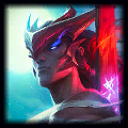
Play Yone like a threat with a return ticket, not like a frontliner. Your best trades start when the enemy has already spent a key stop tool, your Q is close to the knock-up version, and your team can follow the line you are about to create. If you walk up first with no shield, no stacked Q, and no escape path, ranged champions will chip you down before the fight even starts.
Engage Pattern
- Stack before you start. Use minions, pets, or a safe frontline target to prepare your Q knock-up before committing. If you enter with an unstacked Q, you usually need too much time in enemy range, and that gives them a clean window to root, exhaust, or burst you.
- Use E to test the fight. Cast E from a spot your team can protect, then move forward to threaten Q knock-up or ultimate. If the enemy instantly backs away, you gained space. If they throw major crowd control at your spirit body, snap back or sidestep first instead of forcing the combo.
- Do not open every fight with ultimate. Yone’s ultimate is strongest when enemies are already lined up, slowed, knocked up, or trapped near terrain. If you fire it from max distance into five ready opponents, one dodge or peel spell turns your engage into a free death.
- Attack from the side of the lane when possible. In ARAM’s narrow lane, a straight center-lane dash is easy to read. Stand slightly off-angle behind your minion wave, then use stacked Q or E movement to cut across the enemy backline’s retreat path.
Counter-Engage
- Let impatient divers enter first. Yone is excellent at punishing champions who dash into your team and lose their exit. Hold stacked Q or ultimate until they commit, then knock them up while your carries are still able to hit.
- Use W before the damage lands, not after you are already low. If an assassin, bruiser, or Snowball user is about to connect, cast W during their approach to soften the trade and keep enough health to answer with Q and autos.
- Save ultimate when the enemy has a reset champion. If a reset carry is waiting for one low-health ally to die, your ultimate can interrupt their cleanup path. Do not waste it on a tank if the real danger is a backline champion waiting behind them.
- Snap back when the enemy turns as five. During E, watch their body language. If multiple champions stop retreating and face you, they are baiting your greed. Take the short trade, return, and let their cooldowns expire before re-entering.
Escape and Recovery
- Place E from safe ground. Your return point matters more than the distance you travel. If you cast E while standing in a choke, beside a low-health turret, or in range of a hook champion, your snapback can become predictable and punishable.
- Use Q movement defensively. A stacked Q is not only an engage button. Use it sideways through minions or toward your team when you need to dodge a binding, skillshot stun, or heavy poke line.
- After snapback, keep walking. Many players return with E and immediately stop to auto. That is when delayed skillshots and follow-up crowd control hit. Snap back, move behind your frontline, then decide if the fight is still playable.
- If you are marked by Snowball, do not stand on your carries. Move to the side so the incoming enemy has to choose between following you into a bad angle or landing away from your damage dealers. If they take the dash, punish with Q knock-up or ultimate as they arrive.
Narrow-Lane Spacing
- Respect poke before minion waves meet. Yone has tools to enter, but he still loses health quickly if he eats free skillshots while waiting. Stand behind minions against hooks and linear poke, then step forward only when you are ready to stack Q or threaten E.
- Do not trap yourself against walls. In the middle of the bridge, side movement is limited. If you hug terrain while enemy crowd control is ready, you make your dodge pattern obvious. Keep enough space to angle Q or retreat after W.
- Fight in waves when you can. Minions give you Q setup and can block some skillshots. If your wave is gone and the enemy wave is healthy, wait a moment unless your team has a clear engage. Charging into a full wave slows your access to backline targets and exposes you to poke.
- Use the lane’s narrow shape for multi-target ultimates. When enemies group behind their frontline, threaten from an angle that forces them to split. Even if you do not cast, making three champions step back can give your team room to clear or hit turret.
Target Priority
- Hit the target you can kill, not always the target you want. If the enemy carry has peel, shields, and flash-like movement ready, forcing through them can waste your whole E window. Cut down the exposed mage, support, or low-health bruiser first if they are easier to reach.
- Backline access is best after peel is spent. Track the enemy’s knockbacks, polymorph-style denial, suppression, roots, and exhaust effects. Once those are used on your frontline or whiffed into the wave, your E into Q or ultimate becomes much safer.
- Do not tunnel tanks unless they are isolated. Yone can damage durable targets over time, but standing in front of five enemies to hit a tank usually loses the fight. If the tank steps too far from their team, punish them; if not, use them to stack Q and threaten the carries behind.
- Finish low targets during E, then return before the collapse. Your spirit form gives you a strong execute-style trade pattern, but greed kills. If the target survives and their team turns, snap back and let your team’s poke finish the job.
Snowball Timing
- Snowball is best after you already have a plan for the landing. Marking a carry is not enough. Before taking the dash, check whether Q is stacked, W is available, E can be used safely, and your team is close enough to follow.
- Use Snowball to extend, not replace, your engage. A strong pattern is to threaten with E first, force movement, then use Snowball if the target burns their escape or gets separated. Taking Snowball blindly into five champions usually gives them a free focus target.
- Hold Snowball against slippery champions. If the enemy has dashes or blinks, wait until they use one. A delayed Snowball punish is much stronger than an early mark that gets wasted when they reposition behind their team.
- When behind, use Snowball defensively or for cleanup. You do not need to start every fight. Mark a diver who enters your team, take the dash only if they are trapped, and use the extra gap close to secure a shutdown instead of donating another death.
Augment Trigger Windows
- Build your fight around what your augments ask you to do. If your augments reward repeated attacks, look for longer trades after enemy burst is spent. If they reward ability hits or engage timing, wait for stacked Q and grouped targets instead of poking randomly.
- Trigger offensive augments during E windows when the return point is safe. This lets you commit hard, gain the benefit, then snap back if the enemy survives. If your return point is exposed, the same trigger window can turn into a forced death.
- Use defensive augment windows when enemy burst starts. If an augment gives durability, healing, shielding, or temporary safety, do not waste it while clearing minions. Save it for the moment a diver lands, a hook connects, or you begin a real all-in.
- Do not chase an augment proc into bad spacing. Mayhem fights get chaotic, and it is easy to overvalue one trigger. If the enemy retreats under turret or into five-man peel, take the space, clear the wave, and reset your angle.
Push, Pull, and Dive Rhythm
- Push after winning a trade, not before your team can stand up. If you chunk two enemies with E and force them back, help clear the wave so your team can hit turret. If your carries are low, pulling back is better than starting a messy dive.
- Pull when your Q is not ready and enemy cooldowns are up. Yone without setup is much easier to punish. Give ground, stack on the incoming wave, and re-engage when you have knock-up pressure again.
- Dive only when the first crowd control is guaranteed or the target cannot kite. A good dive starts with enemy peel missing, your team’s wave under turret, and a clear exit through E snapback or a won fight. A bad dive starts because one enemy is low and four teammates are waiting behind them.
- After a won fight, do not chase past the next wave if objectives are free. Yone can hunt, but ARAM rewards structure damage and wave control. Take turret pressure when the enemy is dead or recalling, then reset your position before the respawn collapse.
Behind-State Damage Control
- When behind, stop being the first body in. Your job becomes counter-engage, wave assistance, and cleanup. Let the enemy overextend into your team, then use Q knock-up or ultimate on targets who cannot instantly kill you.
- Trade shorter with E. Go in, force a defensive spell, land one clean sequence, and return. Repeating safe chip trades is better than one desperate all-in that gives the enemy more gold and map control.
- Protect shutdowns on your team. If your carry is strong, stand near them with stacked Q and punish anyone who dives. You do not need to be the main damage source every fight; peeling one assassin can win more than diving into a shielded backline.
- Clear waves without bleeding health. Use Q and W carefully, but do not walk into five champions just to hit minions. If your team needs to wait for respawns or key cooldowns, preserving health is the play that keeps the next fight possible.
- Look for the one clean punish. Behind Yone still threatens grouped enemies if they waste crowd control or stack in a line. Hold your engage until that mistake appears, then commit with your team. If the angle is not there, survive, farm the wave, and make them start the bad fight.