How to play when ahead
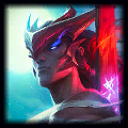
When your team has the first health lead or a numbers advantage, stop fishing from max range and start controlling the next screen. Yone is very good at turning one won trade into a forced fight, but he also throws leads by entering before his team can hit the same target. Hold the wave near the enemy side, stack your engage threat, and make the enemy carry choose between walking up for minions or giving you a clean angle.
- Trigger: an enemy carry steps past their front line or uses their main escape. Action: mark that champion as the next target and engage only if your team is close enough to follow. Use your knock-up setup to start the chain, then commit with your longer engage after they have burned movement or crowd control. Consequence: if you layer everything at once into an untouched target, they can flash, dash, cleanse, or get peeled while your body is too deep to save.
- Trigger: your team wins a trade but nobody dies. Action: do not instantly dive the relic side or turret line. Push the minion wave first, then threaten from behind the wave where skillshots are harder to line up on you. Consequence: a low enemy team under their structure is still dangerous if you enter without minions, because your return path becomes predictable and their crowd control can be saved for your exit.
- Trigger: you have a combat augment that adds durability, shielding, healing, or damage reduction. Action: you can take the first contact more often, especially if the enemy lacks instant lockdown. Use the extra buffer to draw spells, then return or reposition before the second wave of damage lands. Consequence: these augments let you survive the entry, not ignore five champions. If you keep autoing after every defensive layer is gone, the lead disappears fast.
- Trigger: you have a mobility, dash, movement speed, or reset-style augment. Action: play wider angles instead of standing in the front-to-back lane. Enter from the side when the enemy backline is already looking at your tank or mage. Consequence: mobility augments cover Yone’s biggest punish window, which is being kited after the first engage, but they also tempt you into chasing too far from your team. If your allies cannot see or reach your target, the chase is not a play.
- Trigger: your ultimate or full engage is available and the enemy team is grouped. Action: wait for a narrow line or a panic clump rather than forcing the first target you see. In Mayhem fights, enemies often stack around relics, minions, and low-health allies; that is when Yone’s engage becomes fight-winning. Consequence: if you use it only to hit the nearest tank while the carries are untouched, you may still win the trade, but you lose the pressure that should have ended the fight.
- Trigger: enemy crowd control is on cooldown or aimed at someone else. Action: enter immediately and make the fight happen before those tools come back. Your ahead state is strongest when you punish missed hooks, stuns, charms, knock-ups, or suppressive peel. Consequence: if you wait too long after they miss, the window closes and your next engage becomes a coin flip into ready spells.
Ahead Yone should force awkward reactions, not heroic 1v5s. Use your lead to make the enemy spend defensive tools early. Dash in, threaten the carry, make them flash or burn peel, then either finish with your team or reset the fight with better health bars. A good ahead fight often looks controlled: one engage, one retreat or reposition, then a second commit after the enemy has no answer.
How to avoid throwing the lead
- Do not engage when your minion wave is dead and your team is clearing. The enemy gets a clean view of your angle, and your allies lose the easiest way to walk forward. Wait a few seconds, let the next wave arrive, then pressure behind it.
- Do not chase a low-health target through their whole team if the main fight is still even. Kill pressure is only valuable if you can return or your team can win the 4v4 behind you. If the chase pulls you past multiple enemies, take the health advantage and turn back.
- Do not spend all engage tools just to start a fight against a tank with defensive augments. Hit the tank when you must, but save your big commitment for the moment a backliner steps close or loses peel. A fed Yone killing a tank slowly is exactly what the enemy wants.
- Do not ignore shutdown risk. When you are worth a lot, your death can reset the game. If you have to choose between a flashy trade kill and living with pressure, live. Your next engage with items, augments, and tempo is worth more than a one-for-one.
How to play when behind
When behind, Yone has to stop being the opener unless the enemy gives a clear punish window. Your job becomes wave control, cooldown tracking, and follow-up. You still have threat, but you cannot afford to be the first body caught by every stun and burst spell. Let a teammate start, let the enemy waste key tools, then enter after the fight has shape.
- Trigger: the enemy has item, level, or augment advantage and is standing together. Action: do not full-send into the center. Farm safely, build your knock-up threat, and look for side angles only after they use crowd control on your frontline. Consequence: if you engage first while behind, you usually spend your whole kit just to reach them, then die before your damage matters.
- Trigger: your team is losing wave control. Action: help clear minions before fishing for champions. Yone needs space to move, and a pushed-in lane makes every entry shorter, more obvious, and easier to punish. Consequence: if you fight with no wave and no vision of enemy cooldowns, you are choosing the worst possible version of the fight.
- Trigger: an enemy diver jumps onto your backline. Action: peel first instead of forcing their carries. Yone’s knock-up and burst threat can punish a diver who has already committed. Consequence: killing or chunking the diver stabilizes the fight; ignoring them often means your carries die before your flank reaches anything useful.
- Trigger: you have defensive, sustain, shield, or tenacity-style augments while behind. Action: use them to take controlled trades, not desperate all-ins. Step in for damage when your shield or sustain can actually absorb the return hit, then back out and repeat. Consequence: these augments cover your weak recovery phase by letting you survive poke and short trades, but they do not fix bad target selection into five ready enemies.
- Trigger: you have damage, execute, crit, on-hit, or attack-speed focused augments while behind. Action: play as a follow-up carry. Wait until someone else locks a target or forces defensive spells, then commit your damage while the target cannot kite freely. Consequence: offensive augments can bring you back quickly, but only if you get uptime. Dying at the start of the fight wastes the one thing those augments give you.
- Trigger: you have mobility or reposition augments while behind. Action: use them to dodge the first punish and create a second angle, not to start from farther away. A behind Yone wins by entering after the enemy has looked the wrong way. Consequence: if you use extra mobility to dive deeper before your team is ready, you remove your own escape plan.
Behind Yone should look patient and annoying. Take small health wins. Force the enemy to spend spells to stop a half-commit. If they miss, that is your green light. If they hold everything, back out and make them keep respecting you while your team clears the wave. The comeback usually starts when the enemy overchases your return path or clumps too tightly while trying to finish you.
How to avoid unrecoverable fights
- Do not engage just because your ultimate is available. Behind, your ultimate is often better as follow-up or counter-engage. If the enemy still has all peel tools ready, wait until one is used or until your teammate creates a forced angle.
- Do not fight after losing a teammate unless the enemy is trapped, low, or missing key cooldowns. Yone can clean up messy fights, but he is not a magic fix for a doomed 4v5. Clear wave, give space, and look for the enemy mistake after they overextend.
- Do not return to the same engage pattern after getting caught. If the enemy is saving one stun or displacement for your entry, change the timing. Let your frontline walk first, enter from a different side, or wait for that spell to hit someone else.
- Do not tunnel on the fed carry if reaching them costs your whole health bar. Kill the closest valuable target when the backline is untouchable. A clean kill on a diver or support can reset the fight and open the carry later.
- Do not greed for relics or low-health bait while your escape tools are unavailable. Enemy teams love using relic space to force predictable movement. If you cannot survive the first crowd control chain, give the relic and keep your death timer off the board.
The simple rule is this: ahead, make them answer you; behind, answer their mistakes. Yone is at his best when he enters on a real window and leaves before the enemy gets a clean punish. Augments can stretch those windows, cover durability, add mobility, or give damage to finish fights, but they do not replace discipline. If the fight cannot be followed, cannot be reset, or starts with every enemy cooldown ready, pass on it and wait for the next mistake.