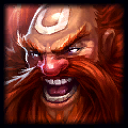
Gragas Mistake Guide
Gragas is forgiving because he has sustain, displacement, and a dash, but Mayhem punishes sloppy Gragas harder than it looks. Most bad games come from using Body Slam and Explosive Cask as “cool buttons” instead of saving them for a real purpose. Treat every engage as a trade: if you spend your dash, your disengage is gone; if you spend your ultimate, your team loses its best reset tool.
Mechanical Mistakes
- Wrong action: Throwing Barrel Roll at max range and instantly detonating it every time. Direct consequence: You get low damage, no zoning value, and enemies walk forward because the barrel never threatens space. Correct action: Place the barrel where enemies want to stand, then let it sit when they are forced to choose between backing up or taking the hit. Use instant detonation only when the target is already locked down or about to leave the area. Recovery: If you wasted it, stop fishing for another poke trade immediately. Step back, hold Body Slam, and let your team cover the wave until Barrel Roll is available again.
- Wrong action: Body Slamming straight into the front line without checking who can interrupt, block, or punish you. Direct consequence: You get stopped in the middle of the enemy team, lose your escape, and become an easy focus target. Correct action: Use Body Slam from angles, after enemy crowd control is spent, or as a short-range punish when someone oversteps. If the enemy has strong peel, use it defensively to interrupt their engage instead of starting yours. Recovery: If you dash in and get stuck, do not panic-ult instantly. Use Explosive Cask only if it separates the main damage dealers from you or knocks a priority target into your team. If that is not possible, walk toward your side and save Flash or Snowball for the last moment.
- Wrong action: Casting Explosive Cask behind the enemy without thinking about the knock direction. Direct consequence: You accidentally save the target, push a carry out of allied damage, or scatter enemies so your team’s combo misses. Correct action: Aim the cask based on the result you want: knock a carry toward your team, split a tank away from their backline, or push divers off your own carry. Before casting, picture where the enemy will land. Recovery: If you launch a target to safety, stop chasing alone. Ping the retreat, reset the fight shape, and use your next Body Slam to peel instead of trying to force a second miracle engage.
- Wrong action: Using Drunken Rage in full vision while walking forward with no cover. Direct consequence: The enemy reads your engage timing, backs up, or hits you before you can deliver the empowered attack. Correct action: Prepare it while behind your minion wave, in fog, or while your team is already threatening. Then step up when enemies are busy dodging other spells. Recovery: If the window passes, do not walk in just to “use” the empowered hit. Let it go, reposition, and wait for a better opening rather than donating health for a small trade.
- Wrong action: Combining Snowball, Body Slam, and ultimate too quickly with no read on enemy movement. Direct consequence: You overshoot, miss the collision, and waste your full engage package while the enemy team turns on you. Correct action: Let Snowball mark create pressure first. If you take it, decide before arrival whether you are engaging, peeling, or just threatening. Body Slam should confirm the play, not be thrown blindly after landing. Recovery: If you take Snowball into a bad spot, use Explosive Cask to break enemy formation and retreat through your team. If ultimate is not enough, Body Slam sideways rather than deeper forward.
- Wrong action: Holding Explosive Cask forever because you are waiting for the perfect five-man knockback. Direct consequence: Your team loses a winnable skirmish while your strongest tool sits unused. Correct action: Use the cask for the fight that actually matters: cancelling a dive, isolating one carry, saving an ally, or forcing enemies off a low-health objective area. A clean one-target displacement can win more fights than a greedy highlight attempt. Recovery: If you hesitated and an ally died, stop looking for revenge. Play the next wave slower, protect the remaining damage dealer, and save the next cask for peel unless the enemy gives you a free pick.
- Wrong action: Flashing or dashing for a Body Slam angle when your team is too far away to follow. Direct consequence: Even if you hit, the target survives because no one can damage them, and you burn a major mobility tool. Correct action: Check ally range before committing. Gragas engage is strongest when the target lands inside allied damage, not when you reach them alone. Recovery: If you blow mobility and get nothing, announce the downtime through your movement: stand behind your bruisers or carries, clear safely with Barrel Roll, and do not contest the next poke line like you still have an escape.
Decision Mistakes
- Wrong action: Building or playing as if you are the only carry when your team needs a front line. Direct consequence: You deal some burst, then your backline dies because nobody absorbs the engage or disrupts divers. Correct action: Match your role to the lobby. If your team already has damage, play as a disruptive tank or bruiser and use your spells to create safe damage windows. If your team lacks threat, look for controlled burst picks, but still respect your escape limits. Recovery: If your early choices leave the team too fragile, change your play first. Stop starting deep fights, peel more often, and prioritize survival tools or durability when your next upgrade choice allows it.
- Wrong action: Engaging because you landed poke once. Direct consequence: You start a fight before the enemy is actually low or before key defensive tools are gone, and your team gets dragged into a bad trade. Correct action: Use poke to create a pattern, then engage only when a target is low enough, displaced from allies, or missing their main answer. Gragas is much better at punishing bad positioning than forcing clean front-to-back fights from nothing. Recovery: If the engage fails and enemies are still healthy, call off the chase with your positioning. Stand between them and your carries, not between them and their fountain.
- Wrong action: Always diving the enemy backline while ignoring the diver on your own carry. Direct consequence: Both teams trade access, but your carry often dies first because Gragas peel is immediate and reliable when saved. Correct action: Decide your job before each fight. If the enemy has assassins, bruisers, or hard engage, hold Body Slam and Explosive Cask to deny their entry. If their backline is exposed and their engage is weak, then you can look forward. Recovery: If your carry dies because you chased, stop blaming follow-up. Next fight, stand one step behind your front line and punish the first enemy who crosses into your team.
- Wrong action: Fighting in narrow space when your team has no vision or spacing and the enemy wants you clumped. Direct consequence: You cannot find a clean cask angle, your allies eat layered area damage, and your engage turns into a trap. Correct action: Use Barrel Roll to check and control the approach, then force enemies to walk through your zone before you commit. Gragas likes choke points when he owns the space; he hates them when he is walking blind into five ready spells. Recovery: If you get caught in a bad choke, ult defensively to split the first wave of attackers, then retreat to open ground instead of trying to win inside the enemy’s setup.
- Wrong action: Taking every augment, item, or upgrade that increases damage without asking how you will deliver it. Direct consequence: Your numbers look scary, but you die before getting a second spell cycle or miss fights because you have no reliable entry. Correct action: Pick tools that support your actual job in that match. If you are the engage, value durability, mobility, and repeated disruption. If you are the burst follow-up, value ways to confirm damage after allies crowd control someone. Recovery: If your setup is too greedy, change target selection. Stop diving full-health carries and instead burst targets your team already controls, then disengage before the enemy counter-engage lands.
- Wrong action: Starting fights while your strongest ally is dead, shopping, or too far back. Direct consequence: You create a beautiful displacement with no damage behind it, and the enemy survives long enough to punish your cooldowns. Correct action: Count bodies and spacing before you press forward. Gragas does not need perfect conditions, but he does need follow-up. Wait a few seconds if your main damage source is not in range. Recovery: If you already started short-handed, switch the goal from “win fight” to “lose less.” Use cask and Body Slam to delay, save whoever can be saved, and avoid staggering deaths after the first mistake.
- Wrong action: Chasing after a displaced target past the enemy minion wave or into their full team. Direct consequence: You turn a won trade into an overextension, and the enemy gets to collapse while your cooldowns are down. Correct action: After a successful cask or Body Slam, check whether your team can finish immediately. If not, take the health advantage, control the wave, and prepare the next engage. Recovery: If you chased too far, stop attacking and path toward the nearest safe side. Use Barrel Roll behind you to slow pursuit space, then save Body Slam for the enemy who commits hardest.
- Wrong action: Treating Gragas as useless after missing one big spell. Direct consequence: You mentally check out, back away too far, and give up peel or zoning that could still save the fight. Correct action: After a miss, immediately change roles. If your engage failed, become peel. If your poke missed, hold your dash. If your cask whiffed, protect the carry until your basic rotation comes back. Recovery: The fastest way to recover on Gragas is to stop forcing the play you already missed. Stabilize the fight, deny the enemy’s punish, and look for the next overstep instead of spending everything at once.