Practical Match Tips
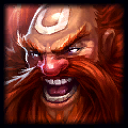
Play Gragas like a bouncer, not a front-line statue. You are strongest when you step in from fog, threaten Body Slam, and make the enemy backline respect the possibility of Explosive Cask. If you walk straight down the lane with no angle, good players will hold their dash, spread out, and punish you after your engage misses. Use the side brush, minion waves, and broken terrain pockets to hide your first movement, then force the fight when the enemy is already committed to clearing or poking.
Engage patterns
- Start fights when the enemy formation is narrow. Wait until they group behind their minion wave or stack near a health relic. Body Slam into the closest target if it guarantees contact, then use Explosive Cask to split the team or throw a carry back toward your side. Do not always aim for the farthest carry. If their frontline is the only reachable target, knocking that frontline sideways can open a clean path for your team.
- Use Barrel Roll before the collision when you have time. Place it where the enemy wants to retreat, then threaten Body Slam. They either walk through the barrel zone or step into your engage path. This is especially useful in the narrow lane because enemies have fewer diagonal exits than they think.
- Do not overvalue the highlight play. A full five-man cask is rare against disciplined players. A simple cask that knocks one fed marksman into your team or pushes an assassin away from your carry often wins more fights than a greedy angle that sends everyone to safety.
Counter-engage
- Hold Body Slam when the enemy has divers. If an assassin, bruiser, or Snowball user is waiting to enter, do not spend your dash just to poke. Stand near your carry and punish the first champion that crosses the line. Body Slam interrupts momentum, buys space, and gives your team a target to collapse on.
- Use Explosive Cask defensively when your backline is trapped. If multiple enemies dive through the same lane pocket, throw the cask behind or through them to break their follow-up. Your goal is not always damage. Sometimes the correct play is to scatter their combo so only one enemy is in range while the rest are pushed away.
- Counter-engage after enemy crowd control is spent. If you engage into ready hooks, stuns, or knockups, you can get stopped before your team can follow. Let the enemy waste one key tool on a minion, tank, or missed pick attempt, then punish the recovery window with Body Slam plus cask displacement.
Escape and recovery
- Save one tool for the exit. Gragas can start a fight, but he also needs a way out when the first burst fails. If you use Body Slam, Flash, Snowball follow-up, and cask all at once, you are betting the fight ends immediately. When the enemy still has damage alive, keep either Body Slam or Explosive Cask to create separation.
- Retreat diagonally, not straight back. In the ARAM lane, running directly toward your turret makes skillshots easy to line up. After a trade, angle toward brush or the edge of the lane, drop Barrel Roll to slow the chase path, then Body Slam only if the enemy commits too far.
- If you miss Body Slam, stop forcing. A whiffed engage is the punish window opponents are waiting for. Back up, use Barrel Roll to discourage the chase, and let your cooldowns return before you show your hitbox again. The worst Gragas deaths come from trying to “fix” a missed dash with a desperate cask.
Narrow-lane spacing
- Stand off-center whenever possible. If you sit in the middle of the lane, you are easy to poke and your cask angles become predictable. From the side, you threaten a diagonal Body Slam and can knock enemies across the lane instead of simply pushing them backward.
- Use minion waves as timing signals. When enemy champions step forward to clear, they often line up behind the wave. That is your window to place Barrel Roll near the casters or threaten a dash through the front of the wave. If your team has no wave, do not start a long chase into open space where the enemy can kite you cleanly.
- Respect poke when your sustain is not enough. Gragas can absorb some chip damage, but he is not allowed to eat every long-range spell before the real fight starts. If you fall low before engaging, your threat disappears because the enemy can burst you during your dash recovery.
Target priority
- Pick the target your team can actually hit. A carry knocked into your team is perfect. A carry knocked sideways into safety is a gift. Before casting Explosive Cask, check where your allies are standing and whether they have damage ready. If they are clearing wave or retreating, peel instead of forcing a pick.
- Displace fed threats before hitting tanks. When one enemy is carrying the fight, your job is to ruin their position. Knock them away from peel, into a wall-side lane pocket, or out of their damage rhythm. If you cannot reach them, isolate their support or frontline so the carry has to choose between stepping forward alone or abandoning the fight.
- Against heavy dive, your priority becomes protection. Stand close enough to your damage dealers that Body Slam can meet the diver on arrival. A blocked assassin combo is often worth more than a risky engage onto the enemy backline.
Snowball timing
- Use Snowball to create angles, not to announce bad engages. Throw it when the enemy is already slowed, stuck in a narrow path, or distracted by your team’s poke. If it lands on a backline target with no follow-up available, wait. You do not have to take every Snowball.
- Snowball follow-up is best after key enemy escapes are down. If the target still has a dash, blink, or strong peel beside them, taking Snowball can drag you into a trap. Look for the moment after they dodge another spell, step too far forward, or commit to hitting your turret.
- Snowball can also be a peel tool. Tagging an incoming tank or diver lets you reposition aggressively for Body Slam or cask without walking through the entire enemy team. If your carry is being collapsed on, the fastest play is often Snowball to the diver, interrupt, then cask the rest away.
Augment trigger windows
- If your augment rewards crowd control, fight around confirmed contact. Do not waste the trigger on a low-value poke barrel if the real fight starts two seconds later. Body Slam and Explosive Cask are your reliable windows, so plan your entry around landing them on a target your team can punish.
- If your augment rewards ability hits or repeated casting, use the wave to build pressure safely. Barrel Roll can zone the enemy while also helping you set up the next trade. Just avoid stepping into long-range punishment for a minor trigger when your engage tools are not ready.
- If your augment gives burst after movement or engage, do not fire it into tanks by habit. Hold the empowered moment until you can reach a carry, a low-health bruiser, or a diver who has already spent their escape. Triggering it on the wrong target lowers your threat for the fight that follows.
- If your augment improves durability, use it to buy a second rotation. Go in, force the enemy to answer, then kite back through your barrel zone instead of standing still. Extra toughness is not permission to ignore five champions hitting you.
Push and pull rhythm
- When ahead, push with threat, not autopilot. Clear enough of the wave that your team can walk forward, then stand to the side where Body Slam and cask threaten anyone defending the turret. If the enemy hugs the structure, look for a displacement out of safety rather than diving before your wave arrives.
- When neutral, pull the enemy into bad spacing. Back up slightly after placing Barrel Roll so they step forward to clear or contest. Once they cross the midpoint without minion cover, your engage becomes much harder to dodge.
- When behind, stop contesting every wave with your health bar. Let the wave come closer, thin it with Barrel Roll, and save Body Slam for disengage. A behind Gragas who dies first gives the enemy a free push; a behind Gragas who survives with cask ready can still stop dives and protect the turret.
Dive timing
- Dive only when your displacement creates the kill. The clean dive is casking a target out from under turret or Body Slamming someone who has already lost their escape. If you need to tank turret, dodge poke, land everything, and hope your team follows, the dive is probably too thin.
- Go after the enemy uses waveclear or peel. Many teams defend by throwing their strongest control spell the moment your wave reaches turret. Bait that spell with movement, wait for it to miss or hit a minion, then engage during the gap.
- Leave immediately after the kill or failed burst. Do not stand under turret trying to finish a second target unless your team is already in range. Use Body Slam outward, cask enemies away, or retreat through your barrel zone before the respawned damage and turret shots turn the dive.
Behind-state damage control
- Become a peel-first Gragas. If your team is losing fights, stop hunting backline angles that require deep commitment. Your best value is denying enemy engage, separating their frontline from their damage, and keeping your carries alive long enough to clear the wave.
- Trade health only for wave control or a real shutdown chance. Taking poke just to place a barrel slightly deeper is not worth it when you are behind. Save health for the fight that decides turret defense, relic control, or a low-health enemy overstep.
- Use Explosive Cask to reset doomed fights early. If an ally gets caught and the enemy team is rushing forward, cask them apart before the full collapse lands. Waiting for the perfect multi-target knockback often means everyone dies together.
- Look for enemy impatience. Ahead teams often clump near your turret or chase too far after chunking someone. That is where Gragas can steal momentum: punish the stack, throw one carry into turret range or your team, and turn a defensive position into a numbers advantage.
The best Gragas games come from patience. Make the enemy walk into your angle, punish the first overstep, and keep one answer ready for the counterpunch. If you control space instead of chasing clips, Gragas stays useful whether your team is snowballing, trading evenly, or barely holding the line.