Team Synergy
Vladimir wants teams that can start fights for him, hold enemies in place, and keep the lane stable until he reaches his damage window. He is not at his best when he has to be the only engage tool or the only wave holder. Give him reliable crowd control, a frontline that can absorb the first answer, and some speed or shielding to help him enter without spending his safety too early. The best Vladimir comps make the enemy choose badly: clump and get hit by Vladimir’s area damage, or spread out and lose the front-to-back fight.
Highest-value teammate synergies
-
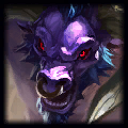
Amumu - premium lockdown for Vladimir’s full-area follow-up.
Synergy mechanism: Amumu gives Vladimir the thing he most wants: a clear signal to commit. When Amumu catches multiple enemies, Vladimir can move in while they are controlled instead of guessing through poke, slows, and disengage. This lets Vladimir save his untargetable safety for the enemy answer, not for the entry.
Combo: Let Amumu start from fog, brush, or after the enemy burns mobility. Vladimir follows immediately with his mark and charged area damage, then pools or backs out after the first counter-burst lands. If Snowball is available, Vladimir can hold it until Amumu confirms contact rather than throwing it early and getting spaced.
Best scenario: Enemy carries stand behind a short frontline and rely on one peel spell to stop divers. Amumu forces that peel early, Vladimir enters through the same pocket, and the enemy backline has to either flash away from the tank or eat Vladimir’s damage while grouped.
Enemy answer: Smart teams spread before Amumu reaches them, poke him down before he can start, or save displacement for Vladimir instead of wasting it on the tank. They may also kite backward so Vladimir arrives late and only hits the frontline.
Failure risk and recovery: If Amumu engages alone from too far away, Vladimir cannot follow without burning everything and dying after pool. Recover by slowing the tempo: clear the wave, let Amumu soak vision pressure, and wait for a narrower lane state where Vladimir can walk up with health advantage instead of forcing a long chase.
-
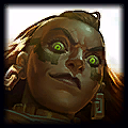
Orianna - ball delivery, shields, and layered zone control.
Synergy mechanism: Orianna improves Vladimir’s entry and punishes enemies who clump to hit him after he goes in. Her shielding and ball placement give Vladimir a safer path through the front line, while her area control stacks naturally with his own teamfight damage.
Combo: Orianna places the ball on Vladimir or near the enemy’s retreat path before the fight starts. Vladimir walks forward with the threat of an incoming pull or zone, tags the highest-value group, then forces the enemy to decide between stepping away from Orianna’s ball or staying close enough for Vladimir to finish the trade.
Best scenario: The enemy comp has immobile carries and a single tank standing in front. Vladimir can threaten the backline without needing to solo-flank, and Orianna punishes anyone who collapses on him too tightly. This is especially strong when your team can hold the wave in the middle and deny the enemy easy angles.
Enemy answer: Enemies should track the ball and refuse stacked formations. Long-range poke can also force Orianna to shield defensively before Vladimir is ready, which weakens the actual engage.
Failure risk and recovery: The combo fails if Vladimir enters before Orianna is in range or if Orianna uses her key control on the frontline too early. Recover by playing a slower front-to-back pattern: Vladimir hovers at the edge, Orianna clears and shields, and both wait until an enemy carry steps into the same side of the lane as the ball.
-
Seraphine - sustain, follow-up control, and teamwide fight extension.
Synergy mechanism: Vladimir loves extended fights, and Seraphine helps the whole team survive long enough for that second wave of damage. Her range also keeps the lane playable when Vladimir is not ready to step forward, which matters because he can be punished hard if he is forced to farm under constant poke.
Combo: Seraphine pokes and controls space until the enemy is softened or grouped. When she lands a multi-target engage or forces enemies into a narrow retreat, Vladimir moves in to mark and zone them. If the first attempt does not kill, Seraphine’s shielding and sustain buy time for Vladimir to reset positioning and re-enter instead of dying after one rotation.
Best scenario: Your team is facing poke or mixed damage and needs a stable bridge into mid-game fights. Seraphine stops the comp from bleeding too much health before Vladimir can threaten, then turns one good crowd-control chain into a full teamfight win.
Enemy answer: Burst comps should commit hard onto Seraphine or force Vladimir to pool before Seraphine’s follow-up arrives. Disengage teams can also walk back from Seraphine’s telegraphed control and make Vladimir chase too far.
Failure risk and recovery: This pairing can become too passive if both players only wait for perfect grouped targets. Recover by using Seraphine’s wave control to claim brush and side space, then have Vladimir threaten short trades on the nearest carry. You do not need a five-man setup; two good targets are enough if the enemy has already spent peel.
-
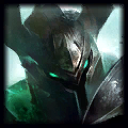
Jarvan IV - forced terrain fights and reliable dive access.
Synergy mechanism: Jarvan creates a fight location. Vladimir is much stronger when the enemy cannot freely kite backward, and Jarvan’s engage can trap or pin key targets long enough for Vladimir to arrive with damage already prepared. The frontline commitment also pulls attention away from Vladimir’s approach.
Combo: Jarvan starts on a carry or catches the space between the frontline and backline. Vladimir follows into the created zone, applies his damage mark, and uses pool defensively if the enemy turns with burst or anti-dive tools. The ideal timing is not “Jarvan goes, Vladimir watches”; it is Jarvan forcing the cage while Vladimir is already moving.
Best scenario: Enemy carries have flash-like mobility or dashes but limited room because the wave is near their side of the bridge. Jarvan cuts off the escape path, Vladimir enters from the front or slight side angle, and the enemy has to spend mobility defensively instead of saving it to dodge Vladimir’s damage.
Enemy answer: Knockbacks, disengage, and quick exits can punish Jarvan if he traps himself with only tanks. Enemies can also hold burst for Vladimir after he enters the same zone, especially if he has already used pool to get in.
Failure risk and recovery: The big risk is overcommitting into a bad cage where Vladimir cannot reach the trapped carries or your own backline gets abandoned. Recover by treating Jarvan’s first engage as a pressure tool, not always an all-in. If the enemy escapes, take the health advantage, clear the wave, and wait for the next forced choke instead of chasing into open lane.
-
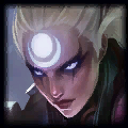
Lulu - speed, protection, and anti-burst for deep entries.
Synergy mechanism: Lulu turns Vladimir from a slow-moving damage threat into a much harder champion to punish. Speed helps him reach the correct target without spending pool early, and protection lets him survive the enemy’s first reaction after he commits. This is valuable when the enemy has point-and-click pressure, assassins, or heavy frontloaded damage.
Combo: Lulu buffs Vladimir before he crosses the danger line, not after he is already controlled. Vladimir uses the movement window to tag carries or force them away from the wave, then holds pool for the counter-engage. If the enemy dives your backline instead, Lulu protects the carry while Vladimir punishes the clustered divers.
Best scenario: Your team has enough damage but lacks a safe way for Vladimir to enter. Lulu gives him the extra margin to walk past the frontline, threaten the backline, and still live through the return fire. She is also excellent when the fight becomes messy and Vladimir needs one more second to finish his drain-heavy pattern.
Enemy answer: Enemies can bait Lulu’s defensive tools with fake engages, then re-engage onto Vladimir when the protection is gone. Heavy poke can also force Lulu to shield low-value damage before the real fight starts.
Failure risk and recovery: This duo fails if Vladimir treats Lulu’s help as permission to dive alone into five champions. Recover by resetting behind your frontline after the first trade, then re-enter once Lulu has repositioned and the enemy has used their main crowd control. Vladimir should still respect hard control; protection does not replace timing.
Team functions Vladimir needs most
- Primary engage or dependable counter-engage: Vladimir can start some fights, but he is far better when a tank or controller forces the enemy to stand still first. If he must be the only initiator, he often spends pool too early and loses his exit.
- Wave control before the all-in: A team that cannot clear minions gives the enemy free poke angles. Vladimir needs enough lane stability to keep his health high before committing.
- Speed, shields, or soft protection: He wants to enter with resources intact. If allies can help him cross the lane safely, he can save his defensive tools for the punish window after his damage lands.
- Layered crowd control, not scattered control: One isolated stun rarely gives Vladimir enough time. Chained control around the same target group lets him deliver damage and then reposition before the enemy response.
- Secondary damage threat: If Vladimir is the only champion the enemy fears, they can hold every cooldown for him. A strong marksman, mage, or diver forces the enemy to split defensive tools, which makes Vladimir’s entry much cleaner.