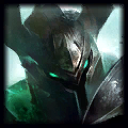
Mayhem vs normal ARAM: Mordekaiser
Mordekaiser changes from a slow pressure bruiser into a much more draft-sensitive brawler in Mayhem. In normal ARAM, you can often play him with a simple plan: walk up with your team, threaten pull, build durable damage, and use your ultimate to remove the most important target from the fight. In Mayhem, that same plan still exists, but the game gives everyone more ways to spike, escape, burst, or punish a missed engage. You cannot treat every fight like a standard front-to-back ARAM brawl. You need to read augments, enemy mobility, and whether your team can actually follow before you commit.
Role comparison
- Normal ARAM: Mordekaiser is usually a frontline AP bruiser who wins by standing in the middle of the fight long enough for his passive and area damage to matter. If the enemy team lacks consistent peel, he can become the main engage threat. If they have heavy range or disengage, he plays more like a counter-engage champion who punishes whoever steps too far forward.
- Mayhem: Mordekaiser is less guaranteed to be the default frontline. Some lobbies let him become a raid boss with defensive or sustain-focused augments, while others force him into a pick-and-isolate role because enemy carries have too much burst, speed, or spacing power. Before the first real teamfight, check who can kite you and who has augment patterns that make them hard to trap. If you cannot stick to the backline, your job is to delete the nearest valuable target, not chase a fantasy carry kill.
Skill use feels less forgiving in Mayhem
In normal ARAM, missing a pull is bad, but the fight often slows down enough for you to walk back up and try again. In Mayhem, a missed pull can be the exact window the enemy needs to burst you, force your shield early, or punish your team while you are out of position. Use your pull more like a commitment check. Throw it when the enemy has already used a dash, when Snowball connects, or when a teammate has landed crowd control. Random max-range pulls into five ready enemies are much worse here than they are in normal ARAM.
Your mace slam also needs cleaner targeting. In normal ARAM, hitting anyone in the wave of bodies can be enough because fights last longer and chip damage stacks up. In Mayhem, you should be more selective. Hit isolated targets when you can, but do not walk through enemy control just to force one clean hit. If the enemy is holding burst for your approach, take the safe damage first, build shield value, then step in after they spend their strongest punish tools.
Skill order comparison
The core priority usually stays similar to ARAM: max your main damage spell first, then lean into the tools that let you keep fighting. The difference is not the button order as much as why you are pressing those buttons. In normal ARAM, you can often level and play for steady poke, wave control, and repeated melee trades. In Mayhem, your skill order should support your actual lobby job. If your augments and items are making you durable enough to stand in the fight, prioritize the pattern that keeps your damage uptime high. If the lobby is full of ranged burst and slippery carries, value the parts of your kit that help you survive the first engage and punish overextension rather than greedily fishing for damage.
Do not change skill order just because the mode is louder or faster. Change your play pattern. Mordekaiser still needs reliable damage, shield timing, and pull discipline. Mayhem rewards the player who adapts the fight plan, not the player who randomly reinvents the champion every game.
Tempo and fight pacing
Normal ARAM Mordekaiser can often afford to scale into the match. You take some poke, farm health relic windows, and wait for enemy mistakes near the minion wave. Mayhem usually pressures you earlier. Augments can create sudden power spikes, and teams are more willing to force because one good combo can flip the lane fast. That means you should decide early whether you are playing for lane control, Snowball picks, or ultimate isolation.
If your team has poke and disengage, do not sprint forward just because you are Mordekaiser. Stand near the front, threaten pull, and make enemies burn movement before you commit. If your team has divers, move with them instead of arriving late. Mordekaiser is strongest when the enemy has to choose between hitting him and helping the isolated target. If you enter after your divers are already dead, your ultimate becomes a delay tool instead of a fight-winning tool.
Augment impact
Augments matter more for Mordekaiser than they do for many simple ARAM bruisers because they decide whether he can actually reach and hold space. Defensive augments can let you play closer to the normal ARAM raid-boss style: walk in, absorb pressure, shield at the right moment, and force enemies to fight on your terms. Damage augments can make your ultimate threat much scarier, but they also punish bad target choice. If you build and augment for damage, ulting a tank while the enemy carries free-hit your team is usually a lost trade.
Mobility or engage-supporting augments change your Snowball and pull usage. When you have extra ways to close distance, you can wait longer before committing and punish enemies after they spend their escape. When you do not have those tools, your engage must come from fog-like angles around minions, allied crowd control, or a connected Snowball. Do not assume you can just walk at ranged champions in Mayhem. Many of them have their own augment help, and they will kite you harder than in normal ARAM.
Snowball use
In normal ARAM, Snowball is already good on Mordekaiser because it solves his biggest problem: getting into range. In Mayhem, it becomes even more important, but also more dangerous. Taking every Snowball is a bad habit. Before you recast, ask one question: when I arrive, can I survive the first punish? If the answer is no, hold the mark as pressure or let it expire. A dead Mordekaiser with ultimate unused is one of the easiest ways to throw a Mayhem fight.
Good Snowball targets are carries who have already used movement, bruisers standing too far from their team, or frontliners your team can collapse on quickly. Bad targets are bait champions standing under five teammates, enemies with obvious disengage ready, or tanks who want you to remove yourself from the main fight. If Snowball lands on a high-value target, you can recast, pull as they try to leave, then decide whether ultimate is needed. If your team is not in range, do not turn a good mark into a solo int.
Item and rune logic compared to ARAM
Normal ARAM Mordekaiser often leans into durable AP bruiser logic: enough damage to matter, enough health and resistances to stay inside the fight, and sustain or shielding value to win extended trades. In Mayhem, that logic still works, but you must be more reactive. If enemies have burst-heavy augment setups, pure greed gets punished. If they have multiple tanks and low disengage, heavier sustained damage and durability can take over. If they have long-range carries with strong peel, you need tools that help you survive approach or make your one isolation attempt count.
For runes, avoid thinking only in normal ARAM terms like “I will always get long fights.” Mayhem fights can be short, explosive, and reset-heavy. Choose pages that match how you expect to deal damage. If your team can keep enemies near you, extended-combat value is strong. If you are mainly playing for picks with Snowball and ultimate, you need enough durability and payoff to win that isolated fight quickly. The wrong habit is copying a normal ARAM setup without checking whether the lobby lets you stand and swing.
Teamfight spacing
Spacing is the biggest Mayhem adjustment. In normal ARAM, Mordekaiser can often stand directly in front and dare enemies to walk up. In Mayhem, standing too far ahead can get you layered by burst, crowd control, or augment-enhanced engage before your team can help. Stand close enough to threaten pull, but not so far that your shield becomes a panic button before the fight starts.
When your ultimate is ready, position slightly off-center instead of directly in the middle of your team. This creates better angles on carries and makes it harder for enemies to predict your engage. If you always walk straight down the lane, good players will keep their important target behind peel and let you waste time hitting the tank. If you angle from the side after a minion wave breaks or after an ally forces movement, your pull and ultimate become much harder to answer.
ARAM habits that become wrong in Mayhem
- Ulting the first target in range. In normal ARAM, removing any strong enemy can be fine. In Mayhem, target choice decides the whole fight. Ult the carry if you can kill them, the diver if they are about to wipe your backline, or the tank only when isolating them opens the fight for your team.
- Walking through poke because you are “the tank.” Mordekaiser is durable, but he is not allowed to donate health for free. If you lose too much health before the engage, your shield only buys time instead of winning the fight.
- Using pull on cooldown. In Mayhem, enemies punish missed control faster. Hold pull until it confirms damage, stops an escape, or forces a bad enemy movement.
- Taking every Snowball recast. A mark is pressure. It does not force you to dive. Recast only when your team can follow or when the target is isolated enough for you to win.
- Building the same every game. Normal ARAM lets Mordekaiser get away with a familiar bruiser curve more often. Mayhem asks whether you need durability, anti-burst, sustained damage, or better target access in this specific lobby.
The short version: normal ARAM Mordekaiser wins by being a steady frontline threat. Mayhem Mordekaiser wins by choosing the right fight. Use Snowball with discipline, hold pull for real punish windows, adapt your augments and items to the lobby, and do not waste your ultimate on a target that your team did not need removed. If you make the enemy fight inside your range on your timing, he still feels like Mordekaiser. If you chase normal ARAM habits into Mayhem speed, he gets kited, bursted, and ignored.