Game Plan
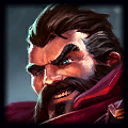
Graves wants short, controlled brawls, not endless front-to-back staring contests. Play around his burst windows, his reload rhythm, and the fact that he gets punished hard when he dashes forward without a reset plan. In Mayhem, augments can push him toward burst, sustained DPS, bruiser skirmishing, or ability spam, but the core idea stays the same: stand just behind your real engage, punish anyone who walks into your range, and use Snowball or dash only when the fight is already messy enough that the enemy cannot instantly focus you.
Levels 1-6: Hold the Line, Trade in Bursts
- Position: Start slightly behind your frontline or beside a sturdier bruiser. Do not stand as the first champion in the lane unless the enemy team has no reliable crowd control. Graves is strong when enemies step into him, but weak when five champions can freely aim at him before he gets value. Use minions, your tank, and brush edges to shorten the angle before you trade.
- Trading and poke rhythm: Take quick trades when the enemy walks up for minions, relics, or poke angles. Fire, reposition, fire again, then back off before the enemy support or mage can answer. If you waste shots into a tank with full backup behind them, you lose pressure. If you save your burst for a squishy who oversteps, you create real kill threat.
- Snowball use: Early Snowball is mostly a threat tool, not a blind engage button. Tagging a backliner is useful because it makes them play scared, but taking the recast into five ready enemies usually gets you killed. Recast only when your team can follow immediately, the target has already used a key escape, or the fight is happening in the middle of the lane and you can dash back toward safety after the burst.
- Augment use: Your first augment should decide how greedy you can play. If it gives damage or burst, look for sharper trades after allies land crowd control. If it gives durability, you can stand closer to your frontline and bait return damage. If it improves mobility or ability access, use it to take more frequent side angles, but still respect hard engage. A good augment does not make Graves a true tank.
- Push or stall choice: Push when your team has lane control and the enemy has weak waveclear. Graves can help clear waves quickly, which lets your poke champions hit enemies under tower or forces the enemy to last-hit while you angle forward. Stall when your team is outranged or waiting for key ultimates. In that case, clear just enough to protect your tower and avoid walking into poke for no reason.
- Ahead plan: If you win early trades, move up with your frontline and deny the enemy clean access to the wave. Do not dive just because you are ahead. Instead, hold the middle of the lane, punish anyone trying to clear, and save Snowball for the champion who panics away from their team. Your lead matters most when it forces bad enemy positioning.
- Behind plan: If you get poked out or your team loses the first fights, stop fishing for hero plays. Stand farther back, clear waves safely, and trade only after the enemy spends crowd control on someone else. Graves can recover through one good skirmish, but he cannot recover if he keeps dashing into losing fights one at a time.
- Next move: Before level 6, identify the enemy punish tools. Know which stun, hook, silence, knockup, or exhaust-style effect stops your all-in. Your next move is to force those tools out with movement and wave pressure, then take the fight after they miss or get used on your frontline.
Levels 7-11: Play Around Picks and Messy Skirmishes
- Position: This is where Graves starts to feel dangerous, but your spacing still decides the fight. Stand close enough to follow allied engage, yet far enough that you are not the first target hit by enemy initiation. The best spot is usually just off-center behind your tank, where you can step around the wave and threaten enemy carries without being locked down instantly.
- Trading and poke rhythm: Trade harder once ultimates and stronger augments are online. Look for a two-step pattern: soften the front line or punish a mispositioned carry, then commit only after the enemy formation breaks. If the enemy kites backward in a straight line, keep walking them down with your team. If they turn as five, cut the trade short and reset behind minions or terrain.
- Snowball use: Mid game Snowball can start fights, but only under clear conditions. Use it on a low-mobility carry, an isolated mage, or a frontliner your team can instantly collapse on. Avoid taking Snowball onto targets standing beside heavy peel unless your team is already entering with you. A missed Snowball is fine. A bad recast is the problem, because Graves has to survive close range to finish the job.
- Augment use: Build your fights around what your augments actually reward. If your setup improves burst, hide your intent until an ally lands crowd control, then unload quickly and back out. If your setup rewards repeated casting or attacks, play longer fights around minion waves and your frontline’s body block. If you gained defensive tools, you can bait enemy cooldowns by stepping forward, but only if your escape path is clear.
- Push or stall choice: Push after winning a fight or forcing multiple enemies low. Graves helps convert kills into tower pressure because he clears waves fast and threatens anyone who steps up too close. Stall if your team is missing ultimates, your carry is dead, or the enemy has stronger long-range engage. In a stall, do not stand at the tower edge eating poke; clear the wave, step back, and wait for the enemy to overreach.
- Ahead plan: When ahead, Graves should pressure the lane like a shotgun bouncer. Hold space near the wave, make squishies afraid to walk up, and collapse on anyone your team tags. Use your lead to take structures and deny healing pickups rather than chasing deep past the safe zone. If the enemy is forced to engage into you, your close-range damage becomes much easier to apply.
- Behind plan: When behind, play for counter-engage. Let the enemy start into your tank or bruiser, then step forward after their first crowd control chain is used. Your damage is still relevant if you hit the champion who committed too far. Do not chase the fed backliner through their whole team. Kill the closest trapped target first, reset the wave, then look for the next mistake.
- Next move: Around level 11, start tracking which enemy is carrying fights. If it is a poke mage, use side positioning and Snowball threat to make them back up. If it is an assassin, save dash and defensive augments for their entry instead of wasting them for poke. If it is a tank engage, keep enough distance that they must overextend to reach you.
Levels 12+: Commit Cleanly or Peel Back
- Position: Late game Graves cannot afford lazy spacing. One death can cost towers or the game. Stay behind the champion who can absorb the first engage, but do not hide so far back that you deal no damage. You want a diagonal angle on the fight: close enough to punish the enemy front line, with a path toward their carries if they lose protection.
- Trading and poke rhythm: Stop taking random health trades before major fights. Late game poke sticks, and entering a fight at half health removes your ability to step forward. Clear waves, threaten burst when someone missteps, then reset. Once the fight begins, commit in waves: first hit the closest safe target, then move forward only after an enemy carry uses mobility, cleanse-like safety, or peel.
- Snowball use: Late Snowball is either a fight-winning access tool or a throw. Marking a carry can win the game if your team is ready and the target is separated. Recasting into a grouped team with exhaust, shields, knockbacks, or hard crowd control ready will lose the game. If you hit a Snowball but the enemy turns toward you, hold the mark and use the pressure instead of taking a doomed entrance.
- Augment use: By now, your augment package should shape your job. Burst Graves looks for one decisive entry after allied lockdown. Bruiser Graves plays near the frontline and survives long enough to outtrade divers. High-tempo or ability-focused Graves keeps the fight moving, using frequent windows to chip, reposition, and finish. Whatever your build does best, do not mix plans mid-fight. A burst setup should not front-line forever, and a bruiser setup should not wait so long that the team dies before you enter.
- Push or stall choice: Push hard after any clean win, especially if the enemy wave is already cleared. Graves can help end games quickly when enemies are dead or forced to retreat. Stall when your team is missing a key member or the enemy has stronger five-man engage. In a stall, your job is to keep waves from crashing, protect your carry from divers, and avoid giving the enemy a free engage target.
- Ahead plan: If ahead late, force the enemy to answer waves and towers under pressure. Stand with your team, not alone in front of them. Use your damage to shred the first champion who contests, then immediately swap to the exposed carry if their peel collapses. The clean ahead pattern is simple: clear wave, threaten tower, punish engage, take objective space, repeat.
- Behind plan: If behind late, stop trying to one-shot the backline through five players. Play for the enemy’s overcommit. Kite backward, hit the closest threat, and use smoke, movement, and terrain to break their follow-up. A single enemy diver dying too deep can flip the lane because Graves is excellent at cleaning up scattered fights once the first body drops.
- Next move: Before the final fights, decide whether you are the engager, the follow-up, or the peel damage. Most games, you are follow-up. Let the reliable crowd control start, enter from a safe angle, burst the trapped target, then either chase with Snowball if the enemy is split or fall back to protect your team if assassins are still alive.
Graves wins Mayhem games by controlling distance. Too far back and he becomes low-impact waveclear. Too far forward and he gets locked down before firing enough shots. Keep the fight at the edge of your effective range, use Snowball only when the recast has a real exit plan, and let your augments sharpen the job you already chose instead of tempting you into reckless dives.