How to Play When Ahead
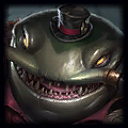
Trigger condition: your team has won the first few brawls, enemy carries are losing health before fights start, or you already have enough durability to survive the first engage. When this happens, Tahm Kench should stop playing like a passenger and start controlling the walking space in front of his team. Stand ahead of your damage dealers, but not so far that you cannot retreat or protect them. Your lead matters because enemies are forced to hit you first, and Tahm is very good at making that feel bad.
- Use the lead to choke space, not to chase forever. When the enemy team is stuck near their tower or a narrow part of the lane, walk up with minions and threaten Tongue Lash or Abyssal Dive angles. The action is simple: make them dodge sideways, then let your poke champions hit the predictable movement. The consequence is that they lose health without a clean fight. The throw happens when you dive past your team after one low-health target. If your carries cannot hit, you are not engaging; you are donating shutdown gold and tempo.
- Convert enemy mispositioning into short, ugly fights. If an enemy carry steps forward without peel, mark them with your crowd control threat and force them to spend mobility before your team commits. Once their escape is gone, go in with your team, not before them. Tahm is strongest ahead when he turns one mistake into a body-blocked collapse. He is weaker when he starts a fight from maximum range and gives the enemy time to kite backward together.
- Protect the player who is actually winning the game. If your main damage dealer has the gold, augments, or item spike, stay close enough to Devour them when assassins or hard divers commit. The condition is clear: enemy engage tools are still available and your carry is the obvious target. Your action is to hold the save until the threat is real, not use it early for a fancy play. The consequence is huge; the enemy burns engage, your carry lives, and your team counter-hits while their front line is overextended.
- Do not waste your save on a low-value target when ahead. If a teammate gets caught far away while your fed carry is still safe, think before spending Devour or your own escape tools. Saving the wrong player can open the only window the enemy has to kill your carry. Ahead Tahm throws games by treating every ally as equally important. They are not. Save the source of damage, the reset champion, or the teammate holding the enemy team’s attention in a winnable position.
- Use Snowball only when the landing point is already winning. If Snowball connects on a target behind the enemy front line, check two things before taking it: can your team follow, and can you survive after the first burst? If both are yes, take it and force a fast collapse. If either is no, let the mark expire and keep your zone. Ahead teams lose control when the tank takes every Snowball and turns a clean siege into a scattered dive.
- Pick augments that turn your lead into reliable contact. If enemies are kiting you, mobility, approach, or slow-enhancing augments cover Tahm’s main weakness: getting into the fight on his terms. If they are trying to burst through you, durability, shielding, healing, or damage-reduction style augments let you stand in front longer and punish their cooldown dump. If your team already has enough engage, choose augments that improve peel or repeated spell access instead of stacking more dive. Ahead, the best augment is the one that removes the enemy’s comeback route.
- Force cooldown trades before committing deep. When you are ahead, walk up and bait enemy hooks, stuns, knockups, and displacement before your backline steps forward. If they miss, you have a clean window to pressure. If they hit you but cannot kill you, your team gets to punish while their best tools are down. The bad version is engaging while every enemy defensive tool is ready. Even with a lead, Tahm can be kited and peeled if he gives the enemy a perfect front-to-back fight.
- End fights through waves and structures, not random kills. After a won fight, push the minion wave, hit the tower, and hold the space where enemies respawn into your team. Tahm should stand between the respawn path and his carries, forcing enemies to go through him. If you chase into foggy or deep territory with no wave, you trade a winning map state for a coin flip. Mayhem fights can swing fast, so make the enemy answer minions and structure pressure while your lead is still active.
- Respect anti-tank and percent-health damage when ahead. If the enemy team has champions or builds that shred frontliners, do not assume your lead makes you immortal. Your action should change: take shorter trades, use brush and minions to break targeting, and force them to hit you only while your team is hitting them back. The consequence of ignoring this is a classic throw: you walk up alone, lose half your health before the fight starts, then cannot peel when the real engage happens.
How to Play When Behind
Trigger condition: your team is losing early fights, your carries cannot walk up, enemy poke is landing first, or you are getting burned down before reaching anyone important. Behind Tahm Kench has to become patient. You are not useless, but you cannot fix the game by diving the enemy backline alone. Your job shifts to stopping the next death, creating one punish window, and buying enough time for your team’s damage or augments to matter.
- Shorten the lane and fight near your team’s damage. If the enemy has control of the middle of the bridge, do not stand in open space eating poke for free. Back up to where your carries can safely hit anyone who engages on you. The action is to make the enemy cross into your range instead of chasing them through theirs. The consequence is that their lead becomes harder to use; they have to overstep to finish kills, and Tahm is good at punishing oversteps.
- Hold Devour for the enemy’s win condition. When behind, your save is often more valuable than your engage. If the enemy assassin, hook champion, or diver is waiting for your carry, do not spend your defensive tool early just to rescue a tank who can already walk out. Let the enemy commit first, then deny the kill. This creates the best comeback pattern: they use major cooldowns, get no reset or kill, and your team gets a real counterfight instead of another staggered death.
- Do not start fights from low health. If you have been poked down, back up, use available sustain windows, and wait for the next wave or ally cooldowns. Tahm needs enough health to survive the first contact. Going in at low health removes your ability to peel, bait, or re-engage. The unrecoverable version is taking Snowball into five enemies while already chunked; even if you reach them, your team arrives to a dead tank and a lost fight.
- Look for enemy greed, not perfect engages. Behind teams rarely get clean five-on-five openings. Watch for the enemy carry stepping up to hit tower, a bruiser chasing past minions, or a support using their crowd control on the wave. That is your trigger. Tongue Lash pressure, body-blocking, and a short engage can turn one greedy step into a shutdown. If nobody oversteps, do not force. Absorb pressure and wait. A bad engage from behind usually ends the game faster than doing nothing for one more wave.
- Use augments to patch the exact reason you are losing. If you cannot reach fights, choose mobility, engage, or sticking-power augments so your threat actually matters. If you are dying before saving anyone, prioritize durability, shielding, healing, or damage-mitigation augments. If enemy crowd control stops every attempt, tenacity or anti-control options become more valuable than extra damage. If your team lacks follow-up, supportive or peel-focused augments are better than selfish dive tools. Behind, an augment should solve the failure point, not make your best-case scenario flashier.
- Trade your health for cooldowns only when your team can punish. It is fine to step forward and bait a hook, stun, or burst spell if your carries are ready to answer. It is not fine to soak everything while your team is clearing the wave or walking back from base. The condition matters. If allies are in range, your tanking creates a punish window. If they are not, you are just giving the enemy free damage and another easy engage.
- Peel backward before you engage forward. If the enemy frontline is already on your carries, diving their backline usually loses the fight. Turn around first. Slow, block, disrupt, and save your teammate if needed. Once the enemy diver has spent their tools and failed to kill, then you can walk forward with numbers or health advantage. Tahm’s comeback fights often start by making the enemy engage look good for one second, then terrible when the target survives.
- Manage death timers and stagger risk. When behind, dying one by one is worse than losing a grouped fight. If two teammates are dead, stop looking for heroic catches unless the enemy hands you a free kill under your team’s damage. Clear what you can, stay alive, and regroup. Tahm can defend space well, but he cannot win a 2v5 by standing in the middle of the lane. A delayed death after the fight is already lost removes your chance to contest the next wave or protect respawning allies.
- Accept small wins. Behind Tahm should value forcing a defensive cooldown, saving one carry, clearing one wave, or making the enemy back away from tower damage. These small actions change the next fight. The enemy gets less structure damage, your team gets more time, and one overconfident engage can become punishable. Do not demand a full ace from every opening. The recovery plan is to stack safe, repeatable advantages until the enemy finally dives too deep.
- Know when not to take Snowball. If Snowball lands on a squishy target but the enemy team is grouped behind them, ask whether your team can follow through the same space. If not, using it is a trap. Behind, Snowball is best as a punish tool after the enemy has already spent peel or separated from their team. It is not a comeback button by itself. Save it for a target that your team can actually hit when you arrive.
Core rule: ahead Tahm wins by owning space and denying comeback kills; behind Tahm wins by refusing bad fights and turning enemy greed into one clean punish. In both states, your biggest mistake is the same: committing farther than your team can support. Stay connected to your damage, choose augments that fix the real problem, and make every engage pass the same test: if this goes wrong, can we still recover?