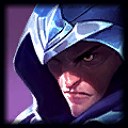
Game Plan
Early Levels 1-6
- Position: Start on the side of the wave, not in the middle of it. Talon wants angles, but before level 6 he is very punishable if he walks straight through minions into five champions. Use brush, side walls, and the edge of allied minions to threaten without committing. If the enemy team has easy crowd control, stand just far enough back that they have to spend a real engage tool to reach you.
- Trading and poke rhythm: Play short trades. Look for moments when an enemy steps up to last-hit or poke your backline, then tag them and back out before their whole team turns. Do not force long fights into tanks early; Talon’s value comes from finding a soft target after they lose health or key cooldowns. If your team has poke, let them soften targets first. If your team lacks poke, use the wave as cover and trade only when your support, tank, or bruiser is close enough to stop the counter-engage.
- Snowball use: Early Snowball is mostly a threat tool, not a “go every time” button. Throw it at low-health carries, isolated enchanters, or enemies who have already used their dash. If it hits a full-health frontline champion, usually do not take it unless your whole team is ready to collapse. A missed Snowball is fine if it forces the enemy carry to sidestep and lose pressure; a bad second activation can cost your health bar and wave control.
- Augment use: In the first augment choices, prefer options that help Talon actually reach and finish targets: burst damage, ability haste, movement, resets, defensive tools after going in, or anything that rewards quick takedowns. If the lobby has heavy poke and you cannot enter cleanly, take survival or sustain value over pure damage. A dead Talon does no pressure, and early Mayhem fights can snowball hard off one bad dive.
- Push or stall: If your team has better waveclear, help push only when it is safe, then step into fog or brush to create fear. Do not stand in lane after the wave dies; Talon is scarier when the enemy cannot see his exact angle. If your team is getting pushed in, save enough damage to clear minions near your turret and punish anyone who walks too far forward to hit it. Stalling is fine early if engaging means running through multiple control spells.
- When ahead: If you get an early kill or force the enemy carries low, move with the next wave and threaten the backline from the side. Do not waste the lead diving the tank under turret. Make the enemy carries choose between standing far back and losing wave pressure, or stepping up and giving you an angle.
- When behind: Stop trying to solo start fights. Let the wave come back, collect safe gold, and wait for enemy mistakes after they use poke or crowd control. Your recovery comes from cleaning up damaged targets, not from proving you can one-shot someone through five people.
- Next move: Your goal before level 6 is simple: stay healthy, track enemy peel, and create one clean all-in window. If nothing opens, preserve health for the first ultimate fight instead of bleeding out to random poke.
Mid Game Levels 7-11
- Position: This is Talon’s best window to take over messy fights. Play from fog, brush, and side pockets whenever the wave is not forcing you to show. Stand near your team, but not stacked on top of them; if the enemy sees all five players in one line, they can aim crowd control and poke freely. A side angle makes their carry walk backward, which already helps your team win space.
- Trading and poke rhythm: Stop taking “fair” trades. Talon wants unfair trades where the target has already used mobility, the enemy frontline is facing the wrong way, or your team’s poke has lowered someone into kill range. Dip in, burst, then decide instantly: finish if the target is trapped, or leave if peel is arriving. If you stay after your burst into bruisers and tanks, they will drag the fight long enough for their team to punish you.
- Snowball use: Mid game Snowball can start real kills, but only when the landing spot is good. Hit a backline target after their support has moved away, or hit a frontline target only if activating puts you behind or beside the enemy formation with your team following. If you land Snowball on a carry and they retreat into four allies with crowd control ready, hold the activation and use the pressure instead. The best Snowball is often the one that makes the carry panic before the fight even starts.
- Augment use: By now your augment setup should guide your fight pattern. If your choices gave you more burst, play for fast deletes and immediate exits. If they gave you mobility or resets, look for chain kills after the first target drops. If they gave durability, you can enter a little earlier, but still do not front-line like a tank. Use defensive or mobility augments before the punish lands, not after you are already locked down and surrounded.
- Push or stall: Push when a kill is possible after the wave crashes. Talon loves forcing the enemy to clear under pressure because carries have to step into predictable spots. If your team is ahead, clear fast, move into a threatening side position, and make the enemy guess whether you are engaging or waiting. If your team is behind, stall with discipline. Clear waves, avoid blind Snowball activations, and let the enemy overreach into turret or into your team’s strongest cooldowns.
- When ahead: Convert kills into structure pressure and health pressure, not random fountain dives. After winning a fight, push the wave first, then threaten anyone who tries to defend alone. If the enemy respawns together, back off into fog instead of standing under their turret with no escape plan. Your lead is strongest when the enemy carry cannot safely touch the wave.
- When behind: Look for the second entry, not the first. Let your tank, poke champion, or disengage support draw out enemy tools. Once the enemy has spent major peel or mobility, go for the lowest-health damage dealer. If no one is low, hit the wave and wait. A patient Talon can still punish one greedy carry; a desperate Talon feeds the enemy reset chain.
- Next move: Identify the enemy who must die for your team to win the next fight. Sometimes it is the marksman. Sometimes it is the mage burning your whole team from range. Sometimes it is an enchanter keeping everyone alive. Mark that target mentally, then spend the next wave setting up the angle instead of fighting whoever is closest.
Late Game Levels 12+
- Position: Late game is about patience. Death timers are punishing, and Talon cannot waste his entry on a tank while the enemy carries free-hit. Stand out of direct vision when possible, but close enough that your team can follow if you commit. If the enemy has strong peel, position wider and wait for them to turn toward your frontline. If they have hard engage, stay closer to your team so you can counter-kill the diver instead of being caught alone.
- Trading and poke rhythm: Do not poke just to poke if it exposes you. Your health is a resource for the all-in, not something to spend on low-value chip damage. Let your team’s long-range tools, minion pressure, or enemy impatience create the opening. When a carry drops low or separates from peel, strike fast. If the target survives and defensive tools are coming, leave immediately and reset the angle. Late fights are won by clean exits as much as clean entries.
- Snowball use: Late Snowball decides games. Use it to punish isolated backliners, chase after a won trade, or bypass the frontline when your team is ready. Do not throw it into five grouped enemies unless your comp has a clear wombo follow-up. If Snowball hits a priority target, check three things before taking it: is your team in range, has the target used escape, and can you survive the first peel spell? If the answer is no, hold. The threat of activation can still zone them off the wave.
- Augment use: Late game augment value is about sequencing. Damage augments matter only if you reach the right target. Mobility augments matter only if you use them to dodge counterplay or exit after the kill. Defensive augments matter most when timed into the enemy’s punish window. If your build and augments make you a finisher, wait longer. If they make you unusually durable, you can help start, but still aim to pull cooldowns and create a second entry rather than standing still in the enemy team.
- Push or stall: When ahead, push waves with your team and deny the enemy clean clearing positions. Do not split too far from the group in ARAM; your pressure comes from threatening the single lane from an unseen angle. When behind, stall every wave and refuse low-odds fights outside turret or without vision of enemy cooldowns. A late overchase from the enemy is your best comeback trigger, especially if their carry steps past their frontline to finish someone.
- When ahead: Force the enemy to answer the wave, then punish the first carry who walks up without peel. After a pick, hit the structure or end if the death timers allow it. Avoid chasing tanks past the objective; if the damage dealers are dead or zoned, the map objective is worth more than another flashy kill.
- When behind: Play anti-carry defense. Stay near your backline and delete whoever dives too far, then use the numbers advantage to chase with Snowball or move forward behind the next wave. If the enemy refuses to dive, wait for them to hit turret and look for the carry locked into an attack animation or clear pattern. One shutdown can reset the game if you live afterward.
- Next move: Before each late fight, choose your job: assassinate the exposed carry, counter-kill the diver, or zone the backline while your team wins front-to-back. Once you choose, commit to that plan until the fight changes. Talon is at his best when he enters with a reason, kills quickly, and disappears before the enemy can turn the map into a brawl.