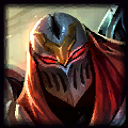
Playing Zed When Ahead
When you are ahead, your job is to turn every enemy misstep into a forced death, not to prove you can 1v5. Zed snowballs hardest when the enemy backline has to give up space before the fight even starts. If a carry walks past their frontline, uses a defensive spell on the wave, or steps into a narrow angle without vision support, mark them as the next target. Go in with a clear exit shadow already placed or with a safe return route through your team. The kill is only worth it if you can leave before the enemy chain crowd control arrives.
Ahead triggers and actions
- Trigger: an enemy carry is separated from peel. Use your shadow threat to cut off their retreat, then commit only after they spend movement, shield, or crowd control on something else. The consequence is simple: they either die or burn their safety tools before the real fight starts. Do not chase them behind multiple healthy enemies unless your team can instantly follow; that is how an easy lead becomes a shutdown.
- Trigger: your team has poke or engage pressure already landing. Let allies start the health advantage, then enter from an angle instead of the front. Zed is much harder to answer when the enemy is already turning away from your tank or dodging another threat. If you jump first while everyone is full health and ready, you give them a clean target and waste the lead.
- Trigger: the enemy frontline overextends to clear minions. Punish with shadow poke and force them to choose between losing health or backing off the wave. You do not always need to ult the tank. If their frontline drops low, their carries must step forward to contest, and that creates the real assassination angle.
- Trigger: you have a numbers advantage. Push the wave, threaten the next squishy, and stand near angles where your shadows can reach the backline. Do not idle in the center of the lane after a pick. A fed Zed who uses the pick to take space keeps winning; a fed Zed who waits for the enemy to respawn gives them a free reset.
How to convert the lead without throwing
- Hold one escape option unless the fight is already won. Ahead Zed players often lose games by spending every shadow and mobility tool to finish a low-value target. If the enemy still has multiple crowd control abilities ready, keep a way out. Your damage lead matters only if you survive long enough to repeat the threat.
- Do not ult the easiest target if the real carry is still untouched. A low-health tank may look tempting, but using your main commitment on them can let the enemy marksman or mage free-cast. If killing the tank opens the fight immediately, take it. If it only pads damage while your backline gets hit, wait for the carry angle instead.
- Use Snowball as a threat, not a panic button. If Snowball connects on a backliner after their peel has been used, it can create a clean entry. If it lands on a target standing inside five teammates, taking it can become an unrecoverable dive. When ahead, you can win by making them respect the mark without always activating it.
- Reset after the first kill. Zed often has enough burst to remove one target, but Mayhem fights can flip fast when augments add extra durability, mobility, or retaliation. After your first kill, step out, reassess health bars, then re-enter if the enemy is split. Greedy second dives are the most common way to donate shutdown gold.
Augments that protect an ahead Zed
- If you are ahead but getting stopped by crowd control, value augments that improve entry safety, exit reliability, or short-window durability. These cover Zed’s biggest lead risk: being locked down after committing. The goal is not to become a bruiser. The goal is to survive the punish window after your burst lands.
- If enemies are stacking defensive tools, choose augments that help with repeated casting, energy management, or sustained damage patterns. A single all-in may not finish targets through shields, heals, or damage reduction. More uptime lets you poke them down first, then commit when their protection is weaker.
- If the enemy team is playing far back, prioritize access tools. Extra reach, better chase patterns, or mobility-supporting choices help you threaten carries who refuse to walk up. Just remember that more access also makes it easier to over-dive, so pair it with disciplined target selection.
- If your team already has engage, pick augments that strengthen follow-up instead of forcing solo entry. Let the frontline eat the first response, then use your added damage or mobility to delete the exposed target. This keeps the lead stable and reduces the chance of dying before your burst matters.
Playing Zed When Behind
When behind, stop playing like the fed assassin. Your first goal is to make fights messy enough that the enemy carries cannot walk forward for free. You are not looking for a perfect highlight dive. You are looking for poke, cooldown bait, wave control, and low-risk finishes. If you die first while behind, your team loses both damage and threat, and the enemy gets to push without fear.
Behind triggers and actions
- Trigger: the enemy frontline controls the center of the lane. Do not stand in their engage range trying to trade autos or force a short combo. Use shadows from safer angles to chip the wave and champions at the same time. The consequence is slower, less flashy damage, but it keeps your team from being forced under tower with no answer.
- Trigger: the enemy carry still has peel and full health. Do not commit just because you reached them. Bait the defensive response with a shadow threat, back off, then wait for your team’s poke or crowd control to create a real opening. A behind Zed who forces ult into every shield or knockback becomes useless for the next fight.
- Trigger: an enemy overchases after winning a trade. This is your best comeback window. Retreat first, let them move past their protection, then punish with your team. Zed is good at finishing enemies who think the fight is already won. Do not start the fight from behind; finish the enemy mistake.
- Trigger: your team is losing extended fights. Play for quick damage and disengage instead of staying in melee range. If you cannot kill the carry, chunk them enough that they cannot keep walking forward. Forcing a backline champion to retreat can save the fight even without a kill.
How to avoid unrecoverable fights when behind
- Never be the first body caught. If the enemy has hard crowd control ready, stand at an angle where you can threaten but not be instantly engaged. Your presence makes carries play slower. Your death removes that pressure and gives the enemy a free push.
- Do not chase low-health targets through the whole enemy team. When behind, enemies often leave bait targets just close enough to tempt you. If you must cross multiple control zones to finish them, let them go. A missed kill is recoverable; dying deep with no shadow return usually is not.
- Respect defensive augments and item spikes. If a target suddenly survives your normal burst pattern, stop repeating the same dive. Poke first, swap targets, or wait for allied crowd control. Behind Zed loses hardest when he keeps testing the same protected carry and gives them free kills.
- Protect your wave when your team cannot contest forward. Clearing safely is not passive play. It denies the enemy clean tower pressure and buys time for respawns, augment value, and item completion. Use shadows to clear without stepping into the engage line.
- Trade your health only when it changes the fight. Taking damage to finish a shutdown, cancel an enemy push, or remove the only carry can be worth it. Taking damage for a small poke trade while behind is usually bad because you lose the ability to threaten the next engage.
Augments that help a behind Zed recover
- If you cannot reach carries, take augments that help with safer access or longer threat range. Behind Zed needs ways to pressure without walking through the whole enemy team. Access tools are strongest when used after the enemy commits forward, not as a blind engage button.
- If you are running out of resources or cannot cast often enough, look for augments that support repeated spell use. This lets you contribute through poke, waveclear, and cooldown bait instead of relying on one all-in. More attempts create more chances for the enemy to misposition.
- If you die during the return window, choose defensive or survival-focused options when offered. Zed does not need to tank forever; he needs to live through the moment after committing. Even a small layer of safety can turn a failed assassination into a disengage, which keeps the game playable.
- If your team lacks damage, choose augments that improve reliable burst or execution on already damaged targets. Do not use them as an excuse to dive full-health carries with peel. Use them after poke lands, after Snowball forces movement, or after an ally locks someone down.
Comeback fight pattern
- First, identify the enemy punish tools. If their stun, knockup, silence, or displacement is ready, do not commit into the center. Make them use it on your frontline, a minion wave, or a shadow threat.
- Second, soften the fight. Use safe poke and wave pressure until a carry loses health, wastes protection, or steps away from their team. Behind Zed needs preparation before the kill window appears.
- Third, take the shortest kill path. Enter from the side, burst the exposed target, then return or disengage as soon as the kill is secured or clearly impossible. Staying to duel extra enemies is how a comeback attempt becomes a lost game.
- Finally, use the pick to stabilize. Clear the wave, reset positioning, and avoid chasing into the next spawn cycle. When behind, one good kill is valuable because it slows the enemy push; throwing after it gives the advantage right back.
Ahead Zed should make the enemy afraid to stand near the wave. Behind Zed should make the enemy afraid to overchase. In both cases, the rule is the same: commit only when you know the punish window, and keep a recovery plan before you press forward.