Game Plan
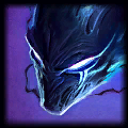
Levels 1-6: Play like a threat, not like a tank
- Position: Start in the side brush or just behind your front line, not in the center of the lane eating poke. Nocturne wants a short lane to run people down, but before level 6 you are still punishable if you walk in first. Stand where you can tag minions and champions with your wave tool, then step back before the enemy turns on you.
- Trading rhythm: Look for short trades when an enemy uses a key poke spell on the wave or misses crowd control. Hit, follow for a few autos if they are isolated, then leave before the whole enemy team collapses. Do not chase through five champions just because your fear tether started; if the target walks back into their team, reset and wait for the next mistake.
- Poke and sustain plan: You are not a pure poke champion, so do not waste health trying to “match” mages at range. Use the wave to create safe angles. If your team has poke, protect them by threatening anyone who steps forward. If your team has no poke, help clear the wave fast enough that your side is not pinned under turret forever.
- Snowball use: Early Snowball is best used as a punish tool, not a blind engage. Throw it after an enemy has already used dash, stun, or major peel. If Snowball lands on a backliner while their team is clumped and ready, do not always take it. Sometimes the correct play is forcing them to retreat and winning lane space for free.
- Augment use: Take early augments that help you survive contact, stick to targets, or convert one dive into a reset-style fight. If your first augment gives damage only, trade more carefully and let allies start. If it gives durability or engage help, you can stand closer to the brush line and threaten harder after enemy cooldowns are down.
- Push or stall: Push when your team has enough health to walk with the wave and threaten turret plates or relic control. Stall when your backline is low, your spell shield is unavailable, or the enemy has stronger early engage. Nocturne is much better at punishing overextension than face-tanking a full-health enemy push.
- Ahead plan: If you win the first skirmish, do not wander into the enemy side alone. Hold brush, deny their walk-up, and make them spend spells just to touch the wave. Your lead matters most when it forces their carries to stand farther back, which gives your team room to push.
- Behind plan: If you get poked out or die early, stop forcing all-ins from the front. Clear safely, save spell shield for the spell that actually stops your exit, and use Snowball only after an ally lands crowd control. Your job becomes cleanup until level 6 gives you a real backline access tool.
- Next move: Reach level 6 with enough health to fight. Track which enemy is easiest to kill after darkness and which enemy can peel you off. The moment you unlock ultimate, your lane plan changes from “survive and punish” to “hide the engage angle and delete the exposed target.”
Levels 7-11: Use darkness to break the fight open
- Position: Play from fog, brush, or the edge of vision whenever possible. If the enemy sees you standing in front of them, they will group tighter and save peel. If they lose track of you for even a second, their carries have to respect ultimate range and their formation gets worse.
- Trading rhythm: Do not ult the first champion you see unless they are truly isolated. The best mid-game pattern is simple: let both teams trade poke, wait for an enemy carry to step forward or a support to waste peel, then ult during the confusion. Darkness makes it harder for them to coordinate, but it does not make you immortal. Pick the target that your team can also hit.
- Target choice: Prioritize fragile damage dealers, low-health champions, or anyone separated from peel by terrain, minions, or panic movement. Avoid diving the enemy tank unless killing that tank immediately wins the fight. If their backline has stopwatch-style stalling, heavy shields, or instant displacement, bait those tools first with Snowball pressure or a fake step forward.
- Snowball use: Snowball and ultimate should not always be stacked on the same target. Use Snowball to force a reaction, then ult a different carry who thinks they are safe. If Snowball hits a priority target after they burn mobility, taking it can save ultimate for the second wave of the fight. If Snowball hits a tank, you can still take it only when your team is ready to collapse and you have a safe way out.
- Augment use: Mid-game augment choices should match the enemy answer. If you are being blown up before fear or autos matter, lean into durability, shielding, or entry protection. If you are reaching targets but they escape at low health, choose stickiness, chase, or execute-style pressure when offered. If your team lacks engage, augments that help you start fights are more valuable than greedy damage.
- Push or stall: Push after a won fight or when your ultimate is available and the enemy carry cannot safely defend the wave. Stand off to the side instead of hitting the turret from the front, because your threat is often stronger than your raw siege. Stall when ultimate is down and the enemy has reliable engage; clear the wave, hold health, and do not donate a shutdown trying to force a bad 4v5-looking dive.
- Ahead plan: When ahead, chain pressure. Kill one target, immediately turn to the next closest damage dealer, and let your team finish the tank later. You should also use darkness to start fights before the enemy has time to set a clean defensive line. A fast engage while they are walking up to the wave is usually better than waiting until they are grouped under turret.
- Behind plan: When behind, your ultimate becomes a counter-engage and cleanup tool. Let the enemy start on your tank or overcommit onto your carry, then ult the champion who has moved too far forward. If you dive first while behind, you often trade one-for-zero against yourself. If you wait for them to spend cooldowns, you can still kill a backliner and reset the fight state.
- Next move: Before every fight, decide your first target and your exit path. If the first target dies, keep moving with your team. If they survive your burst and peel arrives, back out through your own wave or toward a relic instead of tunneling. Your next move is either second-target cleanup or a hard reset; hesitating in the middle gets you killed.
Level 12+: Win with timing, not random hero dives
- Position: Late game, stay out of obvious poke lanes and avoid showing too early. One bad chunk can remove your ability to threaten the fight. Hover beside your strongest ally or in a side brush where you can reach the enemy backline when they step forward to clear. If your team has another engager, let them show first while you hold the real punish angle.
- Trading rhythm: Late trades are less about small damage and more about cooldown extraction. Walk up just enough to make the enemy carry panic, then back off if they spend disengage, cleanse-like tools, shields, or major crowd control. Once those answers are down, your next darkness is much more dangerous. If nobody on your team can follow, keep farming the wave and wait; a solo late-game dive into five prepared players usually throws the map.
- Snowball use: Late Snowball is a commitment check. Landing it on a carry can end the game, but taking it into layered peel can also lose the game instantly. Use it after enemy formation breaks, after an ally lands crowd control, or after darkness has already created panic. If it lands on the wrong target, let it expire and keep your ultimate for the real carry.
- Augment use: Your final augment direction should complete your role. If your team needs a primary engager, choose tools that help you enter and survive long enough for allies to arrive. If your team already has engage, choose damage or chase so you can delete the second target after the fight starts. If the enemy has heavy peel, value anti-burst and persistence over pure damage, because reaching the carry twice is better than dying once with big numbers unused.
- Push or stall: Push when an enemy is dead, when you have ultimate advantage, or when the enemy waveclear champion is too scared to step forward. Use your threat to zone while allies hit structures. Stall when your team is missing key cooldowns, when your carries are dead, or when the enemy has a stronger five-man front-to-back. Clear waves from safe angles and force them to walk into your engage range instead of diving on their terms.
- Ahead plan: If ahead, do not give the enemy a clean comeback fight under their turret. Ult when they are split between defending wave and protecting carries. Kill the champion who can clear or carry the fight, then immediately convert into structure damage. If you win a late fight, ping your team forward and end or take the biggest objective available; Nocturne’s pressure is wasted if you chase fountain kills while minions die.
- Behind plan: If behind, protect your shutdowns and play for one decisive punish. Sit near your carry, threaten counter-ult, and punish the enemy diver who overextends. You can also use darkness defensively to disrupt their follow-up when they engage. Once they scatter or lose vision confidence, turn onto the exposed damage dealer instead of chasing the tank that started the fight.
- Next move: Late game, every ultimate should have a purpose before you press it: kill carry, stop siege, counter-engage, or force the final structure push. After the fight, make the call quickly. If two enemies are dead, push. If your team is low and waves are bad, reset the lane and take space. If your ultimate is down and the enemy respawns first, fall back and stall until your threat returns.
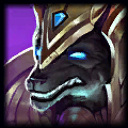
Simple rule: Nocturne wins Mayhem fights by attacking the moment the enemy formation breaks. Use early levels to preserve health, mid game to punish exposed carries, and late game to force one clean darkness fight that turns directly into structures.