How to Play When Ahead
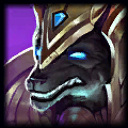
Use your lead to remove choices, not to start random fights. Nocturne is at his best when the enemy team is already stretched, low, or missing key defensive tools. If your team has lane control and the enemy carries are farming behind their front line, hold your engage until one of them steps away from peel, uses a mobility spell, or walks into a narrow angle. Then activate your ultimate to cut their vision and force a rushed reaction. The consequence should be simple: they either burn protection early, or they lose the isolated target before the rest of their team can trade back.
- Trigger: an enemy carry walks outside peel range. Take the angle immediately if your team is close enough to follow. Dive the carry, start your fear tether, and use your spell shield for the first major crowd control or burst spell you expect. If you spend the shield too early on poke, you may win the entry but lose the exit. The throw happens when you ult so deep that your team cannot hit the same target, turning your lead into a donation.
- Trigger: the enemy team is low after a poke trade. Do not wait for a perfect five-man setup. Nocturne’s darkness makes low-health enemies panic, and panic creates bad spacing. Pick the target with the weakest escape route, not always the most fed target. If the fed carry still has allies stacked on top of them, kill the exposed support or mage first and let the numbers advantage win the rest.
- Trigger: your team wins the front-to-back fight without you forcing. Hold ultimate as a second engage. Let your tank, poke, or crowd control start the fight, then ult when the enemy back line commits forward to deal damage. This timing is brutal because their defensive cooldowns are usually pointed at your front line, not at you. If you ult first every time while ahead, opponents can save every answer for your arrival.
- Trigger: you have Snowball available and a flank target is marked. Snowball can let you enter without spending ultimate, saving darkness for the chase or for denying counter-engage vision. Use this when the marked enemy is already separated or when your team can collapse instantly. Do not Snowball into five healthy champions just because it landed; ahead Nocturne loses games by converting a good lead into an unnecessary melee brawl.
Augments should turn your lead into repeatable pressure. When ahead, prioritize augments that improve your engage reliability, post-kill movement, survivability after diving, or ability uptime. Nocturne does not need more “win harder” damage if he already kills the first target; he needs to survive the punish window after the first target dies. Durability, shielding, haste, reset-style tempo, or movement tools help you chain fights without becoming a one-for-one assassin.
- If enemies still peel you off carries, choose augments that help you stick through slows, reposition after entry, or resist crowd control long enough to finish the fear. Your damage lead means nothing if you are kited for the full fight. The action is to wait for their first peel spell, shield or dodge the next one, then commit once their spacing breaks.
- If enemies group tightly, do not dive the center unless your team has area damage ready. Use your ultimate to blind and split their decision-making, then hit the champion standing on the edge. Augments that add durability or reward extended combat are better here than pure burst, because tight groups punish assassins with instant return damage.
- If your team has stronger poke, play as the execution threat. Stand far enough back that the enemy cannot track your exact engage angle. Once poke forces a carry to retreat, ult them before they reset behind the wave. The consequence is that the enemy team must either walk forward into poke or back away and surrender space.
- If your team has hard engage, let them show first. Nocturne’s ultimate over the top of an existing fight is much harder to answer than a solo launch. Your job is to delete the champion who is trying to free-hit while everyone watches the main engage. If you arrive before your engager, you become the engage and eat every defensive cooldown.
Ahead Nocturne throws when he stops respecting death timers and spacing. After winning a fight, do not chase a tank into the far side of the bridge while enemy carries are about to return. Push the wave, take the structure pressure, and reset your formation. If ultimate is down, play like a melee champion with threat, not like an unstoppable diver. Stand near allies, threaten with Snowball or fear, and wait for the next real window. Your lead is safest when every fight starts on your terms.
How to Play When Behind
When behind, Nocturne must stop being the first body in. If you dive first while down in gold or levels, the enemy team can absorb your burst and kill you before fear finishes. Your goal changes from “delete the carry” to “create one playable fight.” That usually means waiting for an enemy mistake, using ultimate to disrupt vision during their engage, or counter-diving the champion who overextends into your back line.
- Trigger: the enemy carry is fed but protected. Do not ult them through two peel champions unless they have already used mobility or defensive tools. Instead, hover near your own carries and punish the diver or bruiser who steps too far forward. If you kill or force out the front threat first, the fed carry loses the safe zone they were relying on.
- Trigger: your team is being poked under pressure. Save health and avoid standing in predictable lines. Nocturne behind cannot afford to lose half his health before the fight starts. Look for Snowball tags, minion-wave angles, or enemy cooldowns spent on your tank. The action is to enter only after the poke champion has used their main disengage or control. If you force through full cooldowns, you create an unrecoverable fight.
- Trigger: the enemy team starts a dive onto your back line. Use your fear and body position defensively. A behind Nocturne can still ruin an assassin or bruiser by making their entry awkward. Spell shield the most obvious control or burst spell, then tether the diver so your carries can kite. The consequence is not always a kill, but it buys time for your team to stabilize and turns their overconfidence into a punish window.
- Trigger: you are the only engage tool. Be patient until the enemy makes the fight easy. Wait for a carry to last-hit forward, a support to waste peel, or a frontliner to separate from the rest. Use ultimate for vision denial as much as damage. If your team cannot reach during the darkness, ping and hold instead of coin-flipping. A bad Nocturne engage from behind often ends the game because you have no second wave.
Augments should cover the reason you are losing. If you are dying before dealing damage, take defensive, shield, sustain, or crowd-control resistance options when offered. If you cannot reach targets, value movement, engage extension, or cooldown access. If your team lacks damage, then damage augments are fine, but only if you can actually stay alive long enough to use them. Behind Nocturne needs function first, damage second.
- If burst kills you on arrival, build and augment toward surviving the first punish window. Your spell shield is not enough if you guess wrong or enter into layered control. Wait for one enemy spell to be used, shield the next important one, then commit. This turns a desperate dive into a timed punish.
- If slows and peel stop your fear, prioritize tools that help you stick or re-enter. Do not chase in a straight line through the whole enemy team. Approach from darkness, side angles, or after Snowball connects. If the tether breaks, back out immediately unless the target is already dead; continuing forward usually means you are walking into a full team collapse.
- If your team has no frontline, you cannot play like a tank just because you are melee. Let the wave move, use bushes and fog to hide your threat, and only enter once the enemy steps past their safe formation. Augments that add durability help, but they do not make a bad five-man dive correct.
- If your team has scaling carries, play guardian more than assassin. Stand close enough to punish enemies who jump them, and use ultimate to make the enemy back line hesitate before following up. A delayed enemy follow-up can be enough for your carry to clean the fight. The recovery plan is to win one defensive fight, take the wave, then look for a cleaner engage with resources restored.
Behind Nocturne must trade up or not trade at all. A one-for-one onto a support may be fine when ahead, but behind it can leave your team unable to defend the next push. Aim for fights where your death, if it happens, removes a key damage dealer or stops the enemy’s main engage. If the only available target is a full-health tank with allies behind them, do not press the button. Clear what you can, preserve health, and wait for the enemy to overstep into your team’s range.
The safest comeback pattern is counter-engage into chase. Let the enemy start too far forward, deny their vision with ultimate, shield the key spell, and lock down the champion your team can actually hit. Once that target falls or retreats, then use Nocturne’s chase pressure to threaten the back line. This avoids the unrecoverable fight where you dive alone, die first, and leave your team fighting four versus five with no darkness left.