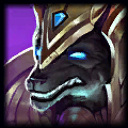
Mayhem vs Normal ARAM: Nocturne
Nocturne changes more than most melee divers when you move from normal ARAM into Mayhem. In standard ARAM, he often feels like a timing-based assassin: wait for enemy cooldowns, use Paranoia to cut vision and reach a carry, then hope the fight is already messy enough that he can finish the kill. In Mayhem, the same plan is still there, but the window opens and closes much faster. Augments, higher chaos, and more explosive engage patterns mean Nocturne is less of a patient backline hunter and more of a repeat-pressure diver who must decide instantly whether he is committing, peeling back, or using fear threat to split the fight.
Role: from one-shot diver to tempo breaker
In normal ARAM, Nocturne is usually judged by whether his ultimate kills someone. If he ults in and dies without a kill, the fight often feels lost. In Mayhem, that is too narrow. A good Nocturne can win fights by forcing panic movement, breaking enemy spacing, denying a poke champion the angle they wanted, or dragging defensive tools out before the real engage lands. If your team has another hard engage champion, your job is often to go second. Let the first engage pull shields, dashes, and crowd control, then use Paranoia when the enemy backline has already stepped away from their frontline.
If your team has no engage, Nocturne becomes the starter, but that is riskier in Mayhem than in normal ARAM. Enemy carries may have augment-backed escape, burst retaliation, or defensive triggers that make a blind dive fail. When you must start, aim for isolated targets near the side of the lane, not the deepest champion standing behind every peel tool. Your best engage is the one that cuts the enemy team into two groups, not the one that places you in the middle of five champions.
Skill use: spell shield and fear matter more than the highlight ultimate
Normal ARAM Nocturne players often tunnel on Paranoia and treat the rest of the kit as automatic. That habit gets punished in Mayhem. Your spell shield is one of your biggest skill tests because Mayhem fights are packed with high-impact crowd control and burst setups. Do not press it just because you are flying in. Hold it for the first real stopping tool if you can read it. If the enemy has a single obvious peel spell, bait it with movement before committing, then shield as you cross the danger zone.
Fear is also more tactical in Mayhem. In normal ARAM, you can sometimes attach fear to the nearest carry and stat-check them. In Mayhem, targets may reposition harder, allies may knock them away, or the enemy may turn with enough damage to punish your tether. Use fear on the champion whose movement matters most in that second. Sometimes that is the carry you are killing. Sometimes it is the tank trying to peel you off your real target. If you cannot finish a kill, fear can still buy enough time for your team to walk forward safely.
Your trail is not just damage setup. It is your recovery path. In Mayhem, if you dive and instantly realize the target is too protected, retreat along your trail instead of forcing a doomed chase. Normal ARAM gives you more time to correct a bad engage. Mayhem usually does not.
Skill order: less autopilot, more matchup-aware
Normal ARAM often pushes Nocturne toward a simple damage-first mindset. In Mayhem, the better order depends on what is stopping you from playing. If you are reaching targets and winning trades, investing into your main damage and chase pattern makes sense. If every engage is decided by whether you block one crowd control spell, value the spell shield more in your play pattern even when the exact leveling choice still depends on your build and lobby. If your team lacks lockdown and enemies keep slipping away, prioritize using fear cleanly rather than chasing raw damage numbers.
The main difference is mental, not just mechanical. In normal ARAM, you can follow a familiar order and look for a level-six fight. In Mayhem, ask what the enemy comp is forcing you to solve: poke access, peel, burst retaliation, or mobility. Your skill usage should answer that problem every fight.
Tempo: Mayhem punishes waiting too long
In normal ARAM, Nocturne can sit back, farm safely when possible, and wait for a clean ultimate angle. Mayhem rewards faster decisions. If the enemy burns major mobility or steps too far forward after using poke, you need to move immediately. Waiting for the perfect five-second setup often means the window disappears, an augment effect changes the trade, or your own frontline gets chunked before you act.
That does not mean diving on cooldown. Bad Nocturne players confuse tempo with impatience. The right Mayhem tempo is to hover aggressively when Paranoia is available, threaten side angles, and punish the first enemy who spends their escape or defensive crowd control. If nothing is available and your team is behind, slow down. Stand close enough to threaten but far enough that you are not eating poke for free. Your health bar is part of your engage resource.
Augment impact: build around access, survival, or finish power
Augments change Nocturne’s job more than normal ARAM runes ever do. In standard ARAM, item and rune choices usually define whether you are burst assassin, bruiser diver, or a more durable disruptor. In Mayhem, augments can push you harder into one of those lanes. If your augments improve engage access or repeated sticking power, play wider and look for backline angles. If they reward durability or extended combat, you can dive closer to your frontline and fight through the first counterattack. If they increase burst or execute pressure, hold your ultimate until a valuable target is actually killable instead of starting every fight at full health.
The trap is picking aggressive augments and still playing like normal ARAM Nocturne, where you wait behind minions until ultimate is ready. If your augment setup gives you tempo, use it to pressure vision, spacing, and cooldowns. If your augment setup is defensive, do not waste it by diving alone before your team can follow. Mayhem gives you more power, but it also gives the enemy more ways to punish a predictable line.
Snowball use: not just a delivery tool
In normal ARAM, Snowball often acts as Nocturne’s backup engage when ultimate is down. In Mayhem, Snowball is more flexible and more dangerous. Landing it does not mean you must take it. Use the mark to threaten, make the enemy step back, or force a carry to reveal how scared they are. If they panic-dash after being marked, you may have created the opening your ultimate needed without taking the Snowball at all.
When you do take Snowball, have your spell shield plan ready. Flying into Mayhem damage without shield timing is one of the fastest ways to disappear. Snowball is best when it lands on a target near the edge of the fight, a champion who has just used their escape, or a frontline target that lets you bridge into the backline after your team follows. It is worst when it drags you into five champions before your allies can move.
Item and rune logic: normal ARAM habits are only a starting point
Normal ARAM Nocturne can often choose between burst and bruiser based on team needs. That still applies in Mayhem, but the decision has to include augment direction and enemy punishment. If your team already has damage and needs someone to survive the first engage, durability and sustained fighting value go up. If the enemy backline is fragile but protected by poke champions, burst and access tools become more attractive. If fights are lasting long and you are repeatedly getting one rotation out before dying, you probably need more staying power rather than more damage.
Rune logic follows the same idea. Do not copy a normal ARAM page blindly if the lobby is telling you a different story. If you cannot reach targets, damage runes will not fix the problem. If you reach them but cannot survive the counterhit, defensive value matters. If your team has strong setup and you only need to finish kills, lean into that job. Mayhem rewards matching your build to the actual fight pattern, not to the champion fantasy.
Teamfight spacing: wider angles, shorter commits
In normal ARAM, Nocturne often stands behind his frontline until Paranoia is ready. In Mayhem, that position can make you too slow. You want to play slightly off-center when it is safe, especially if the enemy backline is hugging one side of the bridge. A side angle makes Paranoia more threatening because the target has fewer clean retreat paths and their frontline has to turn around instead of walking straight into you.
Do not stand so wide that you are cut off from your team. Mayhem punishes isolated melee champions hard. The sweet spot is close enough that your allies can follow your darkness pressure, but far enough that the enemy carry cannot comfortably hit both you and your frontline with the same spell pattern. If your team is retreating, drop the flank and regroup. A flank with no follow-up is just a delayed death.
ARAM habits that become wrong in Mayhem
- Ulting the first visible carry is wrong when their peel is untouched. Wait for a dash, shield, stun, or displacement to be used, then commit while the counterplay is thinner.
- Taking every Snowball is wrong when Mayhem burst is stacked in the landing zone. Use the mark as pressure unless your team can move with you or the target is already separated.
- Building only for damage is wrong when you are the only engage. If you die before fear finishes or before your team arrives, your damage never matters.
- Sitting passively until ultimate is wrong when your augment setup gives pressure outside of Paranoia. Threaten side space, punish cooldowns, and make the enemy respect your engage before the fight starts.
- Chasing deep after a failed fear is wrong. Reset along your movement path, keep your health for the next window, and let your team re-form instead of donating a staggered death.
- Using spell shield on entry every time is wrong against patient enemies. Better players will hold the real crowd control until after the shield drops, so vary your timing and bait first when possible.
The short version: normal ARAM Nocturne is often about finding one clean ultimate. Mayhem Nocturne is about controlling fight tempo before, during, and after that ultimate. Use darkness to break spacing, use fear to decide who cannot move, use spell shield with intent, and let augments shape how brave you can be. If you play him like a normal ARAM coin-flip assassin, Mayhem will punish you. If you play him like a fast tempo diver with a reset plan, he becomes much harder to answer.