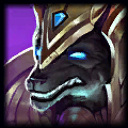
Nocturne in ARAM: Mayhem is at his best when he turns a messy screen into one clean kill, then uses the panic to keep moving forward. Most bad Nocturne games come from forcing the first dash you see, wasting the spell shield, or chasing so deep that your team cannot convert. Use this checklist to catch the common traps before they cost the fight.
Mechanical Mistakes
- Wrong action: Casting your engage before marking a path with your damage trail or before checking where you will land.
Direct consequence: You arrive with weaker follow-up, get kited immediately, and lose the short window where Nocturne is supposed to look scary.
Correct action: Set up your approach so your first target is already pressured, then commit when your movement path lets you stay on them instead of stopping in the middle of their team.
Recovery: If you already landed badly, do not keep walking forward out of pride. Hit the closest safe target, use your fear tether defensively if someone dives you, and retreat toward your team’s damage zone. - Wrong action: Using the spell shield on random poke before the real crowd control or burst spell is coming.
Direct consequence: The enemy holds their important spell, waits out your shield, then locks you down after you dash in.
Correct action: Save the shield for the spell that actually stops your kill: a stun, knockup, root, suppression-style lockdown, or the key burst that would force you out.
Recovery: If the shield is gone too early, play one step back until it is usable again. Let a teammate start the trade, then enter after the enemy spends the control spell you can no longer block. - Wrong action: Starting your fear tether from max range and immediately chasing through minions, walls of enemy skillshots, or slows.
Direct consequence: The target breaks distance, the fear never matters, and you have spent one of your best dueling tools for no payoff.
Correct action: Attach the tether when you can physically stay with the target. Use movement, Snowball, allied slows, or your ultimate landing position to make the tether realistic.
Recovery: If the tether is breaking, stop tunneling. Turn onto the nearest enemy who stepped forward to peel, or back out and wait for your next engage angle instead of donating health. - Wrong action: Pressing ultimate only because the enemy backliner is visible.
Direct consequence: You dash into shields, exhaust-style damage reduction, peel, or a baited position where the backliner survives and you die alone.
Correct action: Use the darkness and dash when the target is already separated, low, crowd-controlled, or missing a defensive answer. The best ult is not always the longest one; it is the one your team can follow.
Recovery: If the ult target survives, swap goals fast. Force them away from the fight, block one important spell with shield if possible, and path back toward your frontline instead of chasing behind the enemy turret line. - Wrong action: Holding auto attacks while you wait for abilities to come back.
Direct consequence: Nocturne loses a lot of practical damage, and enemies get extra time to peel, heal, or dash away.
Correct action: Weave attacks whenever you are in range. After landing on a target, keep hitting while moving with them; do not stand still trying to “combo” like a pure caster.
Recovery: If you notice the target lived with low health, do not panic-flash deeper. Hit the next available enemy, help finish the frontline, and save your next commit for a cleaner health threshold. - Wrong action: Snowballing into the enemy team without checking your spell shield, fear, and team position.
Direct consequence: Snowball becomes a delivery service for the enemy. You arrive first, get layered with control, and your team is still too far away to punish.
Correct action: Treat Snowball as a second engage tool, not a reflex. Take it when your team is stepping up, your shield can answer the first control spell, and the landing target is not surrounded by five healthy champions.
Recovery: If you took a bad Snowball, immediately move sideways instead of straight back. Side movement can dodge follow-up skillshots and may let you rejoin your team without giving the enemy a straight chase line. - Wrong action: Chasing outside your damage trail or away from allied zones after the first target flashes or dashes.
Direct consequence: You lose speed, lose support, and turn a winning pick attempt into a long overchase.
Correct action: Recast your plan when the target escapes. If they used a major escape, that can already be a win; do not turn it into a death by following through every trap.
Recovery: If you are already too deep, stop chasing the original target and look for the safest route through brush, minions, or allied control. A living Nocturne with enemy summoners forced is better than a dead Nocturne with one extra auto attempted.
Decision Mistakes
- Wrong action: Picking every fight as if Nocturne is the main tank.
Direct consequence: You absorb the first wave of enemy cooldowns, die before your fear or sustained attacks matter, and leave your team without backline threat.
Correct action: Let true tanks, bruisers, or poke create the first reaction when your comp allows it. Nocturne is strongest when he enters after the enemy has already shown part of their hand.
Recovery: If you are forced to front line, play short trades. Step up to threaten, shield the key spell, then back out before the enemy can chain everything onto you. - Wrong action: Ulting the enemy carry while ignoring their peel support standing next to them.
Direct consequence: Your target survives through protection, you get controlled in place, and the enemy carry free-hits you during your escape attempt.
Correct action: Check the bodyguards first. Sometimes the correct target is the enchanter, control mage, or low-health frontliner who is making the carry safe.
Recovery: If you dove into peel, use your presence to pull those defenders away from the main fight. Even if you cannot kill the carry, dragging two enemies backward can let your team win the front. - Wrong action: Diving before your team has wave position.
Direct consequence: Enemy minions and turret pressure make the fight longer and uglier, while your teammates hesitate because they cannot walk up safely.
Correct action: Clear or pressure the wave first when possible. A pushed wave gives your team space to follow your darkness and makes enemy retreats more predictable.
Recovery: If you engaged into a bad wave, do not demand your team save you. Exit toward the side with fewer enemy skillshots, and ping or move back to reset the lane before the next attempt. - Wrong action: Building or augmenting only for damage when the enemy has heavy control and instant burst.
Direct consequence: You may reach the target, but you do not live long enough to finish the kill or reset the fight’s tempo.
Correct action: If the enemy can stop you on arrival, value survivability, anti-burst tools, or utility that lets you stay attached after the first dash. Damage is wasted when you are dead during your own engage.
Recovery: If your setup is too fragile, change your job. Flank later, punish low-health targets, and protect your own carries from divers instead of starting every fight. - Wrong action: Using ultimate darkness with no team intention behind it.
Direct consequence: Your team may not know whether to follow, disengage, or hold spells, and the enemy gets to wait out the confusion.
Correct action: Signal with movement before you press it. Walk to the side, threaten a specific target, or wait for allied poke to land so your team understands that the fight is starting now.
Recovery: If you used darkness and nobody followed, cancel the hero play mentally. Take the safest target or do not dash if the angle is gone. Saving your life is better than proving the button was pressed for a reason. - Wrong action: Forcing fights when key enemy defensive tools are clearly available.
Direct consequence: Your engage gets answered cleanly, and then Nocturne has fewer ways to affect the next few seconds than many ranged champions do.
Correct action: Track the obvious answers: stasis, shields, hard disengage, big knockbacks, and reliable point-and-click control. Go when one is down, the holder is out of position, or your team can chain enough pressure to overwhelm it.
Recovery: If you forced into a defensive tool, swap pressure instead of waiting beside an invulnerable or protected target. Hit the nearest vulnerable champion, then leave before the original target re-enters the fight. - Wrong action: Ignoring your own backline because you are obsessed with assassination.
Direct consequence: Enemy divers kill your damage dealers while you trade one-for-one at best, and the remaining fight becomes impossible to clean up.
Correct action: If the enemy has stronger dive than you, hold fear and shield to counter-engage. Nocturne can punish someone who jumps into your team, especially when they have already spent mobility to arrive.
Recovery: If your carry is already under attack, abandon the flank. Turn back, fear the diver, shield the next control spell, and help secure that kill before looking forward again. - Wrong action: Staying on the map at low health because ultimate is almost available or you want one more fight.
Direct consequence: You become a fake threat. The enemy can poke you out, force your shield defensively, and start the next fight knowing you cannot commit.
Correct action: Respect health as an engage resource. If you cannot survive the landing, you cannot use your kit properly, no matter how good the target looks.
Recovery: If you are stuck low, play as vision denial and threat only. Stand where the enemy must respect possible darkness, but do not dash until allied damage has made the fight safe enough to enter.
The clean Nocturne pattern is simple: prepare the lane, wait for a real opening, block the spell that matters, and stay close enough for fear and attacks to finish the job. If the first plan fails, do not autopilot deeper. Turn, peel, or reset. Nocturne wins Mayhem fights by making one enemy panic at the right time, not by being the first body in every brawl.