Mayhem vs Normal ARAM: Rumble
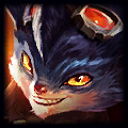
Rumble changes a lot in Mayhem because the mode rewards repeated, aggressive spell cycles instead of one clean Equalizer fight. In normal ARAM, he often plays like a poke-and-zone mage: soften the wave, threaten the choke, then drop R when the enemy clumps. In Mayhem, fights restart faster, engages come from stranger angles, and augments can push champions into damage, mobility, durability, or reset patterns that normal ARAM does not have. That means Rumble has to be played less like a stationary backline burner and more like a mid-range brawler who constantly checks whether he can step forward, overheat safely, and force enemies to move through bad ground.
Role and win condition
- Normal ARAM: Rumble is usually a zone-control AP damage dealer. He punishes grouped enemies, controls narrow lanes with Equalizer, and wins fights when the enemy team has to walk through his damage to reach your carries.
- Mayhem: Rumble is still a zone-control mage, but his job becomes more flexible. If your augments and items make you durable, you can front-lane and burn melee champions as they commit. If your setup is pure damage, you play behind your engage and save Equalizer for the moment enemies are forced to choose between retreating through it or fighting inside it.
- The biggest difference: normal ARAM lets Rumble wait for obvious clumps. Mayhem punishes waiting too long because fights break open quickly. If the enemy has mobility or reset-style augments, use your damage field to cut off their next move, not just to hit the most targets immediately.
Skill use: more checking, less autopilot
In normal ARAM, Rumble can often walk up, use Flamespitter to pressure the wave and frontline, then back off before he is punished. In Mayhem, that same habit can get you killed if an enemy augment gives them a stronger engage window or if Snowball starts a chain fight. You need to check the enemy threat first: who can reach you, who can ignore slows or spacing, and who is waiting for you to cross the midpoint?
- Flamespitter: in normal ARAM, it is often used to clear and poke. In Mayhem, save its best uptime for when someone is already committed. Walking forward just to tag one target is weak if it gives assassins or divers a free angle.
- Electro Harpoon: in normal ARAM, it helps poke and set up Equalizer. In Mayhem, it is also your safety check. Use it before stepping into range so you know whether the target can be slowed, pressured, or forced to dodge. If you miss both shots and still walk up, you are asking to be punished.
- Scrap Shield: in normal ARAM, players often treat it as a small speed and shield tool. In Mayhem, use it deliberately to cross dangerous space, kite backward after overheating, or survive the first part of a dive. Do not spend it casually if the enemy team has Snowball follow-up ready.
- Equalizer: normal ARAM rewards big straight-line ultimates across the bridge. Mayhem rewards better timing. Drop it after enemies spend mobility, after your engage lands, or across the retreat path of a high-value target. A smaller ultimate that traps two committed carries is better than a wide one that everyone dashes out of.
Skill order and heat management
Normal ARAM Rumble can get away with simple skill priority and basic heat rhythm because fights are more predictable. In Mayhem, heat management matters more because skirmishes happen in waves. You want to enter fights already close to your stronger spell zone, but not so reckless that you silence yourself before you need shield, harpoon, or ultimate setup. If you overheat at the wrong time, the enemy gets a clear punish window: they step out of your short-range damage, then re-engage while you cannot cast.
Your skill order should still follow your intended job. If you are the main damage source and can safely reach enemies, prioritize the spell that lets you burn through grouped targets. If your team needs setup and peel, value the tools that help you slow, shield, and control space. The Mayhem difference is that augments can shift this decision. A durability or movement-focused setup lets you play closer and get more value from sustained burning. A long-range or burst-focused setup makes harpoon accuracy and ultimate placement more important than standing in the middle of the fight.
Tempo: Mayhem is less patient
- Normal ARAM tempo: poke, clear, wait for health bars to drop, then commit when someone is trapped or low.
- Mayhem tempo: test constantly, punish cooldowns fast, and expect fights to continue after the first engage. If the enemy uses mobility to dodge Equalizer, your next job is not to chase blindly. Reset your heat, hold the lane space, and punish their second entry.
- Practical adjustment: do not spend all your tools just to win the first five seconds. Mayhem fights often have a second wave when Snowballs land, augments trigger, or bruisers re-enter. Keep one defensive action available unless your team has already secured the collapse.
Augment impact
Augments make Rumble less predictable than in normal ARAM. Damage augments push him toward hard zoning: you want enemy champions trapped in your burn zones, slowed by your harpoons, or forced to fight inside Equalizer. Durability augments let him stand closer to the frontline and punish melee champions who normally wait for him to misposition. Movement or utility augments change his spacing most; if you can enter and exit more reliably, you can use heat more aggressively without becoming a free target.
The trap is building your playstyle around an augment fantasy instead of the actual fight. If your augment helps damage but the enemy outranges you, you still need patience and flank timing. If your augment helps durability but the enemy has heavy crowd control, you still cannot walk in first with no backup. Mayhem makes Rumble stronger when the augment supports the situation, not when he ignores the matchup.
Snowball use
In normal ARAM, many Rumble players either skip aggressive Snowball use or only take it when a clear low-health target appears. In Mayhem, Snowball is more important because it creates instant access to the range where Rumble actually hurts. That does not mean you always recast. A good Snowball mark can force the enemy to spread, waste mobility, or move into your Equalizer line even if you never take it.
- Take the Snowball when the target is already controlled, your team can follow, and you have heat ready for immediate damage.
- Do not take it when the enemy backline still has peel, your shield is down, or you would land beyond your team’s threat range.
- Best use case: mark a frontliner or side target, wait for enemies to react, then cast Equalizer across their escape path before or during the recast. The goal is not just arrival; it is forcing bad movement.
- Recovery plan: if you Snowball in and the fight turns, overheat only if you can finish the target or survive the trade. Otherwise use shield movement and harpoons to retreat toward your team instead of chasing one more tick of damage.
Item and rune logic
Normal ARAM Rumble itemization often leans into straightforward AP damage because the map naturally funnels enemies into him. Mayhem asks a sharper question: can you actually stand close enough to apply damage? If yes, damage-heavy items make sense. If no, you need enough survivability, movement, or utility to get your spells off before being deleted. A Rumble who buys only damage but dies before Equalizer matters is not a carry; he is a short-range poke champion with no exit.
Rune logic follows the same rule. In normal ARAM, generic damage or poke choices can work because fights are slower and more linear. In Mayhem, choose runes that match your access pattern. If your team has reliable engage, amplify your follow-up damage. If your team lacks frontline, take options that help you survive the first contact. If enemies have long-range poke, value sustain or defensive consistency more than greedy scaling, because entering every fight at half health removes your threat before Rumble even starts playing.
Teamfight spacing
- Normal ARAM spacing: Rumble can stand near the front edge of his team and threaten anyone walking into the bridge choke.
- Mayhem spacing: stand one step behind the champion who starts fights unless you are specifically built to absorb pressure. Let someone else draw the first dash or crowd control, then move in while the enemy is stuck choosing between your team and your burn zone.
- Against divers: hold your ground near your carries instead of chasing. Equalizer across your own backline’s escape path can be better than throwing it forward, because it makes assassins fight through damage after they commit.
- Against poke teams: use side angles and Snowball pressure. Walking straight down the lane with Flamespitter on is predictable, and Mayhem poke setups can punish that before you reach useful range.
- Against tanks: do not waste everything on the first tank who shows. Burn them when they commit, but aim Equalizer to split their backline from their frontline. Rumble wins when the enemy team cannot follow their own engage cleanly.
ARAM habits that become wrong in Mayhem
- Waiting only for a five-man Equalizer is too slow. In Mayhem, a two-target ultimate that blocks retreat or protects your carry can decide the fight before a perfect clump ever appears.
- Using Flamespitter on the wave for free is not always free. If the enemy has engage ready, spending heat and stepping up gives them the exact window they want.
- Taking every Snowball is a throw. Rumble loves access, but he hates landing alone with no shield timing, no heat plan, and no team follow-up.
- Building pure damage every game is greedy. If augments or enemy comps make the fight chaotic, surviving long enough to cast a second rotation is often worth more than a slightly harder first burn.
- Playing only center lane is predictable. Mayhem rewards angles. Even a small side step can turn Equalizer from simple poke into a wall that cuts off the enemy’s escape.
The short version: normal ARAM Rumble wins by controlling the bridge and punishing clumps. Mayhem Rumble wins by reading the next engage before it happens, using augments and Snowball to control access, and placing Equalizer where enemies are forced to move. Be aggressive, but not automatic. The best Rumble in Mayhem is the one who makes every enemy commit through fire and still has a plan when they try to turn.