Practical Match Tips
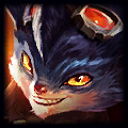
Rumble wins fights by making the lane too expensive to stand in. Do not play him like a pure burst mage. Your best pattern is to hold the front edge of the wave, build Heat before contact, then force enemies to choose between walking through Flamespitter damage or giving up space. If you start a fight from cold, your first seconds are weak. If you start overheated at the wrong time, you lose the ability to cast when the enemy finally commits. Keep your Heat high before the clash, but leave enough room to use the spell you actually need.
Engage and first contact
- Start fights when the enemy is already funneled. Rumble is much scarier when opponents are stacked behind minions, stuck near a turret, or walking through the narrow middle lane after clearing a wave. Drop The Equalizer across their escape path, not directly on top of the first target unless they are already crowd controlled. A diagonal line that cuts the lane usually forces more movement mistakes than a straight line down the center.
- Use Flamespitter as a commitment tool, not a poke tool into full range. Step in when your team can threaten at the same time. If you walk up alone just to burn the frontliner, ranged champions will punish you during your retreat. The safer engage is shield forward, tag with Harpoon, then turn on Flamespitter when the enemy either backs into your team’s poke or steps forward into your zone.
- Do not throw Equalizer just because you see five champions. Wait for a reason: an ally lands crowd control, the enemy clumps to hit your turret, a carry uses mobility, or their frontline crosses too far. Rumble’s ultimate is a fight-shaping spell. If it only makes them take one step back and reset, you gave up your strongest control over the lane.
Counter-engage
- When divers come in, aim behind them. If an assassin or bruiser Snowballs onto your backline, place Equalizer across their return path and the space their team needs to cross. Burning the diver is useful, but cutting off follow-up is often better. A lone diver dies. A diver with three teammates walking freely behind them can wipe your team.
- Save Scrap Shield for the moment you must reposition. Using it early for minor poke often leaves you exposed when the real engage starts. If the enemy has hooks, knockups, or long-range roots, hold your shield until they commit or miss. Your job is to survive the first contact, then punish the pile-up with sustained damage.
- Overheat can be a counter-engage finisher. If an enemy is already in your face and your spells are down, overheating is not always a mistake. Use the empowered basic attacks to finish a low target, especially when chasing would drag you into the enemy team. If the target is healthy or protected, back out instead of auto-attacking into a losing brawl.
Escape and recovery positioning
- Rumble escapes by making pursuit painful. If you are backing up, do not run in a straight line while saving everything. Shield away, fire Harpoons to slow the closest threat, and angle Flamespitter so the chaser has to stay inside damage to continue. If they stop chasing, you have won the exchange even without a kill.
- Never retreat through your own team while overheated unless the fight is already won. Being locked out of spells at the wrong time means you cannot shield, slow, or zone for your carries. If your Heat is about to cap, decide quickly: either commit to the short melee trade, or stop casting and drift back until you can fight again.
- Use brush as a reset point, not a hiding fantasy. If the enemy still has skillshots ready, entering brush buys a small targeting delay and forces them to guess. It does not make you safe. Step into brush, change angle, then come out with Harpoon or Flamespitter only when an ally is close enough to punish anyone face-checking.
Narrow-lane spacing
- Stand slightly off-center whenever possible. Rumble wants enemies lined up, but he should not line himself up for every poke spell in the lane. If you sit directly behind the minion wave, long-range mages and marksmen get free value. Play near the side wall, then cut inward when your shield is ready and your team can contest space.
- Respect minion waves as both cover and bait. When your wave is healthy, you can walk with it and threaten Flamespitter. When your wave is gone, you are much easier to hit and much easier to chase. If the enemy clears faster, do not stand forward pretending you still have cover. Give space, farm safely, and look for a counter-engage when they step up to hit turret.
- Use Equalizer to split the narrow lane into bad choices. A strong cast makes the enemy decide between walking backward through damage, moving sideways into your team, or standing still and losing health. Avoid placing it in a way that leaves a clean escape lane along one wall unless that wall is being covered by your teammates.
Target priority
- Burn the carry when they are trapped; burn the frontline when they are the only legal target. Rumble should not tunnel past a tank if doing so exposes him to five champions. If the enemy carry has no mobility or is forced into your ultimate, commit hard. If the carry is too far back, melt the frontline and deny them the confidence to keep walking forward.
- Harpoon is valuable for marking a chase target. Use it on champions who need movement to function: bruisers trying to exit, marksmen kiting backward, or mages repositioning after casting. Do not waste both charges into a shielded tank if the real fight will happen two steps behind them.
- Low-health enemies are not always the best target. If chasing a one-hit champion pulls you out of Flamespitter range on the rest of the fight, you may lose more damage than you gain. Let allied poke finish runners when possible. Rumble’s job is often to keep the main group burning so nobody can re-enter safely.
Snowball timing
- Snowball is best after the enemy has used key displacement or mobility. If you throw it first into a fresh team, you may arrive and instantly get knocked away, rooted, or burst. Look for a target that has already dashed forward, missed a hook, or stepped into your Equalizer path. Then take the Snowball only if your Heat and team position support the follow-up.
- Do not always recast Snowball. Landing it creates pressure by itself. If the target retreats into four teammates and your team is not moving, let it expire. Rumble has strong area damage, but he is not a guaranteed solo diver. Recasting into a prepared backline without Equalizer usually turns you into a donation.
- Use Snowball as a finishing bridge after zoning. A clean sequence is to drop Equalizer across the escape route, wait for the carry to panic sideways, then Snowball the isolated target once their path is limited. This is much safer than Snowballing first and hoping your ultimate fixes the angle afterward.
Augment trigger windows
- Trigger damage augments during committed trades, not while fishing. If your augment rewards repeated spell hits or sustained combat, start the window when Flamespitter can stay on targets and the enemy cannot simply walk away. A Harpoon from max range may activate something, but it can also waste the best part of the augment before the real fight begins.
- Use defensive or movement augments to cross the punish zone. Rumble often takes damage in the short walk from safe range to burn range. If your augment gives a shield, speed, damage reduction, or a similar survival window, pair it with Scrap Shield and step in when enemy poke is on cooldown. Do not spend it while already standing safely behind minions.
- If your augment triggers on ultimate impact or area damage, wait for clumps. Mayhem fights can explode quickly, but patience matters. A trigger on two trapped targets is usually better than a rushed trigger on one tank walking away. Look for chokepoints, turret defenses, minion congestion, and allies forcing enemies to bunch up.
Push, pull, and turret rhythm
- Push when your team can stand behind the wave. Flamespitter clears well, but walking into the wave alone invites poke and engage. If your frontline is present or enemy clear is weak, help shove and make them last-hit under pressure. If your team is low or dead, thin the wave from a safer angle and avoid overheating before the next enemy engage.
- Pull the lane when Equalizer is ready and the enemy wants turret damage. Let them step forward, then punish the narrow space around your structure. Enemies hitting turret often group in predictable lines. That is one of Rumble’s best ult windows, especially if your team has any crowd control to hold them in the burn zone.
- After winning a fight, check Heat before hitting structures. Overheating on the turret can add damage, but it can also leave you unable to respond if enemies respawn or a survivor engages. If the wave is small and your team is low, preserve enough control to disengage instead of greedily punching the turret.
Dive timing and behind-state damage control
- Dive only after the escape path is cut. Rumble’s best dives start with Equalizer behind the target or across the route to safety. If you dive first and ult later, the target may flash, dash, or get peeled before your damage matters. Let your tank or crowd control start when possible, then walk in with shield and Flamespitter once the enemy is forced to choose between turret safety and your burning zone.
- When behind, stop trying to force hero ultimates. Use Equalizer to clear waves, deny dives, or split the enemy follow-up. A defensive ultimate that saves your turret and prevents a wipe is worth more than a desperate cast looking for a highlight. Your damage still matters if the enemy has to walk through it to finish objectives.
- Play shorter trades when your items or augments are weaker. Tag with Harpoon, shield out, and let allied poke work. Do not stand in burn range against stronger bruisers unless they are already slowed, isolated, or walking through your team’s damage. Rumble can recover by making every enemy push awkward, but he falls apart if he gives them clean all-in angles.
- Your losing-game goal is to make the lane narrow again. Clear just enough, retreat to your team, and fight around chokepoints instead of open forward space. If the enemy must group to hit turret, your kit becomes relevant even from behind. Be patient, save Heat for the engage, and punish the first champion who oversteps into your burn zone.