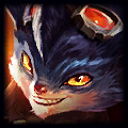
Mistake Guide: Rumble
Rumble is brutal when he enters a fight with heat prepared, angles his flamethrower across multiple targets, and drops Equalizer where enemies must either burn or split. He also feels useless when he overheats at the wrong time, wastes his ultimate as a panic button, or walks into range before his team can follow. Use this checklist to catch the mistakes that usually turn a strong Rumble game into a messy one.
Mechanical Mistakes
- Wrong action: Spamming abilities at the wave until you overheat before a fight starts. Direct consequence: You enter the real trade locked out of casting, so you cannot shield, harpoon, or reposition your damage pattern when the enemy commits. Correct action: Manage heat before contact. Stay in your empowered heat zone when you are posturing, but leave enough room to cast the ability you need next. Recovery: If you overheat too early, stop stepping forward. Use the basic attacks only if enemies are already in your face, then back behind your frontline until your casts return.
- Wrong action: Turning Flamespitter on while facing only the closest tank, even when enemy carries are standing one step behind them. Direct consequence: You spend your main damage window on the hardest target while the backline keeps casting freely. Correct action: Angle sideways. Hit the frontliner if you must, but position so the cone also threatens the champion behind them. Recovery: If you started on the wrong target, do not chase through the tank. Reset your angle, use Harpoon to slow or check movement, then burn the next target that walks into the lane.
- Wrong action: Dropping Equalizer directly on top of a target that is already walking away from you. Direct consequence: They leave the danger zone quickly, and your best fight tool becomes a small poke spell instead of a zone that controls the brawl. Correct action: Cast it across the path they want to take, not only where they are standing. Cut the lane, the retreat line, or the choke where their team must clump. Recovery: If the ultimate lands poorly, do not force a full engage just to justify it. Use the edge of the zone to deny space, then wait for the next enemy mistake.
- Wrong action: Casting Equalizer in the same direction as your team’s disengage path. Direct consequence: You zone your own team away from follow-up while the enemy simply walks to the clean side. Correct action: Place it so enemies are pushed toward your team’s damage or away from your carries. Think of it as a wall first and damage second. Recovery: If the line splits your team awkwardly, stop chasing. Peel the closest threat with Harpoon and shield movement instead of diving through your own bad zone.
- Wrong action: Using Scrap Shield only after taking heavy damage. Direct consequence: You lose the movement value that helps you enter, dodge, or exit before the enemy lands the important spell. Correct action: Use the shield before the dangerous moment, especially when crossing open space or after Snowball connects. Recovery: If you shield late and are already low, turn defensive immediately. Kite back with Harpoon, keep Flamespitter pointed at pursuers, and do not re-enter until your team creates cover.
- Wrong action: Throwing Harpoon randomly into minions or the first visible champion with no plan. Direct consequence: You lose your easiest way to punish a dashless carry, slow a diver, or confirm that an enemy is committed to a bad path. Correct action: Hold Harpoon when a fight is about to start. Use it on the champion your team can actually hit, or on the enemy trying to escape your Flamespitter and Equalizer. Recovery: If both charges are gone before the fight, play shorter. Do not walk into their range expecting control you no longer have.
- Wrong action: Taking Snowball in and instantly overheating with the wrong spell order. Direct consequence: You arrive deep, deal less controlled damage than expected, and cannot shield or slow while the enemy turns on you. Correct action: Decide your landing sequence before recasting Snowball. If you need a shield to survive, save heat for it. If you need burst pressure, make sure your damage starts as soon as you arrive. Recovery: If you land badly, do not keep walking forward. Drop Equalizer defensively if it cuts their chase, then kite back through your team.
- Wrong action: Standing still to “finish” a burn pattern while skillshots are already aimed at you. Direct consequence: You trade a little extra damage for a stun, knock-up, or burst combo that removes you from the fight. Correct action: Stutter-step while burning. Rumble’s damage is strongest when he stays close enough to threaten but not so still that every spell is guaranteed. Recovery: If you get caught, use your next movement window to leave at an angle, not straight backward through the same skillshot lane.
Decision Mistakes
- Wrong action: Treating Rumble like a pure poke champion and staying max range all game. Direct consequence: Your team loses the short-range pressure that makes enemies respect the lane, and your ultimate becomes the only meaningful threat. Correct action: Poke when it is free, but look for controlled forward steps behind minions, shields, or allied crowd control. Recovery: If you have been too passive, start by contesting space after enemy key spells miss. Do not suddenly sprint in alone; build pressure one wave at a time.
- Wrong action: Diving before your frontline or engage support is ready. Direct consequence: You become the first target, burn your defensive tools early, and your team arrives after your damage window is already gone. Correct action: Let allies start if they have reliable engage. Rumble is excellent at punishing the enemy after they are forced to stand in a bad area. Recovery: If you went first and lived, stop re-engaging immediately. Ping or posture for a reset, then wait for your team’s next crowd control before spending Equalizer.
- Wrong action: Saving Equalizer forever for the “perfect” five-man ultimate. Direct consequence: You pass up real kills, lose wave control, and let enemies walk through narrow spaces for free. Correct action: Use it when it wins the next action: cutting off two carries, stopping a hard engage, securing a trapped target, or forcing enemies away from a low-health ally. Recovery: If you held it too long and your team lost health, switch to defensive zoning. A good retreat ultimate can still save the fight.
- Wrong action: Using Equalizer only for damage when the enemy comp has strong engage. Direct consequence: Their divers reach your backline anyway, and your carries die while enemies simply leave the burn zone afterward. Correct action: Against dive, place the ultimate between their frontline and backline, or across the path their divers need to keep chasing. Recovery: If divers are already on your carry, turn around. Burn and slow the diver first instead of chasing the enemy marksman you cannot reach.
- Wrong action: Picking augments or items that reward long-range play when your team needs you to brawl. Direct consequence: You scale into the wrong job: lots of numbers in safe moments, not enough presence when the fight is decided in close range. Correct action: Match your setup to the game. If your team lacks a front-to-back threat, favor tools that help you survive entry and keep burning. If your team already has engage, lean harder into damage follow-up. Recovery: If your choices feel mismatched, change your play pattern. A fragile setup should flank less and punish from second wave; a sturdier setup should stand closer to contested space.
- Wrong action: Forcing fights into heavy disengage without baiting anything first. Direct consequence: You spend Snowball, shield, or ultimate into a knockback, silence, slow field, or long-range control spell, then have no second entry. Correct action: Threaten the engage, wait for the enemy to answer, then commit after their best stop tool is down or aimed elsewhere. Recovery: If you get denied, do not chase the same angle. Walk back, clear the wave, and attack from the next minion crash or side opening.
- Wrong action: Ignoring minion waves because Rumble wants champion damage. Direct consequence: Your team gets pushed under pressure, loses room to dodge, and your Equalizer angles become predictable from your own turret side. Correct action: Clear waves when your team needs space. A pushed lane gives you better ultimate lines and safer forward heat management. Recovery: If the wave is already against you, stop fishing for a hero engage. Clear first, then look for a fight when enemies step up to the next wave.
- Wrong action: Chasing low-health targets past the burned zone and away from your team. Direct consequence: You leave the area where Rumble is strongest and hand the enemy an easy collapse once your movement and heat are spent. Correct action: Let the zone do its job. If the target escapes with low health, turn back and punish the enemies who stayed trapped or split. Recovery: If you already chased too far, do not take the long route back through the enemy team. Cut sideways toward health relic space, allied crowd control, or the nearest safe minion line.
The clean Rumble rule is simple: prepare heat before the fight, spend Equalizer to control movement, and only enter when your team can use the chaos you create. If a mistake happens, do not double down on it. Reset your angle, protect your next cast, and make the enemy walk through your damage instead of chasing them into theirs.