Early Game: Levels 1-6
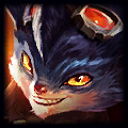
Position: Play just behind your front line, not in the true back line and not as the first champion seen. Rumble is strongest when enemies have to walk through his danger zone, so stand near the side of the wave or next to terrain where your flames can cover the minions and the nearest target at the same time. If your team has no tank, hover beside your best engage champion and be ready to follow, but do not start fights by walking straight down the middle.
Trading and poke rhythm: Use short heat-building trades. Tap enemies with Electro Harpoon when they step up for minions, then move forward only if your team can also hit them. Flamespitter is best when the enemy is already slowed, trapped in the wave, or forced to last-hit under pressure. Do not burn your whole health bar for one early trade. Your goal before level 6 is to make the enemy line uncomfortable, not to force a full fight every wave.
Snowball use: Early Snowball is mostly a follow-up tool. Throw it at a target already slowed, crowd controlled, or isolated near your team. If you land it on a healthy tank with four enemies standing behind them, do not take it. If you land it on a low carry after your team has poke advantage, take it, activate Scrap Shield as you go in, flame across their escape path, then either finish or back out into your team. Missing Snowball is fine; taking a bad one is how Rumble loses control of the lane.
Augment use: Pick augments that help you survive long enough to keep burning the fight or that make your repeated spell casts harder to ignore. Early defensive, movement, shielding, or sustain-style choices are valuable if the enemy has heavy poke or multiple long-range champions. If your team already has engage and protection, lean into damage or ability uptime. Do not choose a greedy augment just because it looks strong if you are already being outranged and cannot walk up.
Push or stall choice: Push when your team has stronger early wave control or when the enemy has short range and must stand in your flames to clear. Use the wave as cover, build heat safely, and punish anyone who walks past their minions. Stall when the enemy has hook threats, long-range poke, or early all-in pressure. In that case, clear from the side, save shield for retreating, and let the wave come closer to your side before trading.
Ahead plan: If your team wins the first few trades, keep the wave moving and make the enemy choose between losing minions or eating Flamespitter. Hold Snowball until a target is already chunked. If they hide behind turret, do not dive without level 6 unless your team has clear crowd control and numbers. Your advantage is pressure; keep it clean.
Behind plan: If you are low or your team is losing poke wars, stop walking up just to harpoon. Let the wave approach, shield backward after casting, and trade only when the enemy overextends into your minions or misses a key engage spell. Save health for level 6, because Equalizer can turn a bad lane state into a winning fight if the enemy stacks in the narrow bridge.
Next move: Your early goal is to reach level 6 with enough health to fight. Before the next wave crashes, check who on your team can start a fight and who on the enemy team has been stepping too far forward. That player becomes your first Equalizer target once you unlock it.
Mid Game: Levels 7-11
Position: This is Rumble’s best stage when he has room to place Equalizer across the fight. Stand slightly off-center, close enough to threaten the enemy back line but far enough that you are not the first target hit by every stun. The best position is often at an angle, where your ultimate can cut the bridge diagonally and force carries to either walk through it or split away from their front line.
Trading and poke rhythm: Poke with Harpoon before committing. If it hits a carry or a bruiser already under pressure, step in with Flamespitter and make them give ground. If it misses, do not chase the missed cast. Back up, rebuild your spacing, and wait for the next minion wave or allied crowd control. Rumble wins mid-game fights by layering damage while enemies are slowed, trapped, or funneled, not by randomly overheating in front of five champions.
Snowball use: Snowball becomes much more dangerous once Equalizer is available. A good pattern is to land Snowball on a back-line or side target, drop Equalizer across their retreat path or through their team, then take the dash only if your shield, heat, and allies are ready to follow. If the enemy has instant disengage or hard crowd control waiting, use Snowball as a threat instead of an entry. Forcing them to back up can be enough to win space for your team.
Augment use: Mid-game augment decisions should answer the fight pattern you are seeing. If enemies are diving you, prioritize tools that help you kite, shield, resist burst, or reposition after Snowball. If enemies are grouping tightly and your team can start fights, choose damage, burn-enhancing, or ability-focused augments that reward long fights. If your team lacks engage, mobility or initiation-style augments become more valuable because they let you place Equalizer aggressively without instantly dying.
Push or stall choice: Push when Equalizer is ready and your team has enough health to threaten a turret fight. Clear the wave fast, walk up with your front line, and make the enemy defend inside a narrow space where your ultimate covers their safest path. Stall when Equalizer is down, your carries are low, or the enemy has stronger engage available. During stall states, save Harpoon for champions who try to force past the wave, and use Flamespitter mainly to prevent a free crash.
Ahead plan: When ahead, do not waste Equalizer on one tank unless that kill opens the turret or removes the only engage threat. Look for lines that hit the back half of the enemy team or separate their carries from their front line. After a winning fight, push immediately. Rumble’s damage makes enemies bad at defending under pressure, but if you wait too long, they respawn and your window disappears.
Behind plan: When behind, Equalizer is your reset button. Do not throw it at max range just for poke unless it stops a hard push or forces enemies off a low-health ally. Hold it for choke points, dives, or enemy overcommitment. If an assassin or bruiser jumps in, place the zone between them and their team so they are stuck fighting without backup. Your job is to make the enemy’s winning engage expensive.
Next move: Track the next full fight around your ultimate and Snowball. If both are ready, tell your movement with confidence: angle to the side, fish for Harpoon, then punish the first enemy who loses formation. If Equalizer is not ready, play slower and protect the wave until it returns.
Late Game: Level 12+
Position: Late game is less forgiving. Stand where you can hit the fight without giving the enemy carries a clean first shot at you. Rumble is not a pure back-line mage, but he also cannot face-check into late-game burst. Use your front line, minion wave, and side angles. If the enemy has strong engage, stay close enough to your carries that your ultimate can punish anyone diving them.
Trading and poke rhythm: Every trade should have a purpose now. Harpoon to slow a target before your team pokes, to stop a diver, or to set up Equalizer. Flamespitter is still strong, but walking too far forward for a few ticks of damage can lose the game. If enemies are waiting with crowd control, let them blink first. Once they commit, shield, burn through their path, and force them to decide between retreating through your damage or staying in a bad fight.
Snowball use: Late Snowball is either a fight-winning entrance or a throw. Take it only when your team can follow, the target is valuable, and your landing spot is not surrounded by hard crowd control. If you hit a carry after they have used mobility, that is a real green light. If you hit a tank standing as bait, ignore it and keep your position. Snowball can also be used defensively to threaten a counter-engage; enemies will often step back when they know you can instantly close distance with Equalizer ready.
Augment use: Late augment value depends on whether you are the main damage source or the fight controller. If your team lacks damage, choose upgrades that help your spells keep pressure through long fights. If your carries are strong, take survivability, utility, or mobility options that let you zone enemies away from them. A dead Rumble provides no zone control, so defensive choices are not cowardly when the enemy has enough burst to delete you on entry.
Push or stall choice: Push only when you have vision of enemy positions through the wave, your team is grouped, and Equalizer can cover the counter-engage. Late-game death timers are punishing, so do not overpush alone to clear one extra wave. Stall when your team is waiting for respawns, key ultimates, or better health bars. Rumble stalls well by threatening the narrow bridge, but he must avoid being hooked or engaged before the fight starts.
Ahead plan: If ahead, force the enemy to defend in tight spaces. Walk with the wave, hold Equalizer until they group for clear or step forward to engage, then cut off their retreat. After a kill, convert fast: turret, inhibitor pressure, or ending push depending on the map state. Do not chase behind structures while the wave dies. Rumble wins late by controlling where enemies are allowed to stand.
Behind plan: If behind, stop looking for miracle dives. Your best comeback is a layered defense: clear the wave, punish the first enemy who steps past their front line, and save Equalizer for the moment they commit under your turret or into your carries. If your team gets engaged on, place your zone across the enemy follow-up path rather than directly on the first target every time. Cutting reinforcements can turn one doomed ally into a winning trade.
Next move: Before each late fight, decide your role in one sentence: engage with Snowball, counter-engage on your carries, or zone the enemy back line. Once the fight starts, commit to that role. Rumble is at his best when his team fights inside the space he creates, so make the bridge awkward for the enemy and easy for your team.